

Comic Storyboard Template: Plan Shots in Grayscale
Example preview
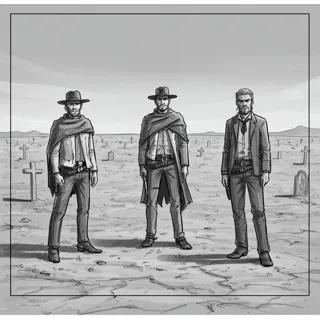
Use pencil-like grayscale panels to plan camera angles, staging, and scene rhythm before polishing a comic. Focus on readable actions rather than finished color.
For creators blocking a comic scene or pitching a sequence. The source combines pencil sketch lines, grayscale, and cinematic anime-storyboard cues; its value is shot planning.
When to use this template
- Blocking an original short-film scene as comic frames
- Planning entrances and eyelines in a dialogue scene
- Comparing wide shots and close-ups before final art
Build your first draft
List the shots
Write what the audience needs to see in each frame. Include shot size and the subject’s action, rather than only describing the overall mood.
Keep geography stable
Place the important doorway, prop, and characters consistently. Use a wide opening frame to establish positions before moving closer.
Annotate the draft
Review the sequence and add shot numbers or production notes in a separate layer. Replace unclear frames before refining shading or color.
Try a complete example
Station reunion shot plan
Grayscale pencil storyboard in five frames: wide shot of a quiet train platform; medium shot of a traveler holding a red-striped suitcase rendered in gray; close-up of a familiar hand waving; over-the-shoulder shot toward a waiting friend; two-shot of the reunion. Keep platform geometry and screen direction consistent. No text.
The example uses shot-size changes to guide attention while keeping one location. Production annotations can be added afterward without asking the image to generate legible notes.
Before you publish
- A cinematic-looking frame can still break continuity; check eyelines and left-right movement.
- Keep rough drafts simple so you can replace a shot without feeling committed to polished artwork.
Questions about this template
- Is this finished comic artwork?
- It is better suited to a planning pass. Pencil and grayscale cues help assess staging, but you should develop the final linework, color, and lettering separately if the project needs them.
- Can I plan dialogue scenes?
- Yes. Assign positions to the speakers, establish the room, and alternate wide and close shots deliberately. Avoid reversing positions without showing the camera transition.
- Does it create shot numbers automatically?
- The prompt does not guarantee usable production labels. Add shot numbers, duration, and camera notes yourself after reviewing the frames.