


If you’ve ever spent sleepless nights laboring over rough sketches, wrestling with stick figures, and erasing until your page was a smudged mess, you know storyboarding used to be a daunting part of filmmaking. Fast-forward to 2025: those days are officially behind us. Thanks to advances in artificial intelligence, you can now generate polished, cinematic storyboards for your entire film in just a matter of minutes — no drawing skills required.

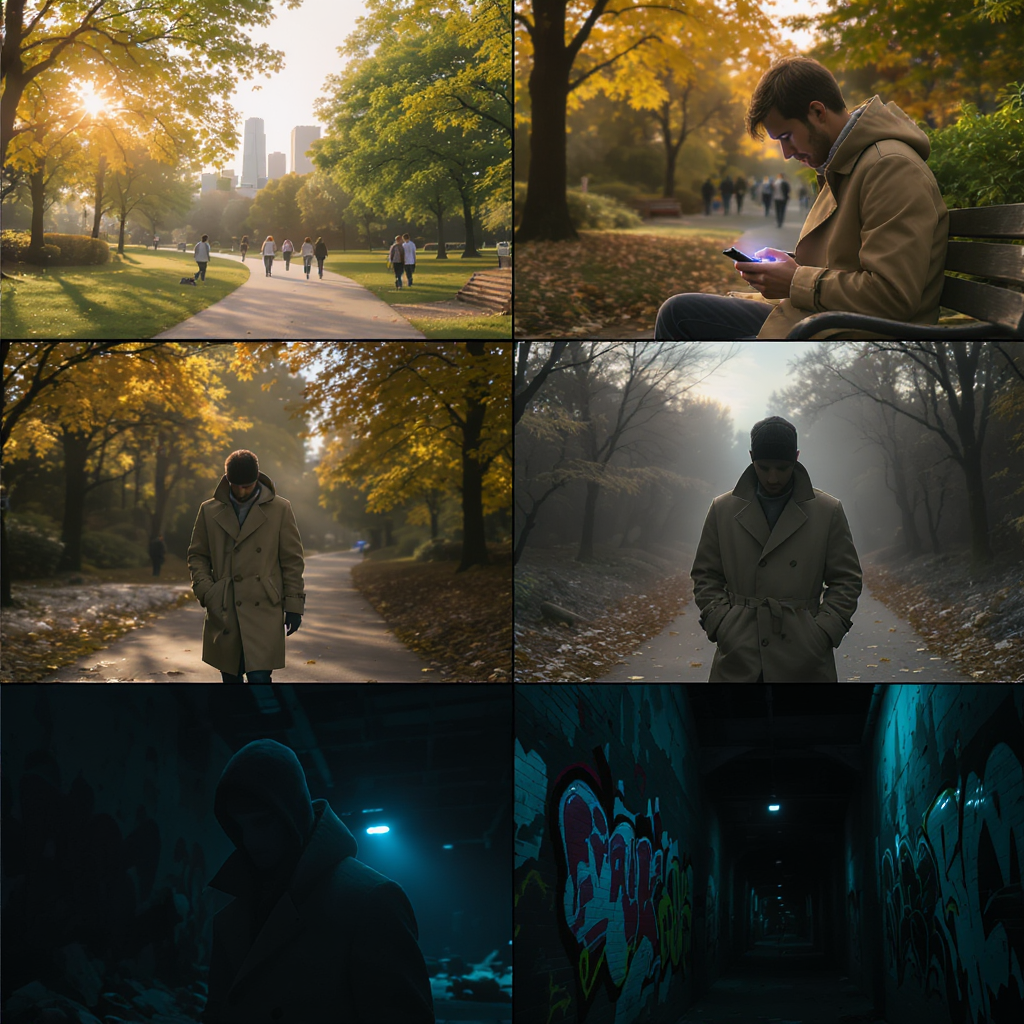
Storyboarding is the process of visually mapping out your film, scene by scene and shot by shot. Each frame in a storyboard serves as a blueprint for your production, capturing essential details like:
Storyboards help directors, cinematographers, production designers, and even actors to understand the vision before a single lens cap comes off. They’re not just sketches; they’re the backbone of pre-production planning, enabling teams to foresee challenges, refine creative choices, and communicate ideas clearly.
For example, imagine planning a suspenseful chase sequence. With storyboards, you can plot out every dynamic angle, anticipate lighting challenges, and ensure the pacing is tight — all before stepping onto set.

Let’s face it: most filmmakers aren’t professional artists, and hiring a storyboard artist for dozens of frames can be costly and time-consuming. Deadlines loom, budgets get tight, and creative momentum can stall.
AI tools like llamagen.ai provide a revolutionary alternative:
Whether you’re a seasoned director, an indie filmmaker, or a student working on your first short, AI storyboarding empowers you to visualize your ideas with professional clarity.

AI platforms like llamagen.ai have streamlined the entire process. Here’s how you can go from script to storyboard in record time:
Start by uploading your full screenplay, a short film script, or even a simple scene concept. The AI can read standard script formats or plain text, making it easy to get started whether you have a finished draft or a rough outline.
Pro Tip: If you’re working on commercials, music videos, or documentaries, you can input shot lists or scene descriptions just as easily.

The software can automatically parse your script and identify individual shots, or you can manually create shot descriptions for extra control.
Example: For a dialogue-heavy scene, the AI might suggest alternating close-ups and over-the-shoulder shots. You can edit, reorder, or add new shots as needed.
Best Practice: Review the AI’s shot breakdown and adjust for pacing, emotional beats, and key story moments.
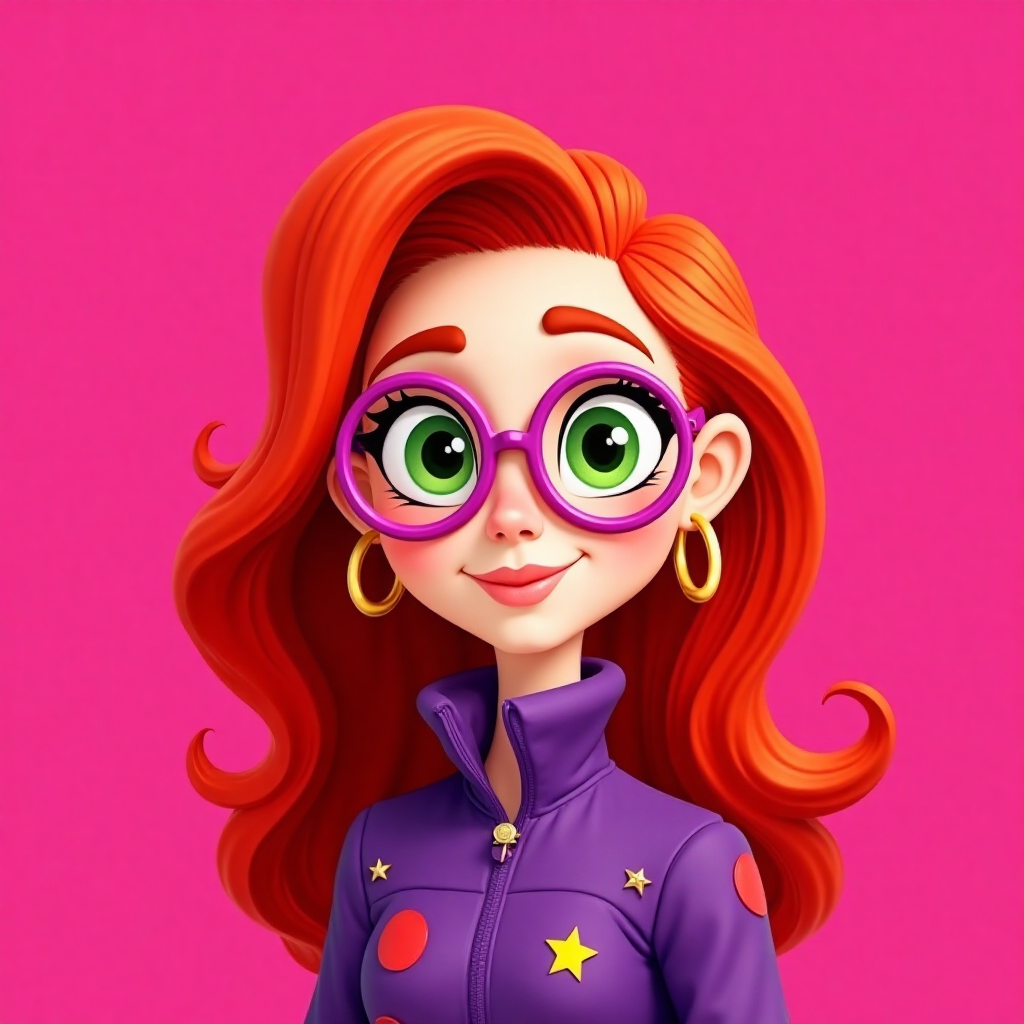
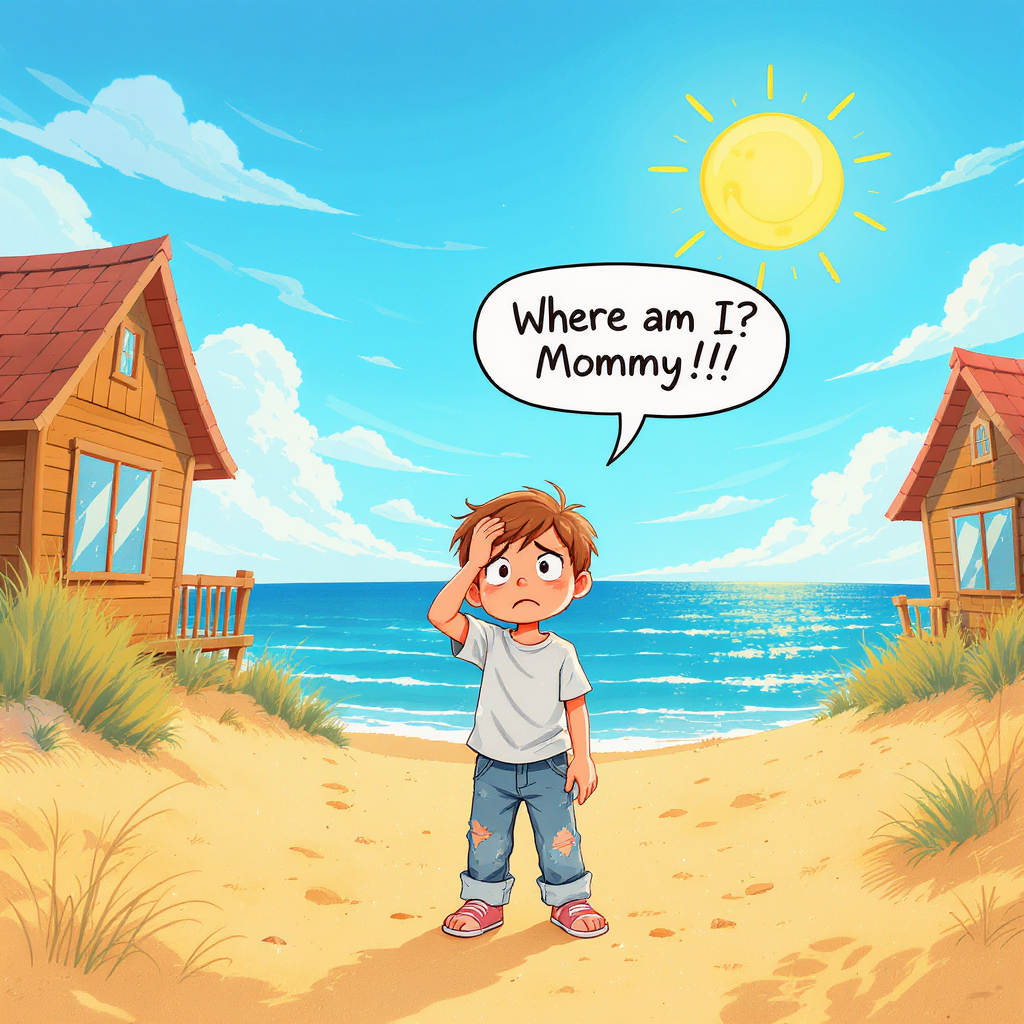
Select an art style that matches the mood and genre of your film. Options typically include:
Insight: Consistent art style helps maintain tone and clarity throughout your storyboard. For a gritty crime drama, noir styling with high contrast shadows may be ideal; for a whimsical animation, a bright cartoon style can set the right mood.

Provide specific prompts for each shot to guide the AI’s visual generation.
Example Prompt:
“Medium shot of a woman sitting in a cozy café, raindrops streaking the window behind her, lost in thought, warm ambient lighting.”
Actionable Tip: The more detail you include about location, lighting, mood, character action, and camera angle, the better the results. Don’t just say “a man in a room” — say “wide shot of a nervous man pacing in a cluttered detective’s office, city lights glowing outside.”
Upload reference images, cast photos, or provide detailed written descriptions for each character.
Example:
“Early 30s, Black woman, short curly hair, wearing a red trench coat, expressive eyes.”
Best Practice: Once you’re happy with a character’s look, save them as a template for consistent appearances across all scenes. This ensures continuity and makes future iterations faster.

With your scenes and characters set, let the AI generate your storyboard frames. You can:
Insight: Iteration is key — the beauty of AI is that you can rapidly explore different creative options. Don’t settle for your first draft; experiment until you find visuals that perfectly match your vision.
Transform your storyboard into an animatic for a dynamic preview. This feature adds real camera movement, transitions, and timing, allowing you to:
Use Case: Directors can use animatics to block complex action scenes, while editors can anticipate cutting points and transitions.


Storyboarding has evolved from a technical hurdle into a creative superpower. No longer limited by artistic skill or budget, filmmakers can now translate their cinematic ideas into vivid visuals with unprecedented speed and flexibility. All you need is your story, your imagination, and the right AI-powered tool.
Whether you’re prepping a blockbuster, crafting a short film, or planning branded content, AI storyboarding puts professional-quality visualization within reach. Embrace the technology, streamline your workflow, and bring your vision to life faster than ever before.

🎬 Ready to transform your filmmaking process? Start storyboarding with AI and unlock your creative potential today.
Pregled najnovijih izdanja značajki LlamaGen.Ai, poboljšanja proizvoda, ažuriranja dizajna i važnih ispravki bugova.