A Visual Guide to the Evolution of Comic Book Art Styles
Have you ever found yourself captivated by the explosive action scenes of superhero comics or moved by the nuanced emotions in a single manga panel? Comic book art is far more than decoration—it's an immersive language that shapes stories, defines characters, and guides our imaginations through new worlds. In this expanded and visual guide, we’ll journey through the history and development of comic art styles, exploring how genre, social change, and technology have continually reshaped the way comics look and feel. Whether you're a seasoned collector or new to graphic storytelling, discover how these evolving styles continue to inspire and empower artists and readers around the globe.
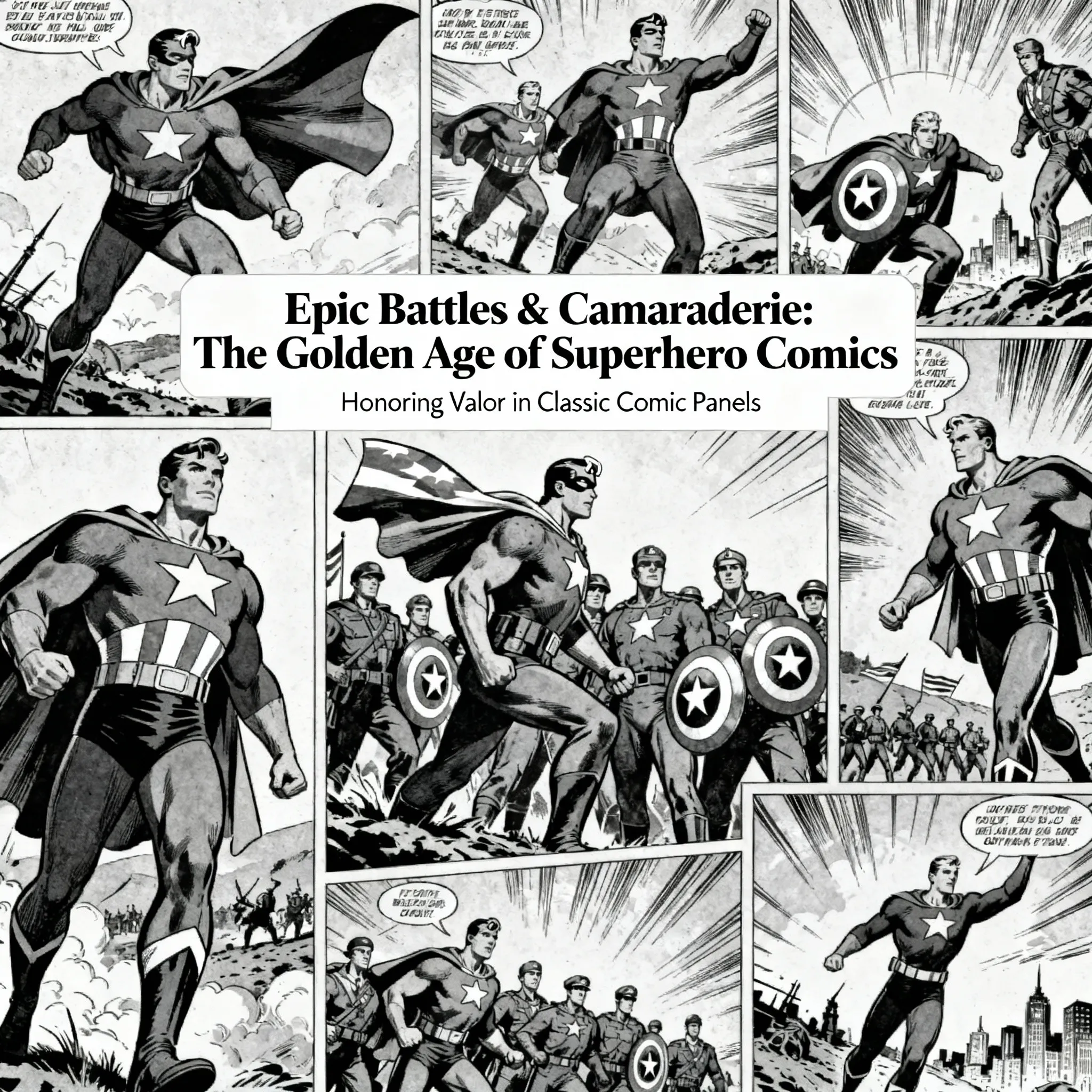
Early Influences & The Golden Age (1930s–1950s): The Birth of Iconic Visual Language
Foundations of Comic Art
In the formative years of comics, visual simplicity reigned. Artists such as Jack Kirby and Joe Shuster created bold, easily recognizable characters that echoed the optimism and hopes of the era. Their pioneering work—most notably the iconic look for Superman—established a basic visual grammar for superhero comics and passed down lasting conventions that still echo today.
Hallmarks of Golden Age Art
- Bold, Unmistakable Outlines: Thick, black lines enhanced readability and gave strength to heroes.
- Expressive, Exaggerated Features: Faces and poses were designed to convey clear, powerful emotions—joy, determination, resolve.
- Primary, Bright Color Palettes: Simple reds, blues, and yellows allowed images to pop off the page and attracted new readers.
- Focus on Heroism and Morality: Panels emphasized triumph, hopefulness, and clear moral divides.
Expanded Insights
- Visual Storytelling: Sequential art prioritized clear, easy-to-follow narrative flow for wide audiences, including children and adults.
- Industry Context: Economic constraints meant artists worked quickly, favoring efficiency over intricate detail but fostering creativity through stylization.
- Legacy Impact: Modern superhero costumes and character archetypes find roots in these pioneering designs.
Takeaway: Golden Age art taught us that simplicity and clarity can make stories universally relatable and visually compelling.
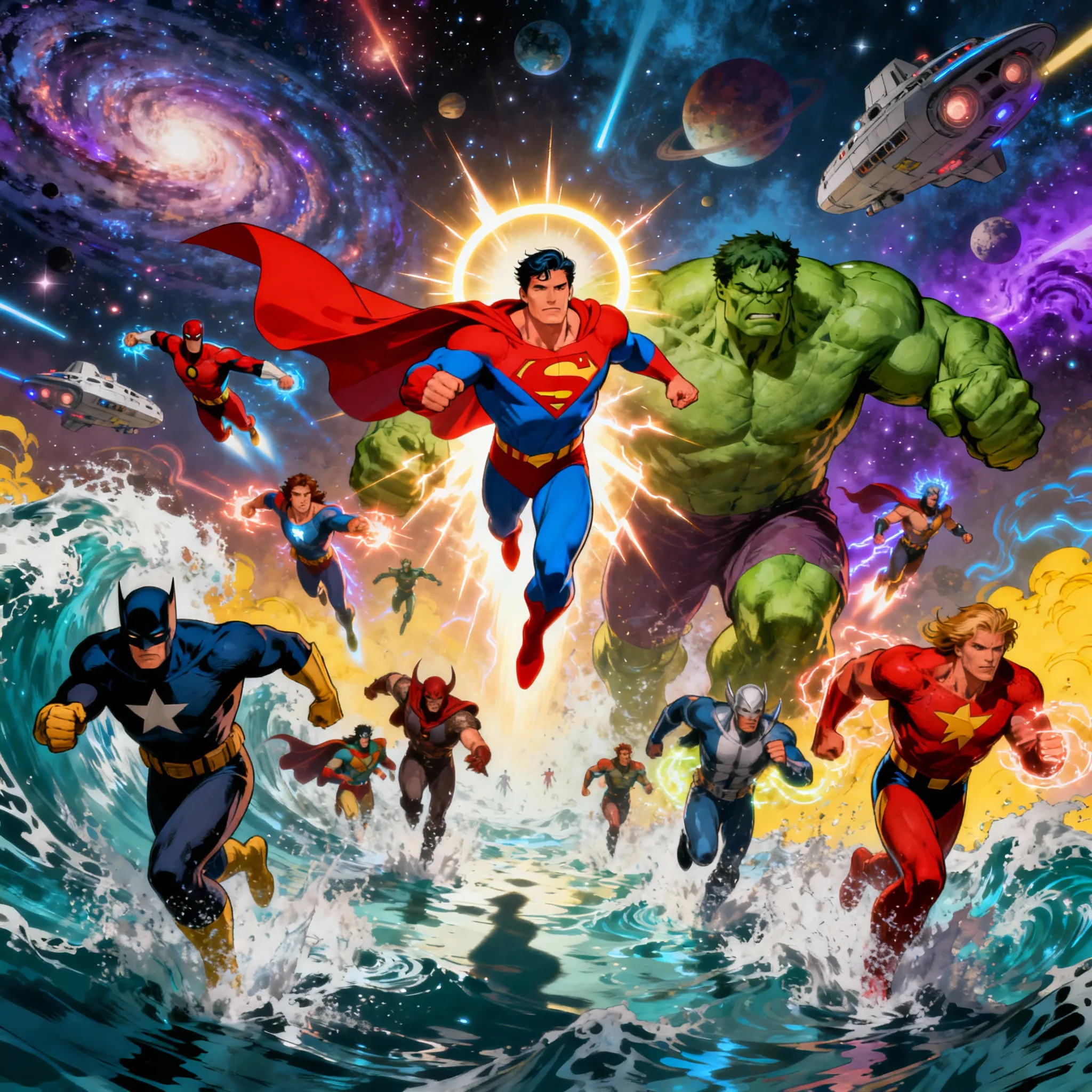
Silver & Bronze Ages (1950s–1980s): The Leap Toward Depth, Realism, and Social Relevance
Artistic Evolution
The Silver and Bronze Ages marked a quantum leap in sophistication. Visionaries like Neal Adams and John Romita Sr. injected lifelike anatomy, expressive facial dynamics, and innovative panel layouts into their work. Comics began to tackle social realities, portraying not just mythical heroes but complex individuals facing everyday challenges.
Defining Art Trends
- Detailed Anatomy & Realistic Costuming: Muscles, costumes, and backgrounds gained depth, making superheroes more believable.
- Vivid and Expanded Color Schemes: Artists experimented with gradients, shadows, and new printing techniques for richer scenes.
- Emotional Resonance: Characters exhibited frustration, grief, love, and vulnerability, inviting readers to connect on a deeper level.
- Incorporation of Social Themes: Racism, gender issues, environmentalism, and conflicted morality became integral to stories and visuals.
Standout Artists & Works
- John Byrne (X-Men): Broadened expressive storytelling in team dynamics and action choreography.
- Bernie Wrightson (Swamp Thing): Elevated horror comics through atmospheric detail and elaborate shading.
- Neal Adams (Green Lantern/Green Arrow): Pioneered the use of realistic proportions and socially aware imagery.
Expanded Examples & Best Practices
- Dynamic Panel Shapes: Artists began to break away from uniform rectangles to heighten drama and lead the eye.
- Cross-Pollination with Illustration: Influence from fine art and advertising raised the bar for comic artwork.
- Reader Engagement: Layered backgrounds and subtle facial cues made it easier for audiences to empathize and immerse themselves in the fictional worlds.
Takeaway: Embracing both artistic innovation and real-world relevance, comics became richer, more emotionally charged, and more versatile than ever.
The Dark Age & Modern Era (1980s–Present): Shadows, Digital Prowess, and Maturity
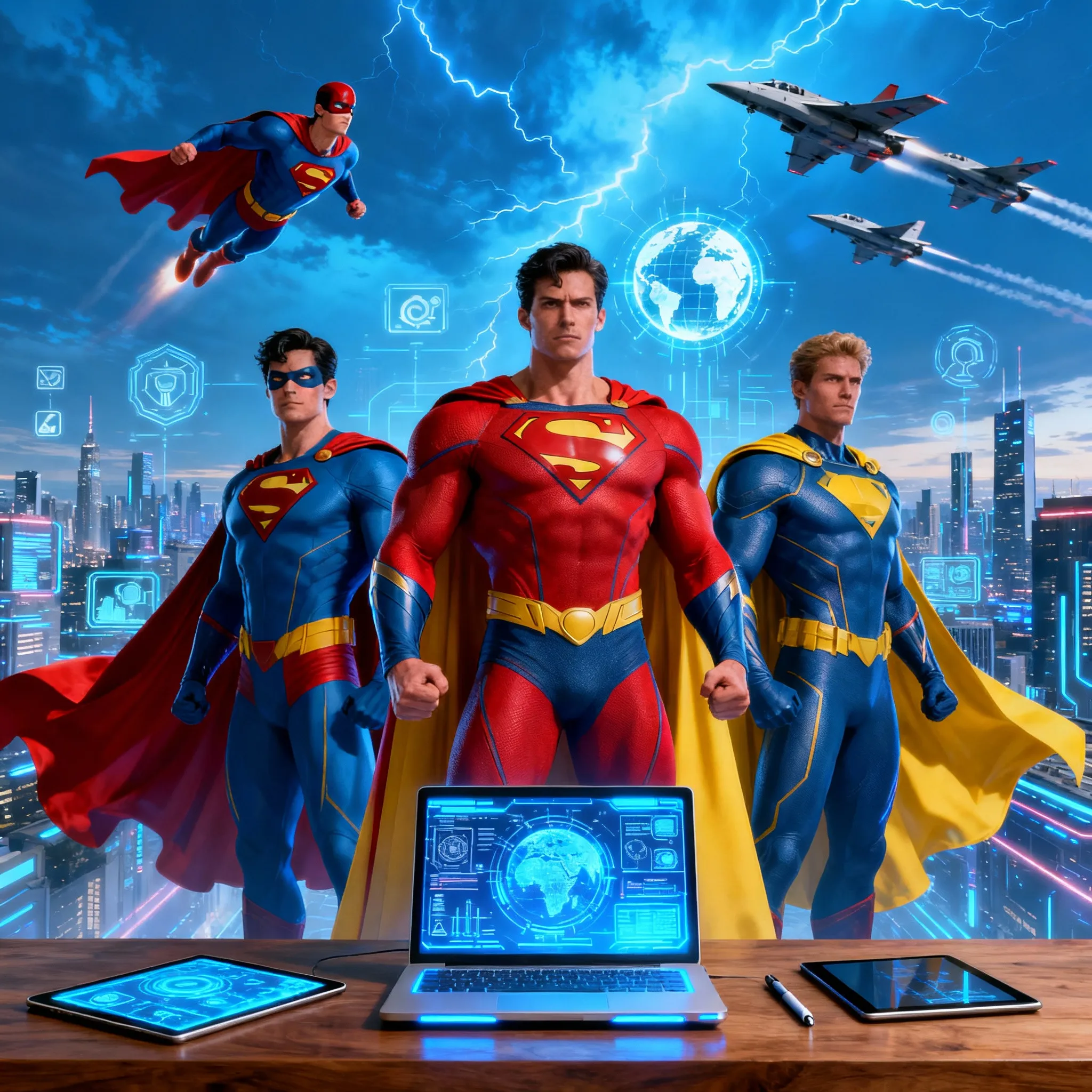
Entering the Dark Age and the modern era, comic art transitioned into grittier territory, reflecting mature themes, psychological complexity, and nuanced morality. Masterpieces like “Watchmen” and “Batman: The Dark Knight Returns” redefined visual storytelling with stark contrasts, deliberate use of shadow, and dramatic composition. The traditional pen-and-ink approach began to integrate digital technologies, unleashing new creative possibilities.
Major Developments in Style
- Muted & Moody Color Palettes: Subdued colors set an atmosphere of tension, ambiguity, and introspection.
- Chiaroscuro & Shadow Play: Artists wielded light and darkness to highlight emotion, danger, and suspense.
- Digital Innovation: From inking to coloring, artists harnessed software for smoother lines, textural effects, and layering.
- AI-Driven Experimentation: Creators now use AI tools (like LlamaGen AI) to analyze art styles, generate new concepts, and remix visual elements.
Noteworthy Innovations & Examples
- Graphic Novel Formatting: The rise of longer, self-contained stories led to more cinematic, immersive art.
- Hybrid Techniques: Many artists blend traditional drawing with digital enhancement, achieving unique textures and effects.
- Personal Style Development: Access to digital and AI resources enables artists to refine their own visual signatures.
Practical Advice: Try AI Image Generator tools to experiment with visual styles, analyze panel layouts, and develop custom comic effects—all without expensive software.
Fun Fact
- Image Analysis Applications: Originally created for fields like medical research and engineering, these programs have empowered comic artists to scrutinize brush strokes, study anatomy, and push creative boundaries further than ever.
Takeaway: Modern comic art is defined by fearless experimentation, thematic nuance, and next-gen technology—inviting creators to challenge conventions and audiences to explore new depths.
The Global Impact of Manga: Redefining Comic Art Worldwide
Manga’s Distinct Artistic Identity
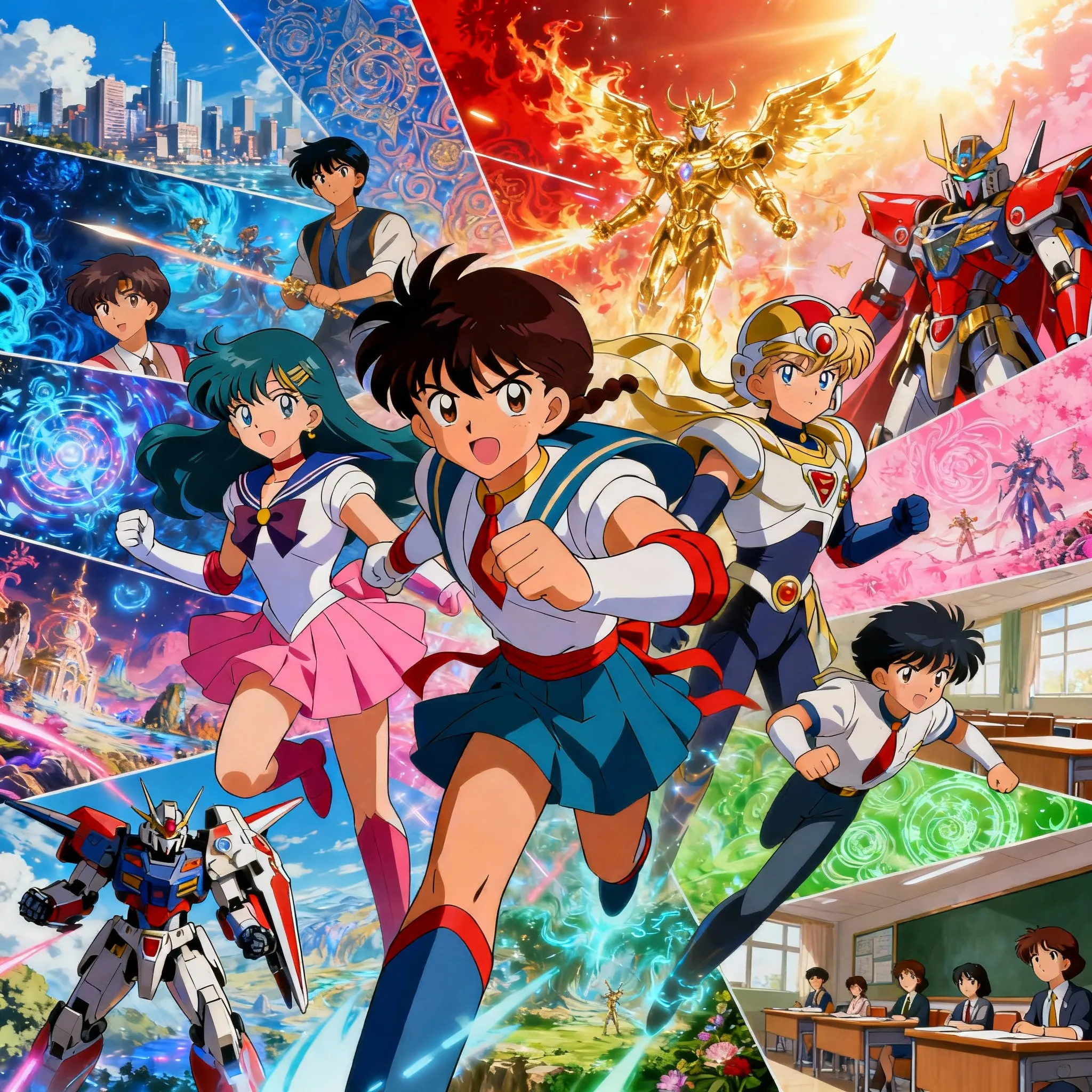
Manga, the Japanese art of comics, has become a global phenomenon, reshaping visual storytelling with its own set of conventions. The approach champions expressive clarity, inventive paneling, and emotional dynamism, presenting stories across every conceivable genre.
Core Features of Manga Style
- Bold, But Simplified Lines: Stylistic linework puts focus on character emotion and action flow rather than photorealistic detail.
- Creative Panel Layouts: Flexible borders and unconventional sequencing maximize drama and pacing.
- Emotional Faces & Forms: Characters' eyes, mouths, and poses are exaggerated for transparency of feeling.
- Anatomy vs. Clarity: Artistic anatomy is often stylized to serve narrative clarity—every gesture and glance communicates intent and feeling.
Manga’s Growing Influence
- Market Share Expansion: Manga’s global presence has ballooned:
- 2020: 42% estimated market share (ICv2 Report 2021)
- 2023: 51% estimated market share ("Manga Global Market Report 2024")
- Genre Diversity: From slice-of-life dramas to epic adventures, manga covers every imaginative realm.
Breakdown of Manga Subgenres & Their Defining Art Styles
- Shonen: Action-packed series for young male readers (e.g., My Hero Academia, One Piece).
- Emphasizes dynamic poses, clear layouts, and battle sequences.
- Shojo: Romance and friendships for young female readers (e.g., Fruits Basket, Nana).
- Focuses on delicate lines, floral motifs, and wide-eyed character expressions.
- Seinen: Dark, mature narratives for adult males (e.g., Berserk, Vinland Saga).
- Often uses detailed shading, realistic backgrounds, and somber tones.
- Josei: Complex relationships and everyday life for adult females (e.g., Emma, Nana).
- Subtle expressions, realistic fashion, and understated panel transitions.
Actionable Tips
- Blend Techniques: Artists outside Japan frequently borrow manga tools—think speed lines, emotion symbols, and dramatic perspectives—to enrich their own stories.
- Panel Flow Practice: Try reading or sketching manga panels to improve your own sense of storytelling rhythm and emotional pacing.
Takeaway: Manga’s emphasis on emotion, layout creativity, and genre diversity is a goldmine for anyone seeking to broaden their comic art skillset or storytelling approach.
Toon vs. Manga: Exploring Two Expressive Pillars of Comic Visuals
Comics worldwide owe much of their expressive power to the distinct traditions of toon (Western cartoon) and manga styles. While both are celebrated for energetic storytelling, their techniques offer unique visual languages and emotional impact.
Toon Style: Western Animation Roots
- Origins: Emerged from America’s golden era of comic strips and animated shorts, catering primarily to youthful audiences.
- Signature Traits:
- Clean, simplified linework for accessible, quick readability.
- Exaggerated proportions—large eyes, expressive mouths, flexible limbs—geared towards humor.
- Limited but vibrant colors, with straightforward backgrounds.
- Representative Icons: Characters like Mickey Mouse, Bugs Bunny, Scooby-Doo embody the whimsical, approachable spirit of toon style.
Manga Style: Drama and Dynamism
- Emphasis: Prioritizes emotional expression and action flow over strict anatomical fidelity.
- Visual Techniques:
- Dynamic, bold lines for energy and movement.
- Inventive panel layouts and transitions, inviting readers into kinetic scenes.
- Selective color use—predominantly black-and-white with gradients and screentones for mood setting.
- Narrative Focus: Manga visuals are tightly integrated with story beats, ensuring every pose, glance, and gesture propels characters forward.
Detailed Comparison Table
| Attribute | Toon Style | Manga Style |
|---|
| Linework | Clean, bold, simple | Expressive, dynamic, sometimes bold |
| Detail Level | Minimal, easy to read | Varies—often stylized for high emotion/action |
| Color | Bright, limited palette | Black & white with selective shading/tone |
| Feature Emphasis | Comedic exaggeration, broad gestures | Emotional clarity, dramatic narrative flow |
Enhanced Analysis & Tips
- Cross-Genre Inspiration: Many modern artists mix toon and manga elements, achieving hybrid results that stand out in indie and mainstream comics.
- Accessibility: Toon’s simplicity makes it ideal for beginning artists, while manga’s focus on emotion and perspective benefits intermediate creators aiming to up their storytelling skills.
Takeaway: Understanding both toon and manga styles equips artists to communicate stories with nuance, humor, or heartfelt drama, customizing their approach for any audience.

Present & Future: The Boundless Ageless Age & Digital Creative Renaissance
Comic Art Without Limits
Today, comic book visual storytelling is more diverse, inclusive, and technologically advanced than ever. Superheroes share the stage with indie icons, cosmic sagas unfold in lush digital hues, and survival stories command stark monochrome drama. There’s truly a creative “buffet”—an ever-expanding buffet—where every style, every genre, and every reader finds their place.
Digital Revolution: Empowering All Creators
- Advanced Digital Tools: Artists now work with digital tablets, painting programs, and 3D modeling for precise, vivid, and experimental artwork.
- Effortless Inking & Coloring: Digital processes offer smoother lines and brighter colors, instantly elevating page quality.
- Online Platforms & AI Tools: Tools like LlamaGen AI let creators publish, analyze, and share comics with global audiences, democratizing the process and breaking down barriers to entry.
- AI Image Generation: Generate custom characters, backgrounds, or even entire strips using intuitive online platforms.
- Global Collaboration: Artists collaborate in real-time, crossing borders, genres, and languages without technical obstacles.
Emerging Trends: Vertical Storytelling & Mobile Art
- Mobile-Friendly Formats: Vertical comics, designed for scrolling on smartphones and tablets, offer seamless, cinematic storytelling.
- Example: Webtoons and mobile-first manga have exploded in popularity.
- Multi-Language & Cross-Cultural Publishing: Publish comics in multiple languages, instantly reaching diverse, international audiences.
Actionable Takeaways
- Experiment with New Tools: Test out digital drawing programs and AI generators (Try LlamaGen AI) to find the visual workflow that suits your genre and style.
- Engage with Community Feedback: Online sharing lets artists gather rapid reviewer input, refine their technique, and grow craftsmanship in real time.
- Future-Proof Your Art: Stay updated on technological shifts—virtual reality comics, interactive narrative art, and integration with apps present exciting opportunities.
Conclusion: The Ever-Evolving Canvas of Comic Book Art
From the bright, bold heroics of the Golden Age to the moody, digital intricacies of the modern era, comic book art continues to reimagine itself—absorbing influences, transcending genres, and leveraging technology for creative freedom. Whether you gravitate to classic superhero lines, the emotional intensity of manga, or the frontier of interactive digital art, today’s comic landscape is overflowing with possibilities. Whatever your passion or skill level, now is the time to explore, experiment, and make your mark in the vibrant world of comics.
Ready to bring your own comic ideas to life with cutting-edge tools?
🎬 Create AI comics