
Mastering the Art of Pitching Your Film or Series with Storyboards
Mastering the Art of Pitching Your Film or Series with Storyboards
Pitching a film or series is more competitive than ever, and standing out requires more than just a great idea—your presentation must be vivid, compelling, and professional. Storyboards are the secret weapon that can transform your pitch from a mere concept into an immersive experience, making your vision tangible for producers, investors, and collaborators.
How Storyboards Supercharge Your Pitch
Storyboards do far more than decorate a pitch—they are a dynamic communication tool that breathes life into your project. By visually mapping out your story, you:
- Clarify Tone and Pacing: Storyboards instantly communicate how your narrative moves, whether it's edge-of-your-seat suspense, slow-burning drama, or rapid-fire action.
- Showcase Visual Style: Demonstrate your directorial eye for detail with camera angles, lighting choices, and framing. Want moody noir shadows or vibrant sci-fi palettes? Storyboards let you show, not just tell.
- Earn Stakeholder Trust: When you present polished boards, you signal professionalism and preparedness. Stakeholders see you’ve thought beyond the script and can envision the finished product.
- Differentiate Your Pitch: With hundreds of scripts vying for attention, storyboards make your proposal memorable and help decision-makers visualize your concept instantly.
- Facilitate Collaboration: Visuals help everyone from DPs to producers get on the same page faster, reducing miscommunication and inspiring creative input.
Building a Winning Storyboard Pitch: Essential Elements and Best Practices
To craft a pitch that captivates from the first slide, ensure you incorporate these key elements and elevate them with expert techniques:
1. Focused Script or Treatment
- Highlight the Core Narrative: You don’t need a full script, but a clear, concise treatment or summary is essential. Focus on main plot beats, themes, and emotional arcs.
- Emphasize Key Scenes: Select the moments that best illustrate your concept—opening shots, turning points, climactic sequences.
2. Storyboard Panels
- Strategic Selection: Use AI-generated or hand-drawn panels to bring pivotal scenes, dramatic transitions, and visual motifs to life.
- Balance Detail and Simplicity: Panels should be clear and visually engaging without getting bogged down in minutiae. Let the visuals spark imagination.
3. Character Consistency
- Design Cohesive Visuals: Ensure your characters look consistent throughout the boards to avoid confusion and maintain immersion.
- Highlight Distinctive Traits: Use visual cues (costume, posture, props) to reinforce personality, relationships, and development.
4. Matching Art Style
- Align Style with Genre: Choose an art approach that complements your story’s mood—gritty textures for horror, stark lines for noir, or soft palettes for indie drama.
- Use Style to Set Expectations: The visual style should signal your intended audience and production value.
5. Optional Animatic
- Bring Storyboards to Life: Convert static panels into a short animatic, layering in music, sound effects, and timed transitions to simulate pacing and emotional beats.
- Showcase Timing and Rhythm: Stakeholders get a taste of how your film or series will “feel” in motion, adding impact to your pitch.
6. Additional Enhancements (Pro Tips)
- Include Environment and World-Building Shots: Go beyond character close-ups—show the settings, atmosphere, and world your story inhabits.
- Add Mood Boards: Supplement your storyboards with color palettes, reference images, and inspiration to further reinforce your vision.
- Provide Brief Captions: Add concise descriptions beneath panels to clarify action, emotion, or dialogue where necessary.

Transforming Your Storyboarding Process with AI Tools
Modern AI-powered platforms like LlamaGen AI are revolutionizing how filmmakers prepare storyboards, making professional results accessible to everyone.
Key Benefits of Using LlamaGen AI and Similar Tools
- Upload Your Script or Treatment: Start by providing your narrative outline or scene breakdown.
- Generate High-Quality Storyboards Instantly: AI creates polished panels for key scenes, capturing mood, tone, and action.
- Ensure Consistency: AI keeps character designs, camera angles, and color schemes uniform, enhancing the professional look.
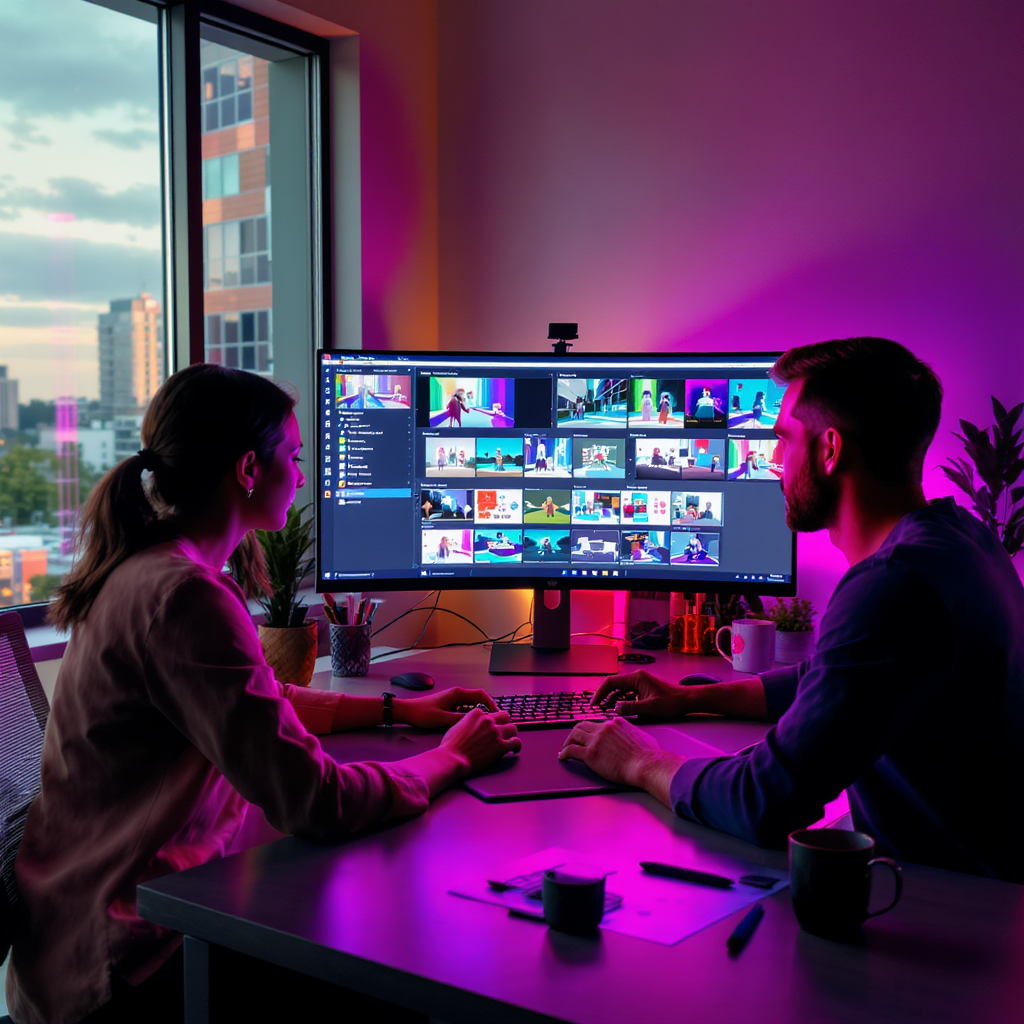
- Easily Export Pitch Decks: Download your boards as PDFs or transform them into pitch videos for dynamic presentations.
- Iterate and Refine: Make edits in real time, adjusting panels or styles to fine-tune your vision.
Bonus: Experiment with Multiple Visual Versions
AI tools empower you to quickly explore creative variations, such as:
- Different Opening Sequences: Test alternative scene arrangements to see which hooks your audience best.
- Visual Style Swaps: Instantly switch between black-and-white, pastel, neon cyberpunk, or any aesthetic that fits your story.
- Affordable Flexibility: Forget lengthy waits and high costs—AI lets you test, iterate, and perfect your boards fast.
Try it yourself: AI Image Generator
Actionable Takeaways for Storyboard Pitch Success
- Be Strategic: Choose your most impactful scenes for boards—don’t try to illustrate everything.
- Prioritize Clarity: Make sure each panel clearly communicates its purpose in the story.
- Leverage Technology: Use platforms like LlamaGen AI to save time, maintain quality, and impress stakeholders.
- Prepare to Adapt: Be ready to revise boards based on feedback—flexibility shows openness and professionalism.
- Reinforce with Supporting Material: Supplement storyboards with references, concept art, and mood boards for a more immersive pitch.
[IMAGE_3]
TL;DR
A standout pitch is all about showing—not just telling. Vivid storyboards help your audience instantly grasp your vision, setting your project apart in a crowded marketplace. With tools like LlamaGen AI, you can build a pitch deck that looks and feels like a finished film or series, dramatically increasing your chances of approval.
storyboard pitching
film pitch techniques
AI storyboard generator
vizuālā stāstīšana
project pitch tips

Iepriekšējie blogi
Advanced Strategies That Actually Work for Safe AI Integration
Discover if you’ve ever tried to scale creative ai workflows—especially with something as visually d
User Story: Understanding the Basics of AI Comic Templates
Discover children’s picture book comics have always held a special place in my heart and creative wo

Understanding the Basics of ePub Export for Storyboards
Discover if you’ve ever tried exporting storyboards or comics to epub format, you’ve probably run in
User Story: How We Solved 6-Character Comic Consistency in 48 Hours: The French Enterprise Success Story
Discover creating visually consistent comics with multiple characters is a challenge many storytelle
Spark dreams for the young
Where millions of stories come alive
A rundown of the latest LlamaGen.Ai feature releases, product enhancements, design updates, and important bug fixes.