Пълни бележки от прегледа
Повече подробности за LlamaGen срещу Tervix
Продължете да четете за оригиналната статия, екранните снимки и допълнителния контекст зад това сравнение.
LlamaGen vs Tervix: Which AI Comic Generator Fits a Real Production Workflow?
Quick Verdict
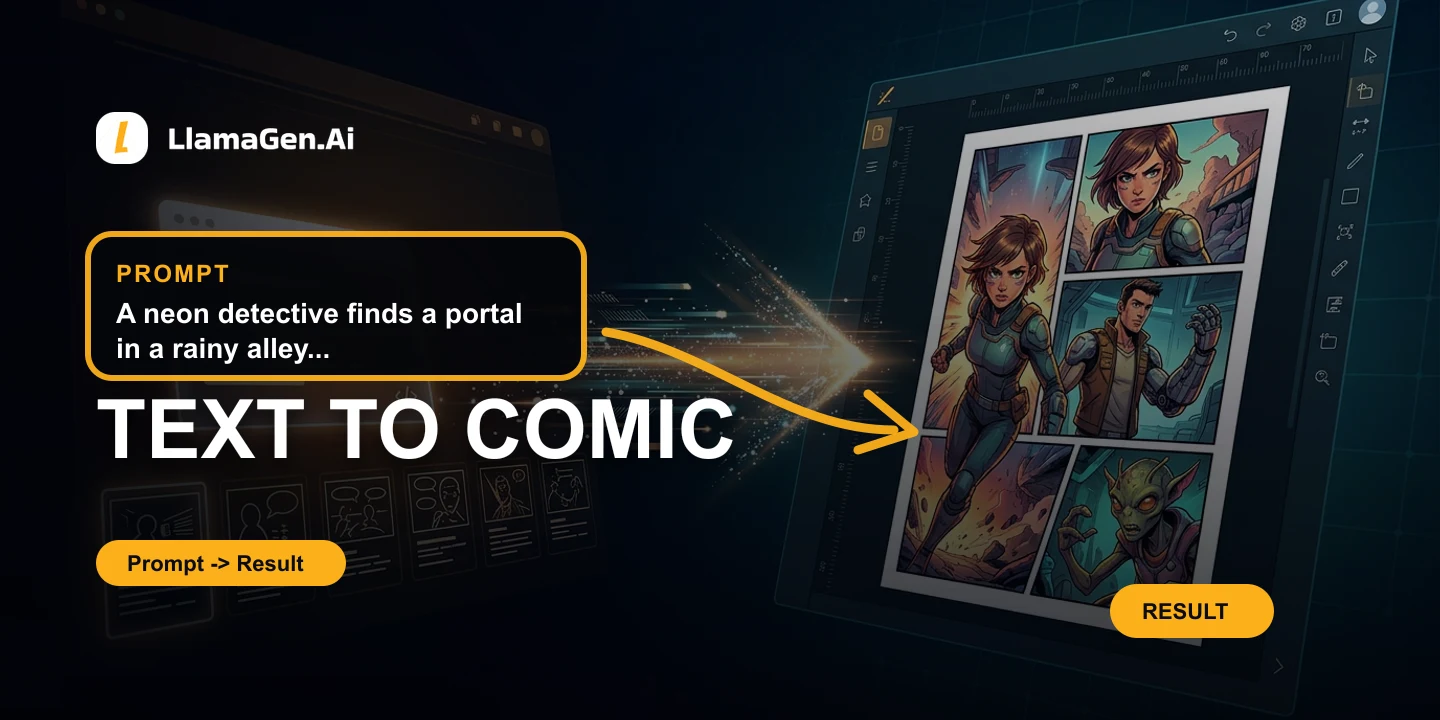
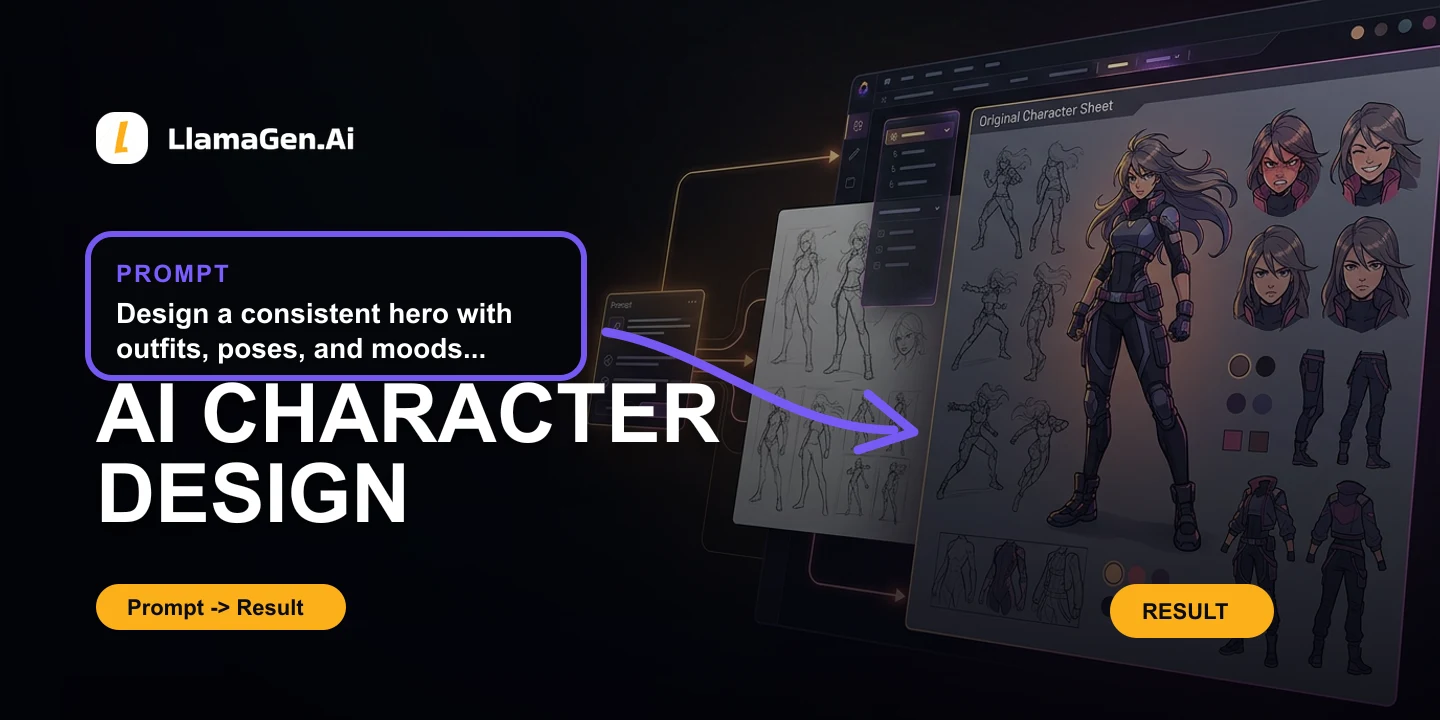
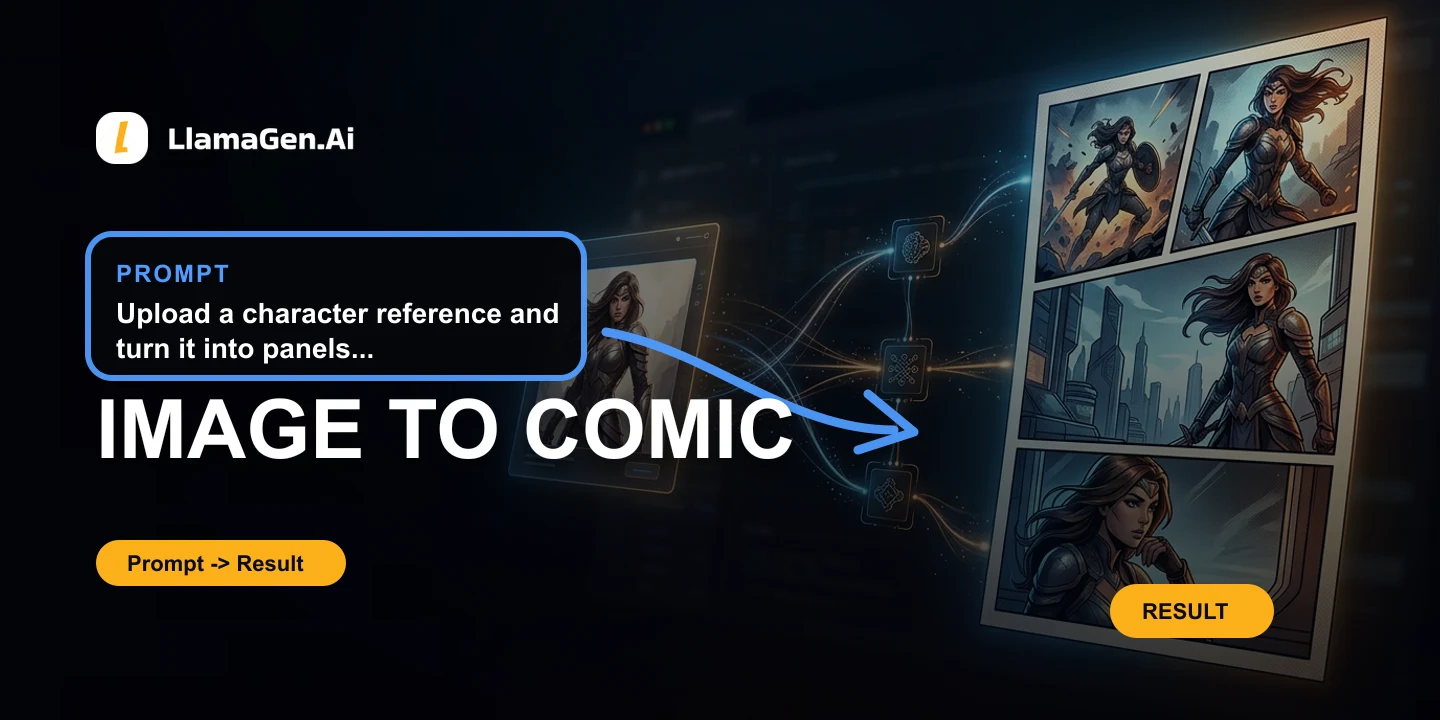
Choose LlamaGen if you need a broader story-production system: reusable characters, multi-panel comic generation, story and screenplay workflows, storyboard production, editable output, image-to-comic workflows, and a path from comic creation into animation.
Choose Tervix if you prefer a lightweight story-to-comic product with a simpler purchase model and a focused comic-generation experience.
Tervix has published a dedicated LlamaGen alternatives article and positions itself as a lower-friction alternative around pricing and character consistency. That makes this a useful comparison to answer directly.
Why Creators Compare Tervix and LlamaGen
The real buying question is not which homepage has the cleaner demo. It is whether the tool still works when your comic grows from four panels into chapters, recurring characters, revisions, and production deadlines.
For long-running work, compare:
- character identity across repeated scenes;
- how much story context survives from page to page;
- whether one bad panel can be fixed without rebuilding everything;
- whether scripts and reference assets can be reused;
- whether the workflow supports more than one output format;
- cost per publishable page after retries.
Side-by-Side
| Production need | LlamaGen | Tervix |
|---|
| Primary focus | AI-native story and comic production system | Focused story-to-comic generation |
| Long-form story workflow | Strong fit for recurring stories, scripts, scenes, and reusable story assets | Simpler comic-generation flow |
| Reusable characters | Designed for recurring casts and visual references | Promotes reference-based consistency |
| Multi-panel comics | Core workflow | Supported |
| Panel-level iteration | Editable comic workflow and targeted regeneration | More generation-led |
| Image-to-comic | Supported | Not the main positioning |
| Storyboard / screenplay workflow | Supported across broader studio flow | Less central |
| Animation path | Comic-to-motion / broader animation workflows | Not the main product focus |
| Best fit | Creators building repeatable story IP and serialized production | Creators prioritizing a focused, simpler comic tool |
Where LlamaGen Is Stronger
1. Story context is treated as a production asset
LlamaGen is designed around the idea that characters, scripts, visual references, scenes, and prior work should remain useful as the project grows. That matters more after chapter one than it does in a demo.
2. A broader production pipeline
LlamaGen can start from an idea, script, image reference, or existing story asset and continue into comics, manga, webtoons, storyboards, and animation-oriented outputs. That reduces handoffs between separate tools.
3. Better fit for recurring creative work
The value of a comic platform grows when the same cast, world, locations, props, and visual direction can be reused instead of re-described from scratch.
4. Editing matters as much as generation
For commercial work, the fastest workflow is often not "generate again." It is "repair only what is wrong." LlamaGen's production approach is built around editable outputs and iterative correction.
Where Tervix Has a Clear Advantage
Tervix is intentionally narrower. If you want a focused comic-generation product and prefer its purchase structure and simpler workflow, that can be an advantage rather than a limitation.
Its own comparison content also does a good job of forcing buyers to think about actual generation cost and consistency instead of feature-count marketing. That is a useful standard to apply to both products.
The Best Test: Use One Real Chapter
Do not compare screenshots. Use a 6-10 page chapter and score:
- character consistency;
- correction time;
- generations needed per usable page;
- continuity into the next scene;
- dialogue and panel editing;
- ability to reuse existing assets;
- export quality.
For a creator building a series, the winner is the platform that lowers total production friction, not the one with the cheapest first generation.
Final Recommendation
Tervix is worth testing if you want a focused story-to-comic tool. LlamaGen is the stronger fit when comics are part of a larger, repeatable story-production workflow and you care about reusable characters, editable output, multiple narrative formats, and continuity across a growing project.
Try the LlamaGen AI Comic Generator with an actual chapter rather than a throwaway prompt.