


Canon lives in too many places
Docs, chats, spreadsheets, image folders, comments, and memory all drift apart after a few chapters.
Build a living story bible for characters, lore, locations, timelines, references, visual rules, and production constraints, then let LlamaGen use it while you draft, revise, storyboard, and generate images.
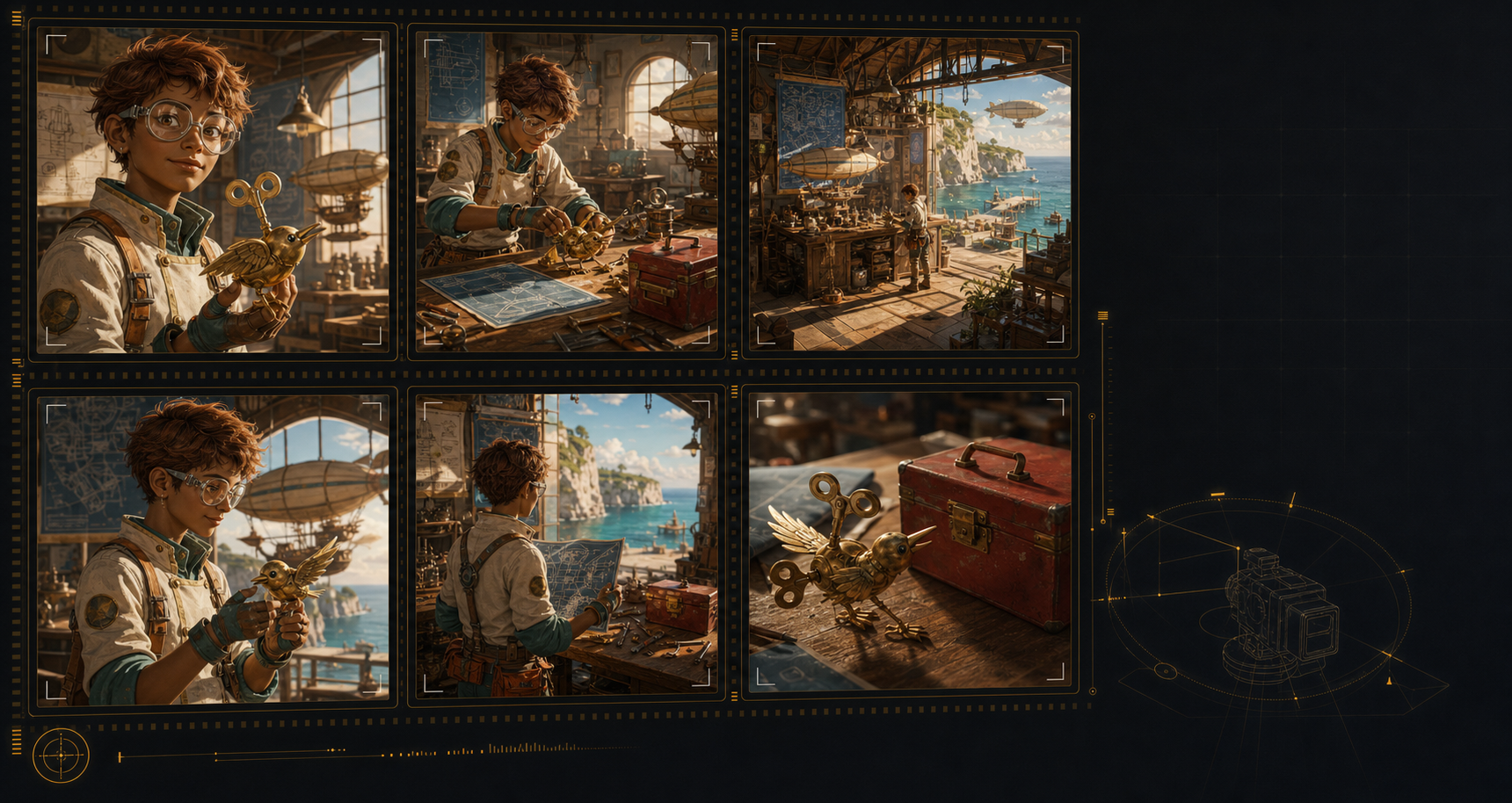
Codex turns scattered notes into a structured project memory that follows the writer from outline to draft to visual assets.

Collect canon
Add characters, lore, places, timelines, and rules.

Attach references
Ground writing and visuals with reusable sources.

Generate safely
Draft, revise, and create without drifting off-canon.
simple codex entry if necessary
Mara's left hand was injured in Chapter 7. She hides it in public, but the injury affects sword training. Her cloak is navy, not black. The city guard knows her false name, not her family name.
story-safe context appears here
A structured character memory update with injury, wardrobe, alias, and scene constraints separated for reuse.
A continuity warning list for future chapters: hand usage, public identity, cloak color, and guard knowledge.
A visual prompt brief that keeps the navy cloak, guarded posture, and injury detail consistent across images.
A good story tool should understand how writers actually work: messy drafts, changing canon, half-formed scenes, revision notes, and visual ideas that need to stay connected.
Docs, chats, spreadsheets, image folders, comments, and memory all drift apart after a few chapters.
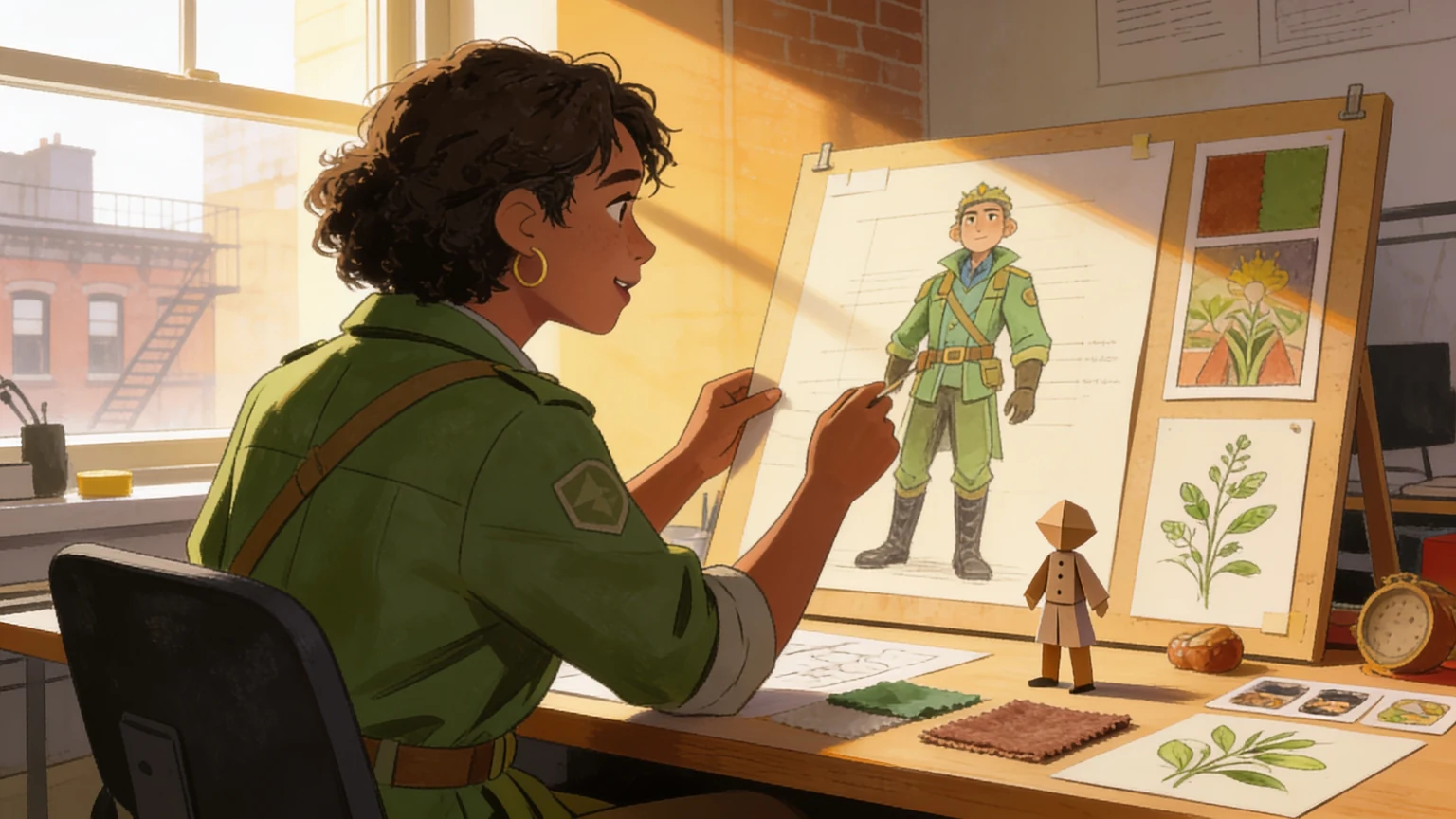
Generic generation forgets scars, aliases, ages, motivations, world rules, relationship states, and visual references.
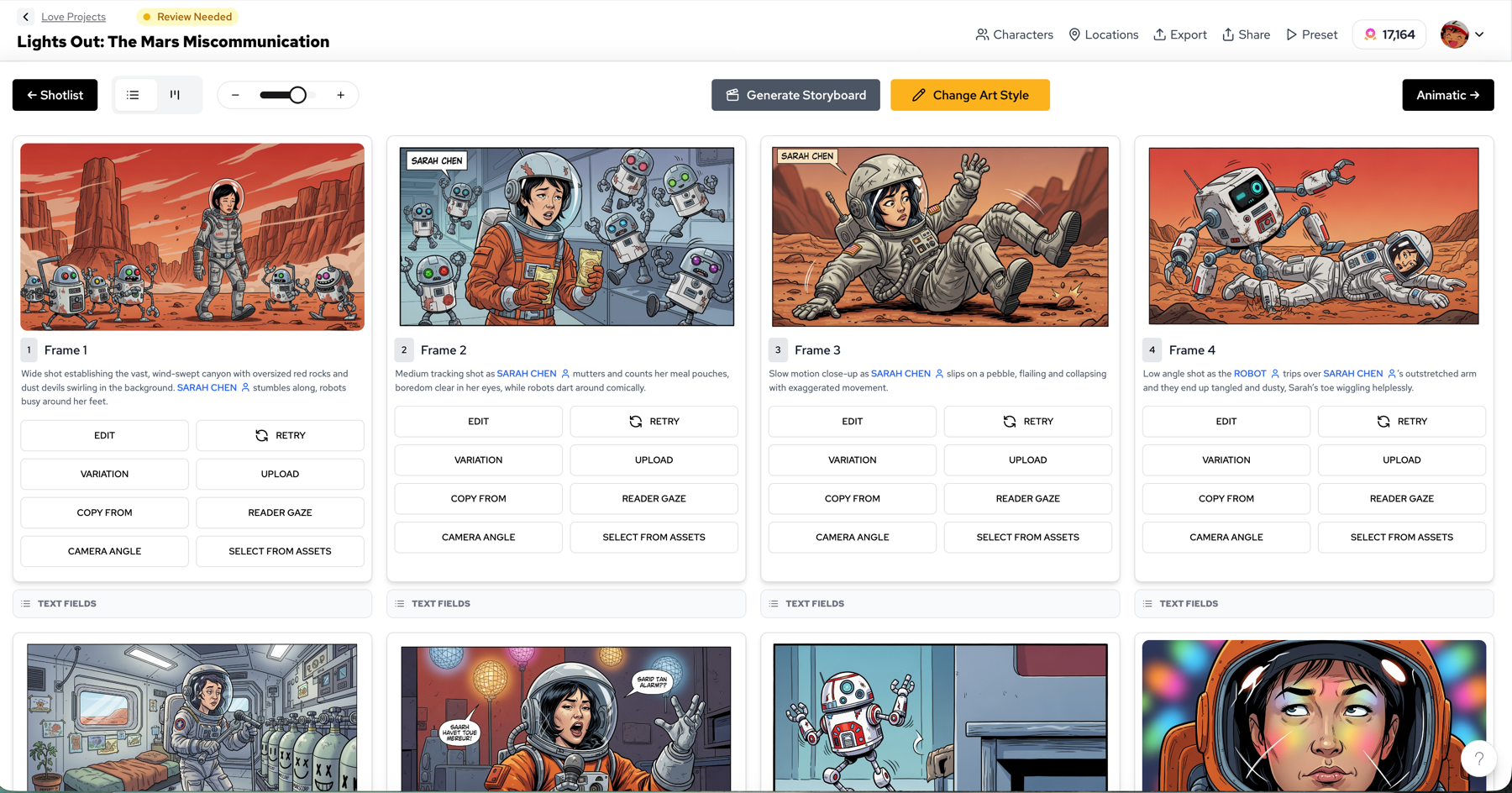
Character art, covers, panels, and storyboards need the same canon source as the manuscript.
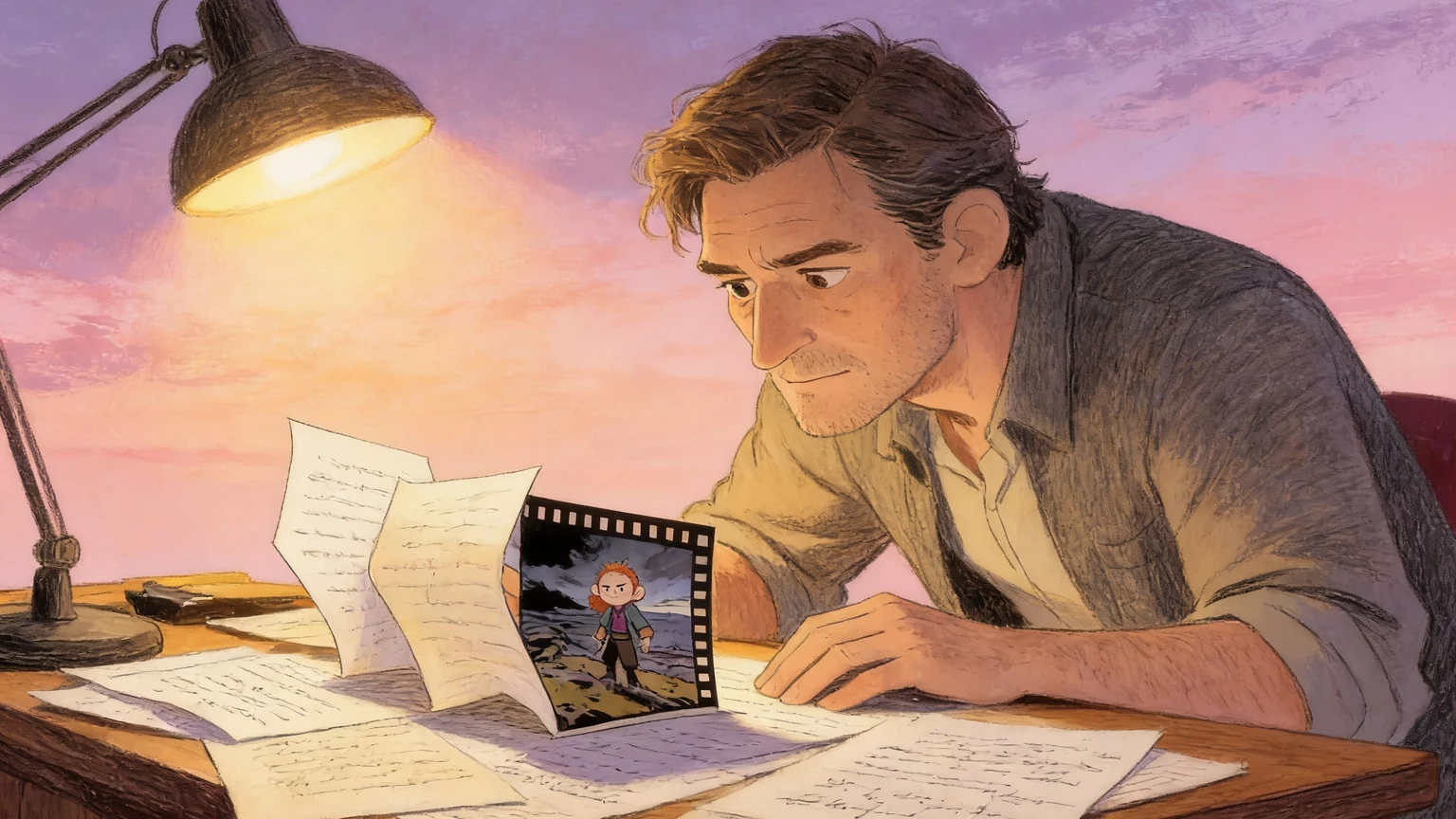
Codex gives every project a place for characters, locations, timelines, lore, style rules, references, and production constraints, so your next AI session starts with the right memory.
Create Codex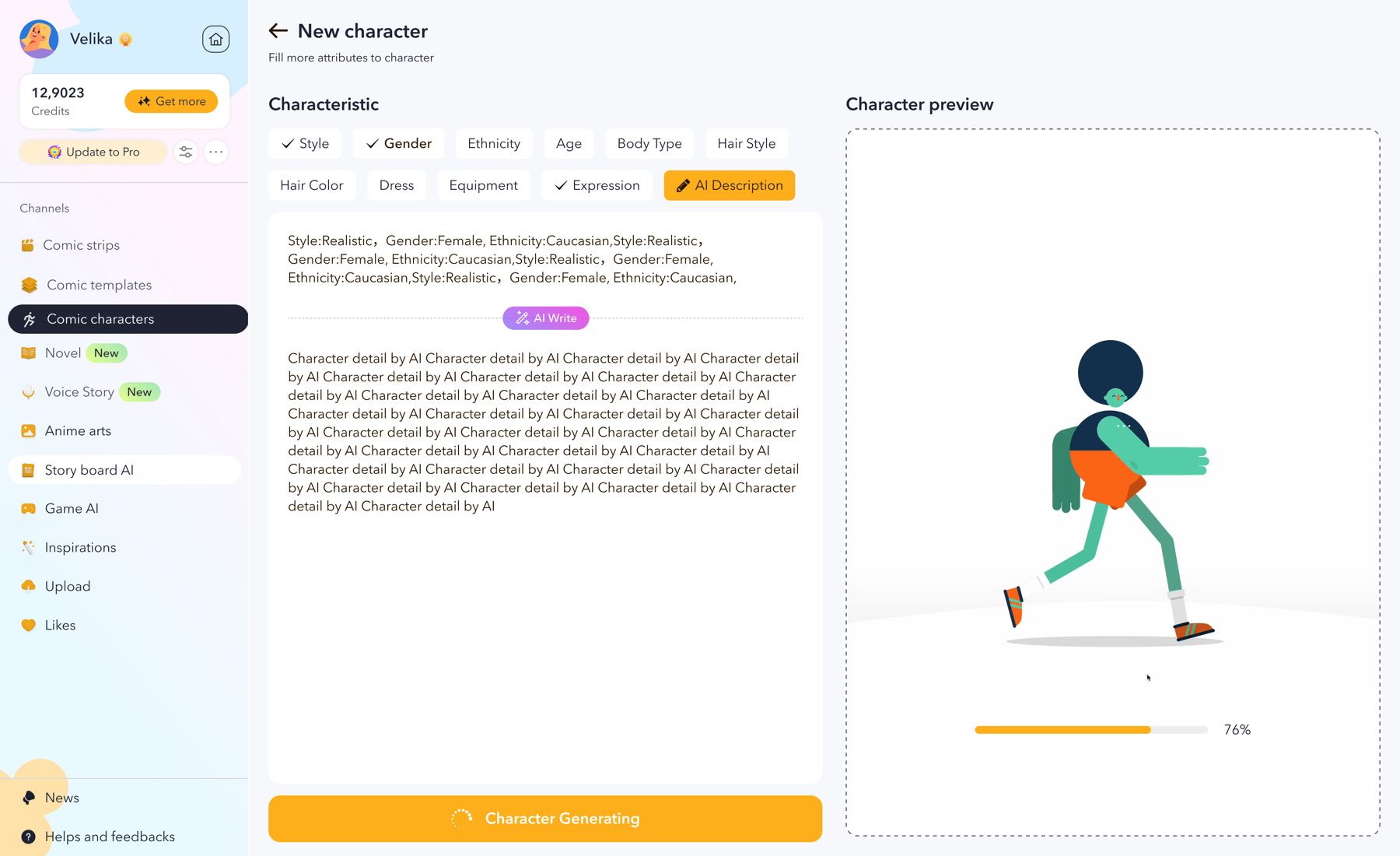
Track appearance, aliases, relationships, injuries, motives, outfits, props, and visual references so scenes and assets do not quietly contradict each other.
Map charactersUse Codex context when continuing a scene, rewriting a chapter, summarizing a plot line, checking contradictions, or preparing prompt-ready production notes.
Check continuity
Codex helps keep the same universe usable for covers, comics, panels, storyboard shots, character sheets, videos, and launch assets.
Use for visualsThe work is not only generating words. Writers need continuity, structure, feedback, visual direction, and a workflow that survives more than one session.
Wounds, secrets, relationships, wardrobe, and goals change chapter by chapter and need stateful tracking.
The more books, locations, clues, factions, and rules you create, the easier it is to contradict yourself.
Pasting the same notes into every session is slow, incomplete, and easy to forget.
A character sheet, outfit note, color palette, and scene rule need to travel with every image request.
A small rewrite can break timeline order, knowledge boundaries, clue placement, or emotional continuity.
Writers, artists, editors, and producers need the same source of truth before work scales.
Show the creative range: manuscript planning, character continuity, visual development, storyboard handoff, and launch assets.
Aliases, motives, wounds, appearance rules, relationships, and visual references in one reusable profile.
Magic systems, city laws, factions, technologies, taboo details, and constraints for generation.
Compare new drafts against known facts before contradictions become expensive rewrites.

Attach poses, panels, model sheets, palettes, props, and camera notes to story context.
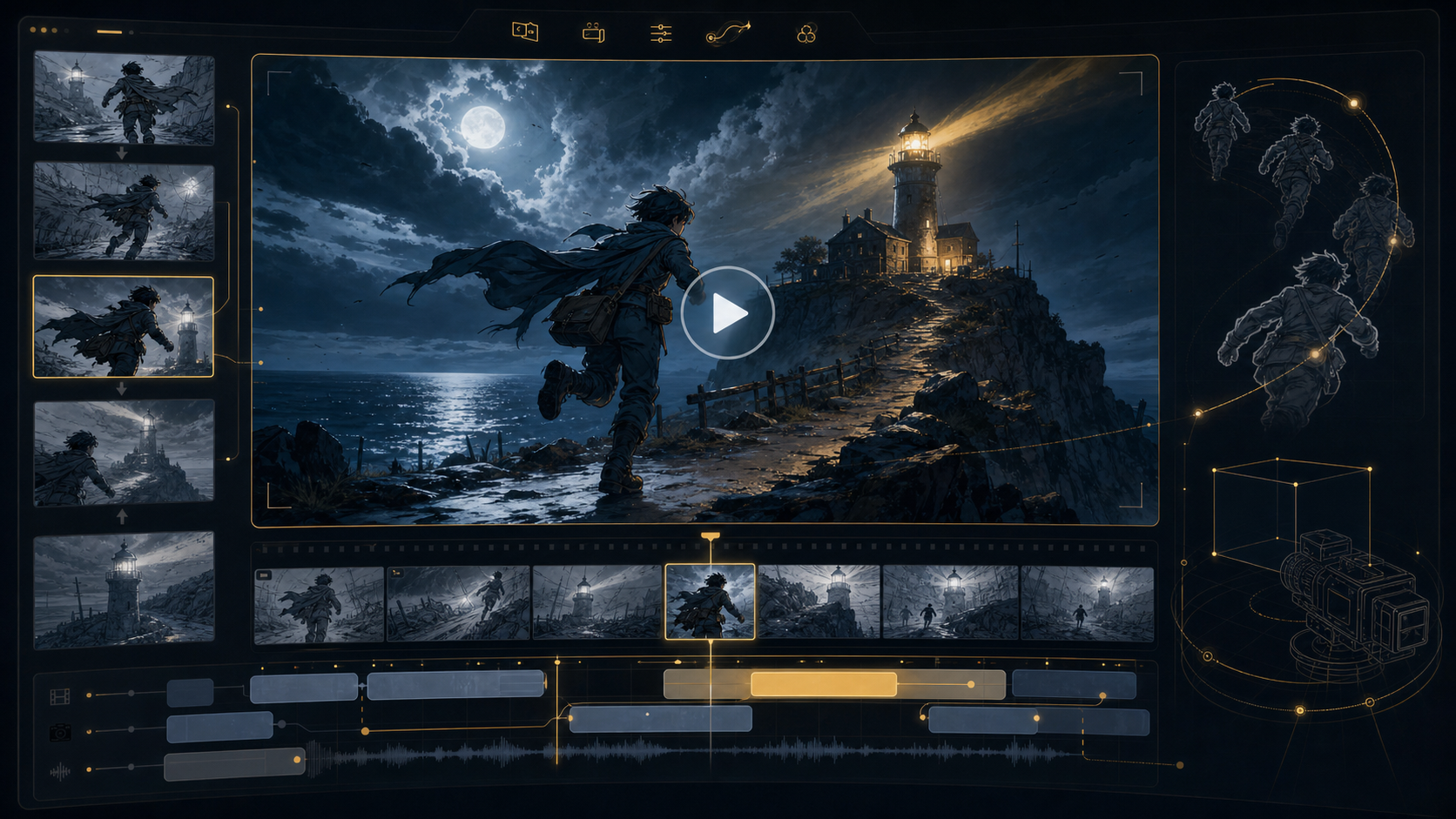
Move from canon-backed scene notes to panel lists, boards, animatics, and video concepts.
Carry characters, rules, and references from one project into spin-offs, campaigns, and launches.
Answer: fewer contradictions, less repeated prompting, and stronger continuity across writing and visuals.
Codex is the organized memory layer for a story project. It keeps character details, lore, locations, timelines, references, visual direction, production rules, and revision context available for drafting and generation.
A note document stores information for you to read. Codex is structured so AI workflows can use that information when writing chapters, checking continuity, creating character visuals, planning boards, and revising scenes.
Yes. Codex is designed for character profiles, aliases, relationships, motivations, appearance rules, outfit states, visual references, and scene-specific continuity notes.
No. It is useful for authors, comic creators, storyboard teams, game writers, visual artists, and studios that need one reliable canon source across prose and images.
Standard is enough for a solo story bible. Pro is better for series writers and visual IP creators. Unlimited fits teams or creators generating story, art, boards, and localized materials at high volume.
Codex turns the details you already know into reusable context for writing, revision, image generation, and story production.
Open LlamaGen Story