LlamaGen vs. Adobe Firefly: Which AI Comic Generator Should You Choose?
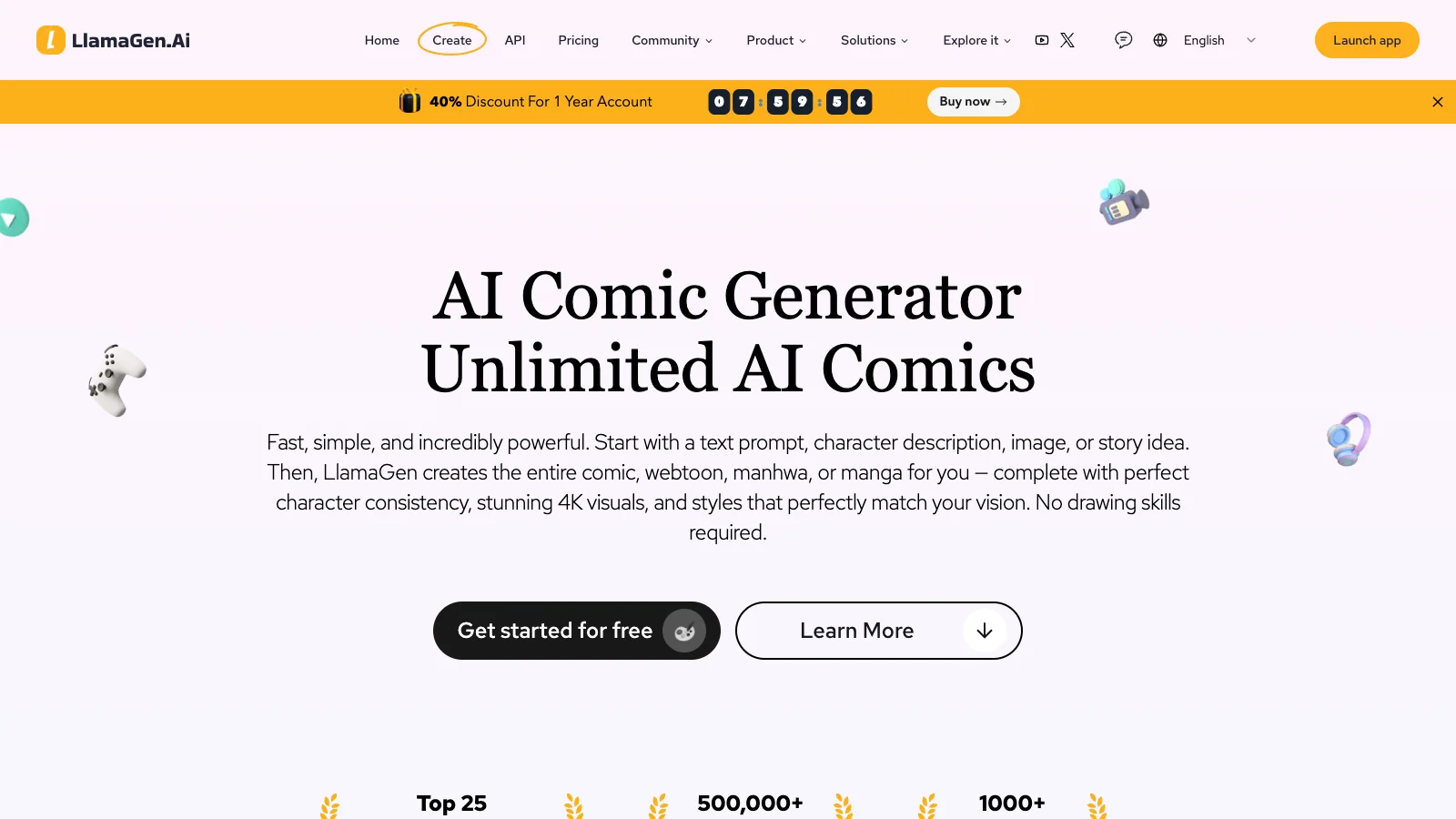
Trying to decide between LlamaGen and Adobe Firefly? The right choice depends on what you actually want to create. Explore why users choose LlamaGen for character memory, storyboard generation, page layout, editable speech bubbles, local regeneration, export templates, animation, and commercial creative workflows. It is closer to an AI Comic Copilot and AI Storyboard Director than a plain AI image generator. For many teams, LlamaGen is best for story assets that need comic structure and recurring characters.
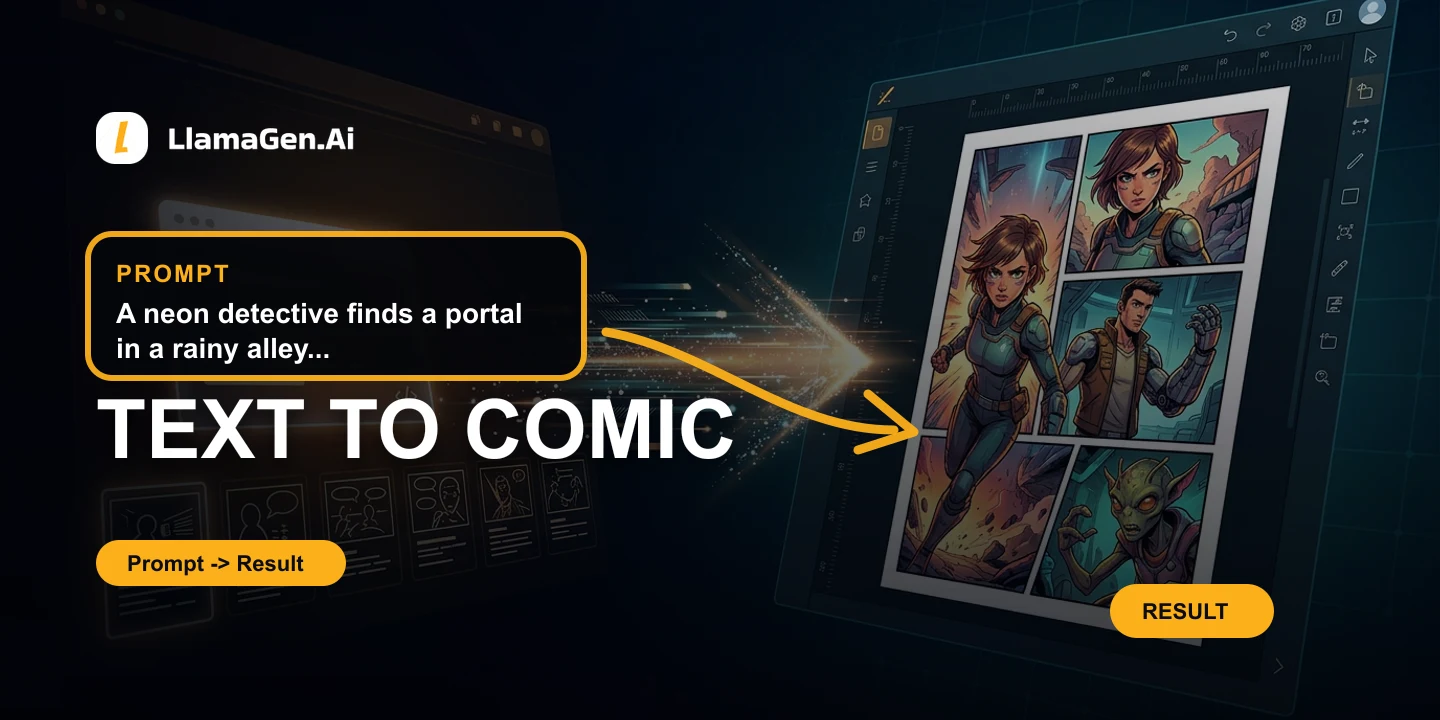
Start with a prompt, a script, or a reference image. LlamaGen turns it into beats, panels, layouts, grounded characters, dialogue, and story-ready pages in your browser.
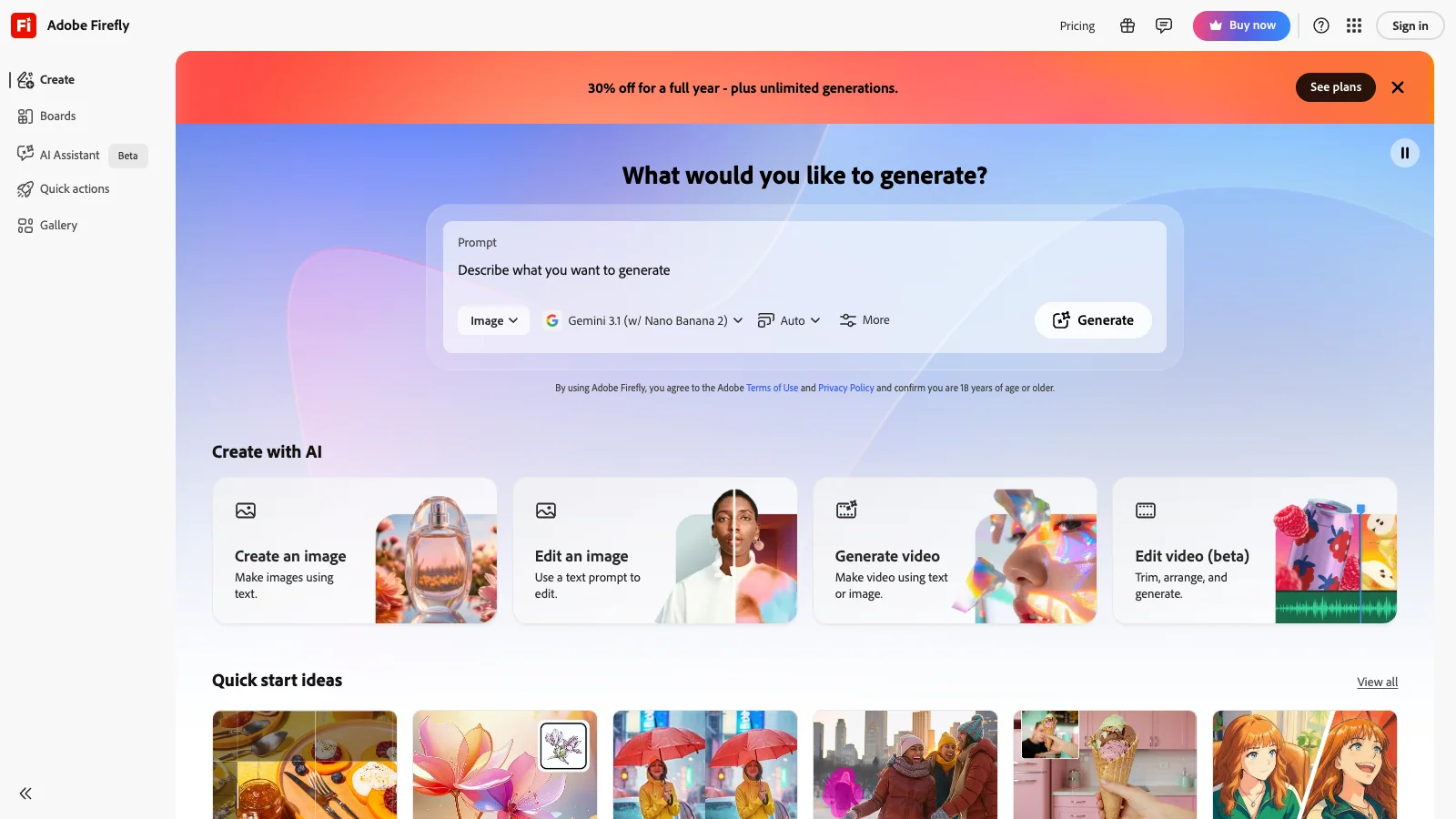
LlamaGen is built as an AI Comic Copilot and AI Storyboard Director: character memory, storyboard generation, page layout, editable lettering, local regeneration, export templates, reusable assets, and animation all live in one browser workflow. Adobe Firefly is a good fit when layout design, presentation assets, or brand packaging are the primary job.
Recommended
Choose LlamaGen If
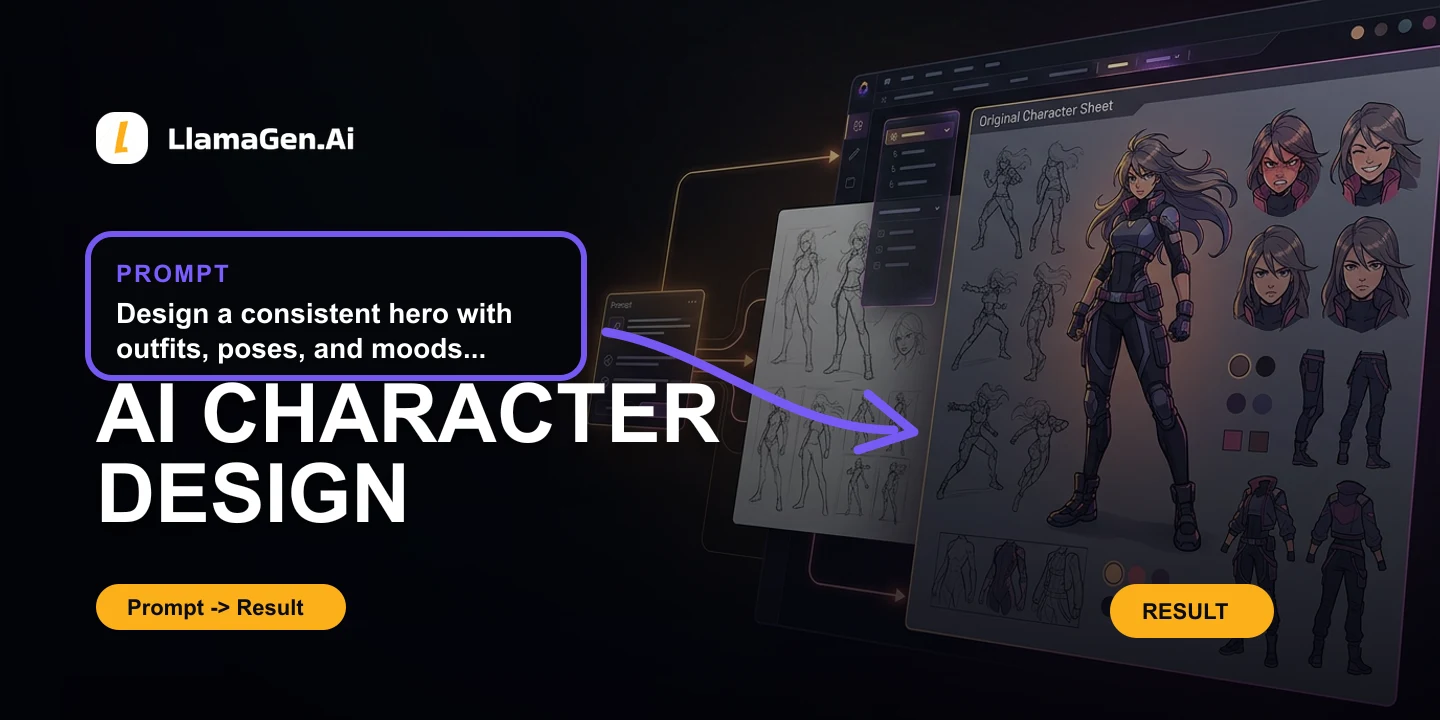
Character memory locks faces, outfits, hair color, props, age, body type, and expressions across panels.
Storyboard generation and page layout turn one prompt into a real comic page.
Editable bubbles, text, onomatopoeia, export templates, and local regeneration reduce rework.
Alternative fit
Choose Adobe Firefly If
You mostly need social posts, decks, ads, or brand assets.
Your comic needs are occasional and not character-driven.
Your team already has a separate storyboarding workflow.
At-a-Glance Comparison
A quick scan of the core workflow differences before you dig into the detailed breakdown.
Feature
LlamaGen
Adobe Firefly
Character consistency + memory
Locks face, outfit, hair color, props, age, body type, and expressions
Usually prompt or reference dependent
Character and scene grounding
Story decomposition
Storyboard generation
Page layout
Panel rendering
Page composition
Editable bubbles and text
Bubbles, fonts, dialogue, captions, and SFX stay editable
Often baked into the image or handled in another editor
Local regeneration
Regenerate one panel or region while keeping the character locked
Small edits often affect the whole image or page
Export templates
Webtoon, manga, 4-panel comic, and storyboard formats
Usually needs manual formatting before publishing
Script to comic
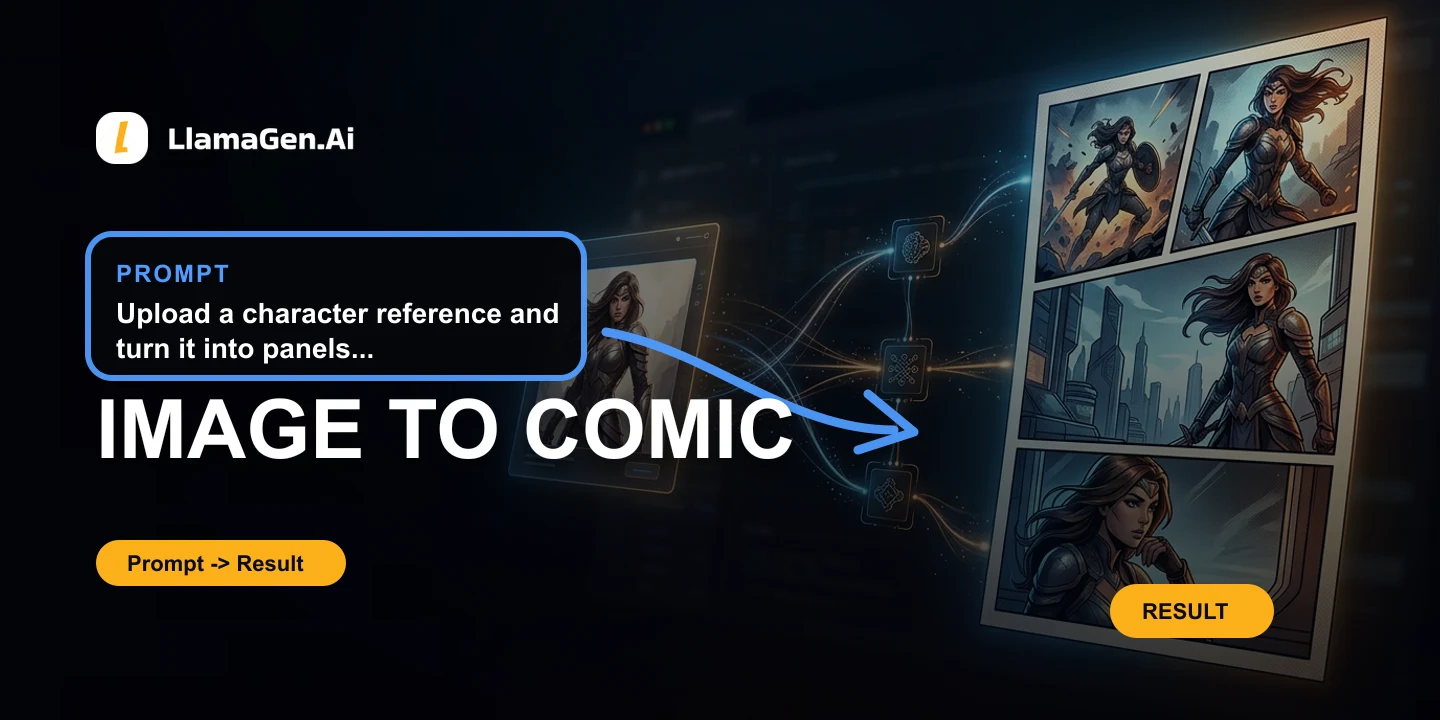
Image to comic
Animation workflows
Best for
Comics, manga, webtoons, animation
design and brand packaging
LlamaGen vs Adobe Firefly: Detailed Comparison
The core comparison is not text-to-image quality alone. For comics, users need character memory, a real page layout, editable lettering, local fixes, and export formats they can actually publish.
Capability
LlamaGen
Adobe Firefly
Face lock
Keeps the same face identity across panels and pages
Often drifts unless every prompt and reference is managed manually
Outfit, hair, and props
Locks clothing, hair color, recurring props, age, and body type
Details can mutate between images or edits
Expression control
Changes expressions while preserving the character memory
Emotion changes can accidentally change the character
Story decomposition
Breaks a story into beats, panel goals, scene intent, and reading flow
Image-first tools often treat prompts as isolated frames
Character and scene grounding
Anchors cast, settings, props, and scene continuity across panels
Continuity usually depends on repeated prompts, references, or manual control
Story path
Story -> Beats -> Panels -> Layout -> Characters -> Dialogue -> Final Comic
Usually starts and ends closer to prompt -> image
One sentence to page
Turns a short idea into a real comic page with beats, panels, and layout
Usually creates images that still need manual comic assembly
Page layout
Plans comic, manga, webtoon, and storyboard structure before final polish
Layout is often handled after generation in a separate editor
Panel rendering
Renders panels as story units with a role in the sequence
Standalone image generation can feel like similar pictures placed together
Page composition
Assembles panels into readable page rhythm and visual hierarchy
Often needs manual composition work
Editable bubbles
Speech bubbles remain editable instead of being baked into the image
Bubbles are often added manually or flattened into the artwork
Editable lettering
Fonts, dialogue, captions, and onomatopoeia can be revised after generation
Text edits usually require another design tool or a full image redo
Local regeneration
Regenerate one panel or a selected region while keeping characters locked
Small fixes can change the entire image, page, or character identity
Webtoon export
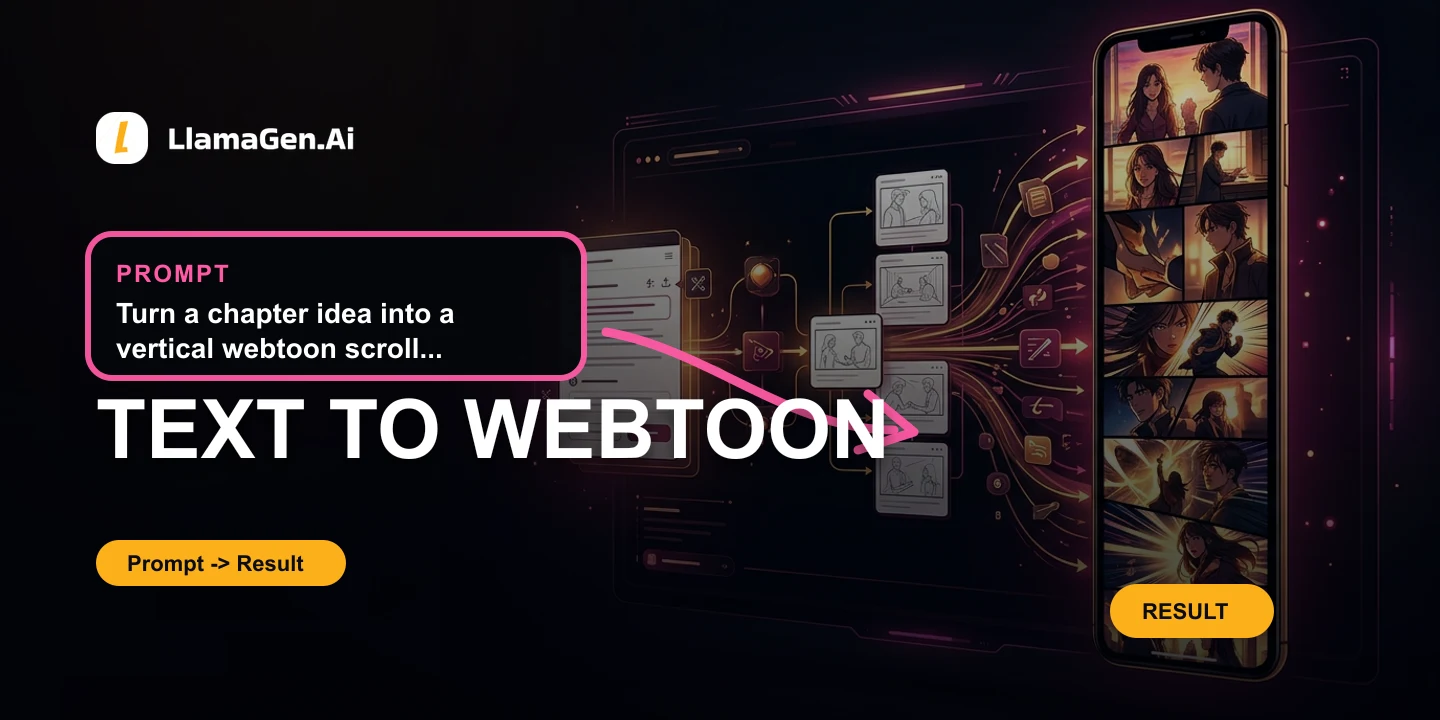
Vertical scroll-first webtoon templates for publishable episodes
Usually requires manual resizing and formatting
Manga and 4-panel templates
Manga pages and 4-panel comic formats are part of the workflow
Often needs external layout tools
Storyboard export
Storyboard formats help creators publish or hand off production-ready beats
Usually stops at image generation or loose concept frames
Idea to animation
Built for moving comic concepts into short animated scenes
Depends on external or specialized tools
Music to animation
Supports music-led animation workflows
Usually not part of core comic creation
Browser workflow
No local GPU or complex setup needed
Setup and exports vary by product
Which Tool Is Right for You?
LlamaGenRecommended
Choose LlamaGen If...
Character memory locks faces, outfits, hair color, props, age, body type, and expressions across panels.
Storyboard generation and page layout turn one prompt into a real comic page.
Editable bubbles, text, onomatopoeia, export templates, and local regeneration reduce rework.
You want commercial-ready story assets without local setup.
You want to move from idea to comic to animation without changing tools.
Im working on creating comic strips for my characters. LlamaGen has helped me a lot with creating these comic strips. The best thing aboutt LlamaGen is that it is very easy to use!
Compare LlamaGen with Others
Browse every LlamaGen comparison across comic, image, design, storyboard, and animation tools.
Adobe Firefly AI Comic Generator vs LlamaGen: Which Tool Should Creators Use?
Quick Verdict
Choose LlamaGen if you want a story-first comic workspace for manga, webtoons, panels, dialogue, characters, and longer storyboard projects.
Choose Adobe Firefly if you already work inside Adobe tools and want commercially oriented AI image generation, Firefly Boards, and a broader design ecosystem.
Adobe Firefly is a strong general creative tool with dedicated comic generation features. LlamaGen is more specialized for comic production from the first prompt to the final sequence.
Platform Focus
Adobe Firefly's AI comic generator is designed to create comic panels, explore styles, use reference images, arrange sequences with Firefly Boards, and export images or video assets for further editing in Adobe apps.
LlamaGen focuses on the full comic workflow: script interpretation, panel generation, character consistency, dialogue, layout, and story continuation.
Feature Comparison
Feature
LlamaGen
Adobe Firefly AI Comic Generator
Primary workflow
Comic, manga, webtoon, storyboard
Adobe AI image and comic panel creation
Multi-panel story flow
Built for sequential storytelling
Supported with Firefly Boards
Character consistency
Comic-focused character workflow
Reference images and Adobe tools
Style exploration
Manga, anime, comic, storyboard styles
Broad Firefly visual styles
Export
Comic and story assets
JPEG/PNG, MP4, Adobe app workflows
Best for
Story-first creators and teams
Adobe users and brand-safe design teams
Where LlamaGen Wins
Comic-first creation
LlamaGen starts from the needs of comic creators: scene continuity, characters, panels, and readable story output. That focus matters when a project grows beyond a few single images.
Faster story iteration
When you are changing a script, adjusting a panel, or continuing a character across scenes, LlamaGen keeps the workflow centered on the story rather than forcing every step through a general design process.
Manga and storyboard workflows
For manga creators, educators, marketers, and storyboard artists, LlamaGen is better aligned with sequential visual storytelling.
Where Adobe Firefly Wins
Adobe Firefly is compelling for teams already using Photoshop, Adobe Express, or Firefly Boards. Its commercial-safety positioning and Adobe ecosystem integrations make it a strong choice for brand and design workflows.
Final Recommendation
If your main outcome is a comic, manga, webtoon, or storyboard sequence, LlamaGen is the more focused AI comic generator. If your team already builds creative assets in Adobe tools, Adobe Firefly is a strong ecosystem option.