الأولوية للصور إلى الفيديو


سير عمل صورة مركزية
مولد الرقص الأنمي بالذكاء الصناعي
حمّل شخصية أنمي، واختر نموذج حركة، وأنشئ فيديو رقص من خلال خط أنابيب anime2 في LlamaGen.
أنشئ رقصة أنمي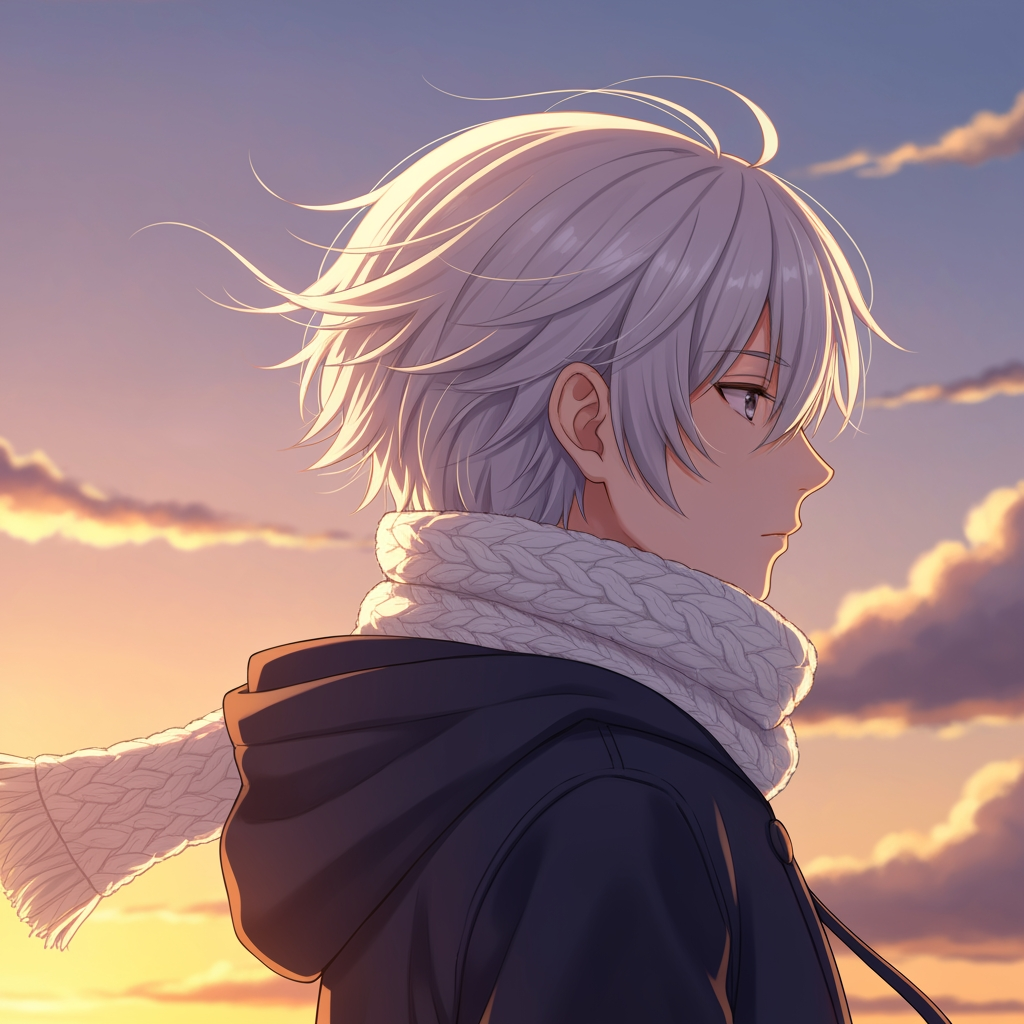
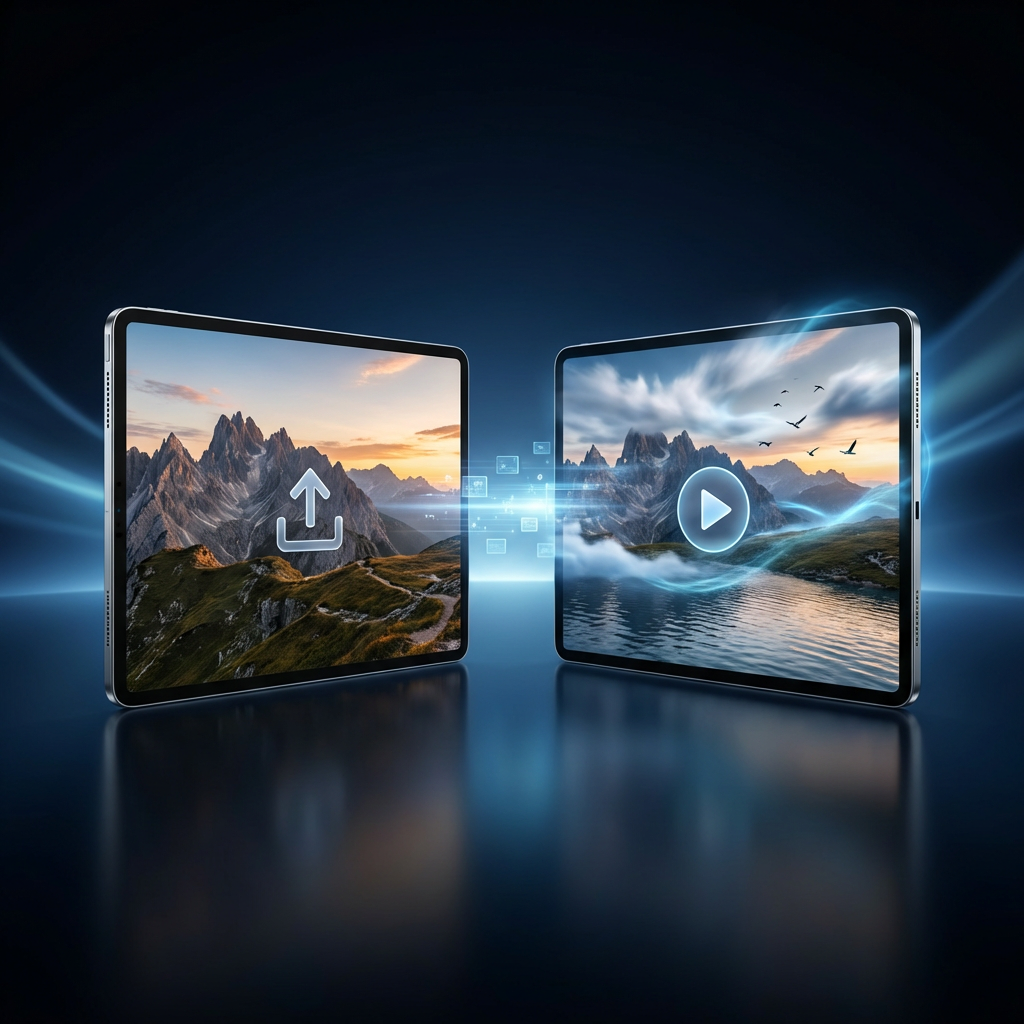
حوّل صورة شخصية أنمي إلى فيديو رقص
حمّل شخصية أنمي، واختر نموذج حركة، ثم ابتكر مقطع رقص فيديو من صورة باستخدام خط أنابيب فيديو anime2 في LlamaGen.
قوالب الحركة
الترجمة التلقائية
196 / 2000
Explore examples, workflow details, and practical guidance
قوالب رقص الأنمي.
ضبط مدة التنسيق والصيغة
خط إنتاج anime2 موجود
سير العمل
أنشئ، وولّد، ثم راجع
حمّل صورة أنمي
اختر صورة شخصية واضحة ويفضل أن تكون كاملة الجسد مع يدين وقدمين وزي سهل القراءة.
اختر الحركة
اختر قالب الأيدول أو الشارع أو الحركة الأنمي أو الأناقة، ثم عدّل تعليمات الرقص والحركة وزوايا الكاميرا.
إنشاء فيديو
أرسل عن طريق سير عمل anime2، راقب حالة الإنشاء، ثم راجع الهوية، الأطراف، الزي، التوقيت وجودة الحلقة.
الإخراج الفني
ما يجب تعديله بعد المسودة الأولى
تدفق صورة إلى فيديو أنمي حقيقي
يرسل المولد الصورة والوصف والنموذج والمدة والدقة ونسبة العرض إلى الارتفاع إلى /api/anime2 ويستخدم متابعة الحالة الموجودة.
مكتبة قوالب الحركة
توفر فئات آيدول، الشارع، حركة الأنمي، والأناقة توجيهات رقص أصلية بدلاً من نسخ رقصات معروفة.
تعليمات استمرارية الشخصيات
تطلب القوالب وجهاً ثابتاً، وأطرافاً ويدين متناسقة، وزياً موحداً، وحركة كاميرا مضبوطة.
أوضاع الصور والنصوص
الوضع الافتراضي للصفحة هو صورة إلى فيديو لتحريك الشخصيات مع إبقاء خيار النص إلى فيديو متاحًا حيث يدعمه النموذج المختار.
أمثلة للتوجيهات
قارن الاتجاهات البصرية الكاملة
الأسئلة الشائعة
أسئلة عملية
هل يستخدم مولّد رقص الأنمي بالذكاء الاصطناعي api/anime2؟
نعم. يعيد استخدام تدفق الإرسال والاستطلاع القائمَين في VideoGenerator لدى LlamaGen والمبنيَّين حول /api/anime2.
هل يجب رفع صورة؟
الإعداد الافتراضي للصفحة هو صورة إلى فيديو لأن المسار الرئيسي يحرك شخصية أنمي موجودة. غالبًا ما توفر الصور الكاملة أفضل نتائج الرقص.
هل يمكنني أيضًا الإنشاء من النص؟
نعم. يحتفظ مولِّد الفيديو الحالي بتحويل النص إلى فيديو عندما يدعم النموذج المحدد ذلك، بينما يظل التحويل من صورة إلى فيديو هو الافتراضي لهذه الأداة.
كيف يمكنني الحفاظ على ثبات الشخصية؟
استخدم صورة مصدر واضحة مع أوامر تطلب وجه ثابت، تشريح متناسق، ملابس متسقة، يدين وقدمين واضحتين، وحركة كاميرا مضبوطة.
هل هذه نسخ لحركات رقص مشهورة؟
لا. تصف القوالب صفات الرقص الأصلية فقط مثل الإيقاع، الخطوات، الإيماءات، وتوجيه الكاميرا دون طلب رقصات محمية محددة.
كم يستغرق التوليد؟
المدة تعتمد على النموذج المختار والطابور. تعرض الصفحة تقديرات كل نموذج وتستخدم نقاط حالة anime2 حتى تكتمل أو تفشل اللقطة.
خذ أقوى اتجاه للإنتاج
أنشئ عدة اتجاهات، اختر أوضح فكرة بصرية، ثم دقق التفاصيل قبل النشر أو الطباعة.