Four intensity levels
Start with Auto, then move from Light to Strong only when the source needs more correction.


AI image unblur
Upload a blurry portrait, product, document, or memory and recover cleaner edges and natural detail without changing the original composition.
Unblur your image
Choose the lightest intensity that restores useful detail without creating halos or an artificial sharpened look.
Upload a blurry image
Portrait, product, document, landscape, or old photo
Unblur intensity
Output framing
Matches the first source image to protect the original crop.
Sign in to generate. Review the result before downloading; AI may invent details that are missing from the source.
Uses 300 credits per generation.
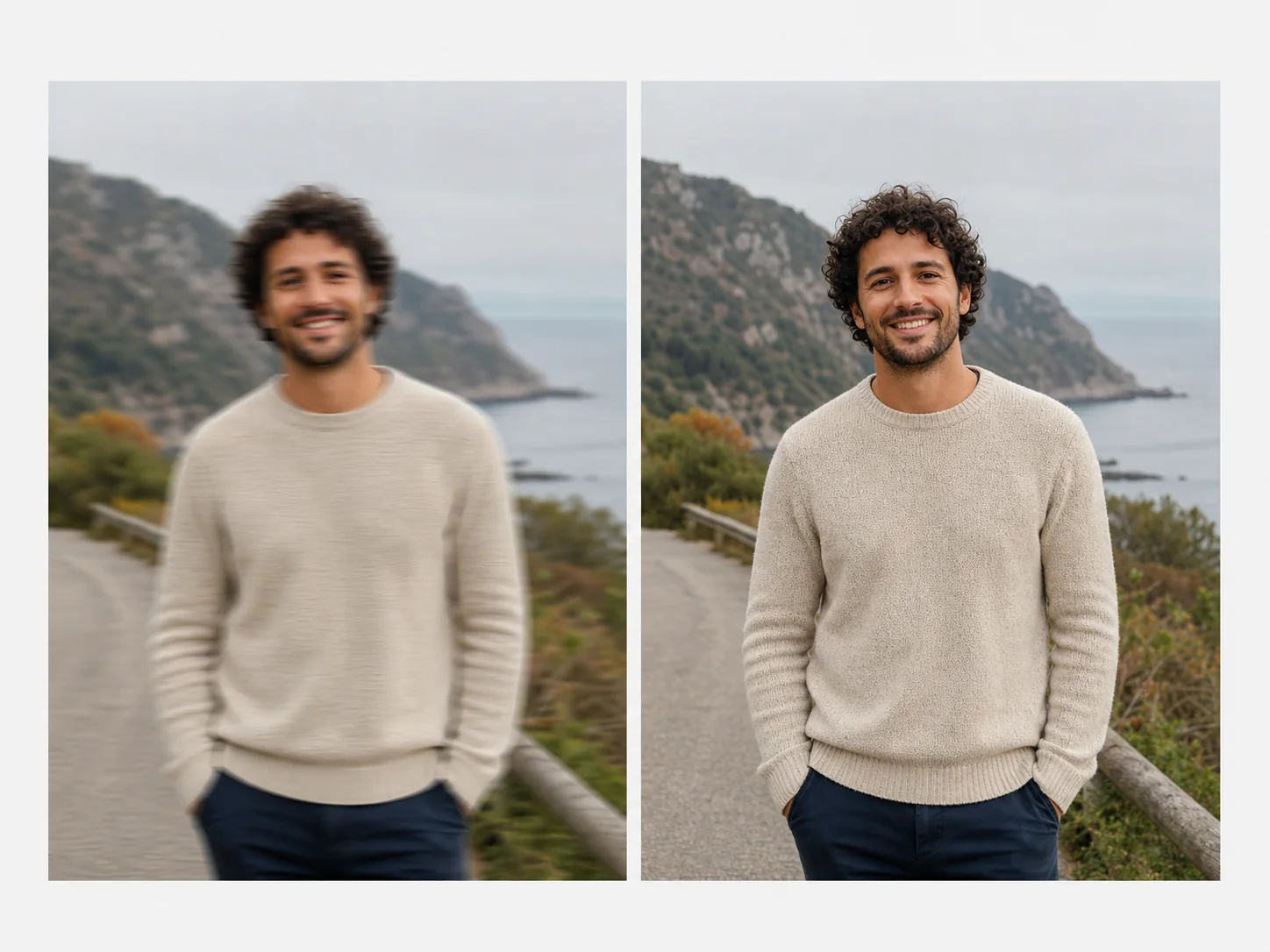
Recover usable clarity
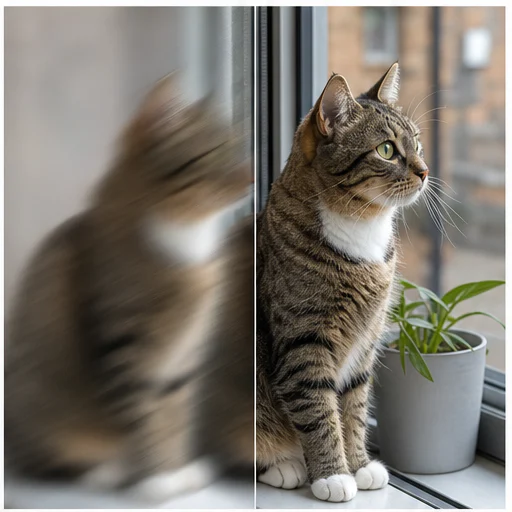
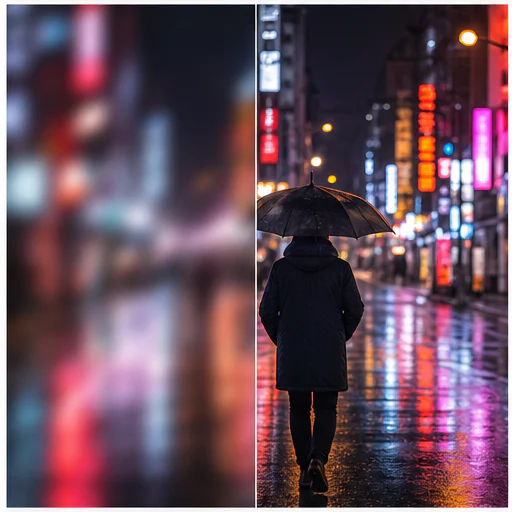
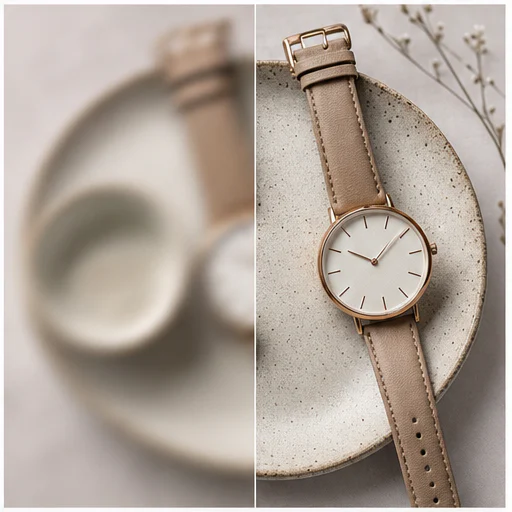
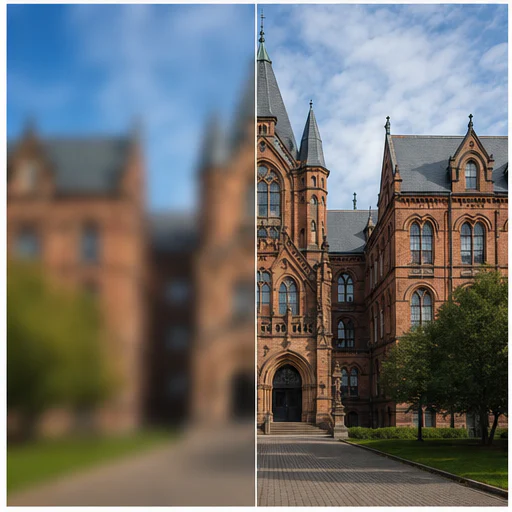
AI unblurring can reduce motion softness, missed focus, and pixel-level blur while preserving the subject, color, framing, and atmosphere of the source.
Strong blur may contain detail that was never captured. Review faces, text, fine patterns, and edges closely so reconstructed detail is not mistaken for original evidence.
Start with Auto, then move from Light to Strong only when the source needs more correction.
Protect identity and natural skin texture while improving eyes, hair, and facial edges.
Improve soft screenshots, labels, receipts, and product edges when enough source detail exists.
The output keeps the source proportions and composition instead of forcing a square crop.
Real examples
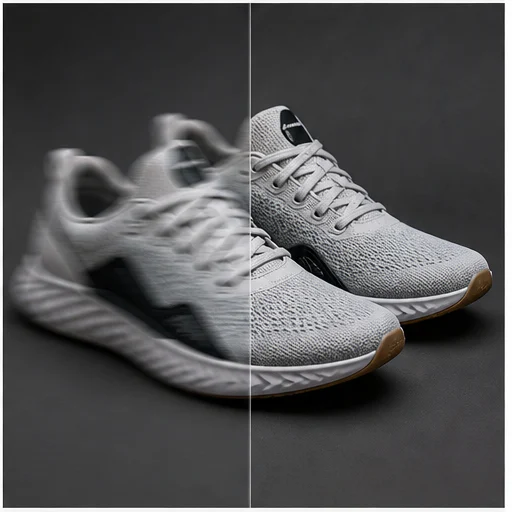
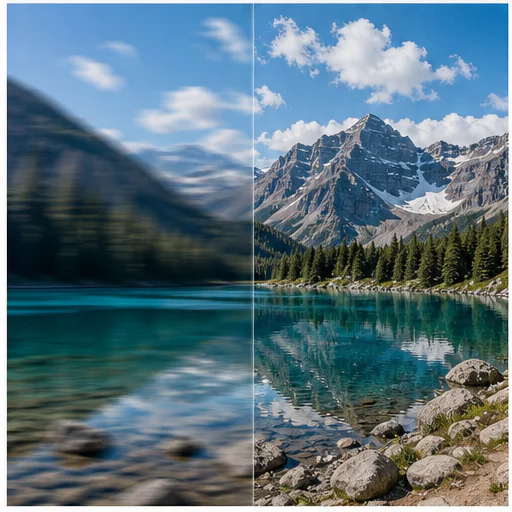
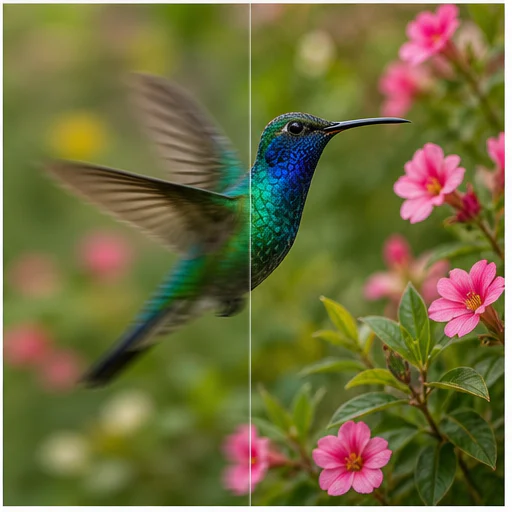
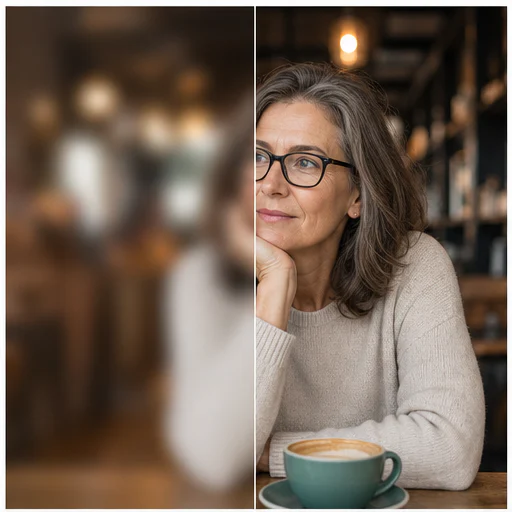
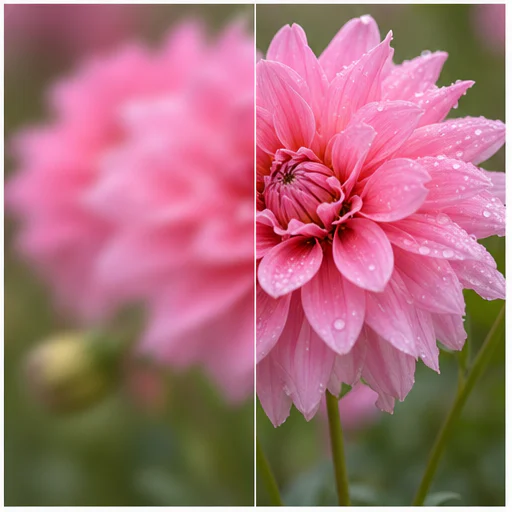
Twelve before-and-after examples cover subject motion, camera shake, missed focus, wildlife, products, architecture, and landscapes.
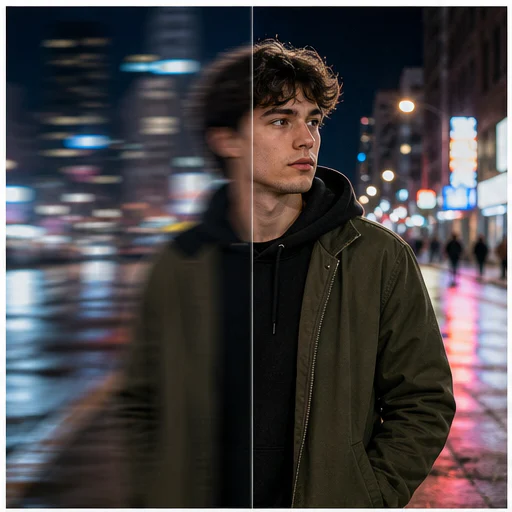
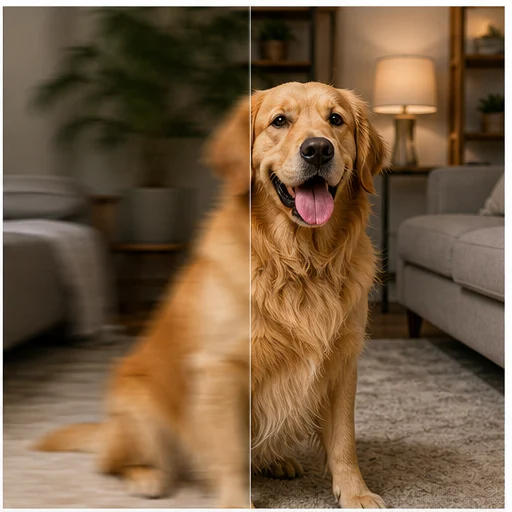
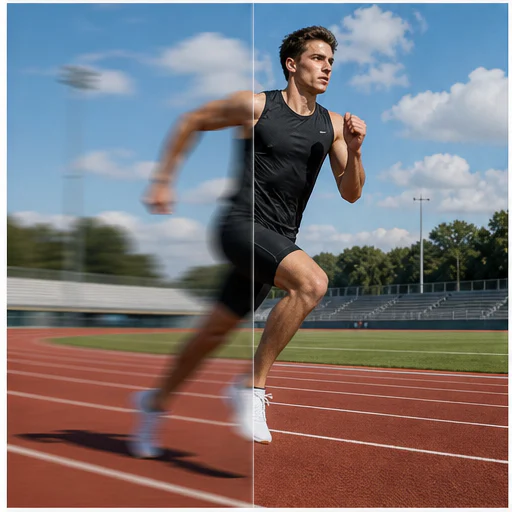
How it works
Follow the short workflow, then inspect the generated details before using or publishing the result.
Choose the highest-resolution version available for the most reliable recovery.
Use Auto first, then increase strength only when important details remain soft.
Compare edges, faces, and text before downloading the clearer result.
Real creator feedback
Read what creators shared about making comics, characters, and visual stories with LlamaGen.

@jake-m
As an avid creator of comic book style graphics, I've struggled to find a tool that truly allows me to unleash my creativity at scale. llamagen.ai not only breaks limits but shatters them, offering endless possibilities for my projects. It's the ultimate AI-powered solution I've been waiting for!
@sarah-l
I've tried numerous AI tools for image generation. And they are quite fun to play with but llamagen.ai is the first app I've actually saw a potential use-case. The character consistency really grabbed my attention as it's something I hadn't seen before and I can see the appeal for professionals and amateurs alike. Truly a game-changer!

@michael-b
llamagen.ai has reignited my passion for storytelling. As a busy professional, finding time to pursue creative projects can be challenging. But this app has proven so easy to use... It's like having a creative companion by my side!

@alex-t
Being part of the creative industry demands efficiency without sacrificing quality. llamagen.ai not only meets but exceeds these expectations. Really loved playing with the storyboarding and having an AI to help with not only image generation, but also the text content - it's really a nice way to help enhance the overall experience.
@maya-s
I enjoy a great comic book and have been very sceptical about AI. For example the criticisms of the Batman AI comic saga where not without merit. But through the scepticism I do see a place for such tools. While I still value an authentic man-made production, the ability for me to create something on my own (with a little help from AI) is really empowering and exciting.
@taylor-h
Maintaining character consistency is a challenge that I did not expect to be overcome so fast. While not perfect at times, the results are impressive and I’m really looking forward to the chance to further customize my workflow and AI generation.
Practical workflows
Keep the generated image as a reviewable draft, reference, or finished asset according to the needs of the job.
Portraits
Make a useful expression or candid portrait easier to view and share.
Commerce
Improve edge definition and surface detail in authorized product images.
Documents
Make screenshots, signs, labels, and scanned pages easier to inspect.
Memories
Reduce softness in family and archive photos while keeping the original character.
Review notes
Deblurring is a reconstruction task. Use the result as an improved visual, not as proof of detail that the source did not record.
identity and expression remain recognizable
edges are clearer without bright halos
skin and fabric still have natural texture
text is not replaced with invented characters
background depth of field remains believable
the original crop and color are preserved
FAQ
Practical answers about source images, generated results, rights, and review.
No. Mild motion blur and soft focus usually respond best. Severe blur or missing pixels may not contain enough evidence for faithful recovery.
Start with Auto. Use Light for subtle softness and reserve Strong for images that remain clearly blurred after a lower setting.
The tool sends match-input framing so the result follows the source proportions and crop.
Related tools
Move from this focused edit into the next photo or fashion task.
Upload a portrait, selfie, or group photo and reconstruct naturally open eyes while preserving identity, expression, lighting, people, and the original crop.
Upload a noisy low-light, compressed, scanned, or generated image and reduce grain while preserving edges, texture, and the source atmosphere.
Upload a faded, scratched, blurry, or timeworn photo and create a clearer restoration that protects faces, clothing, history, and the original composition.
Upload one clear portrait, choose a haircut and optional color, then generate a realistic preview that keeps your face, expression, clothing, and background recognizable.
Start with your image
Upload one soft image, choose an intensity, and create a clearer version in a short workflow.