Problem
The best AI image editor is not the one with the longest feature list; it is the one that changes the requested thing without breaking identity, lighting, or composition.


Evaluate AI image editors by control, identity preservation, prompt clarity, creative limits, and whether edited results are reusable. Try for free with free credits. Check in daily to earn more. No credit card required.
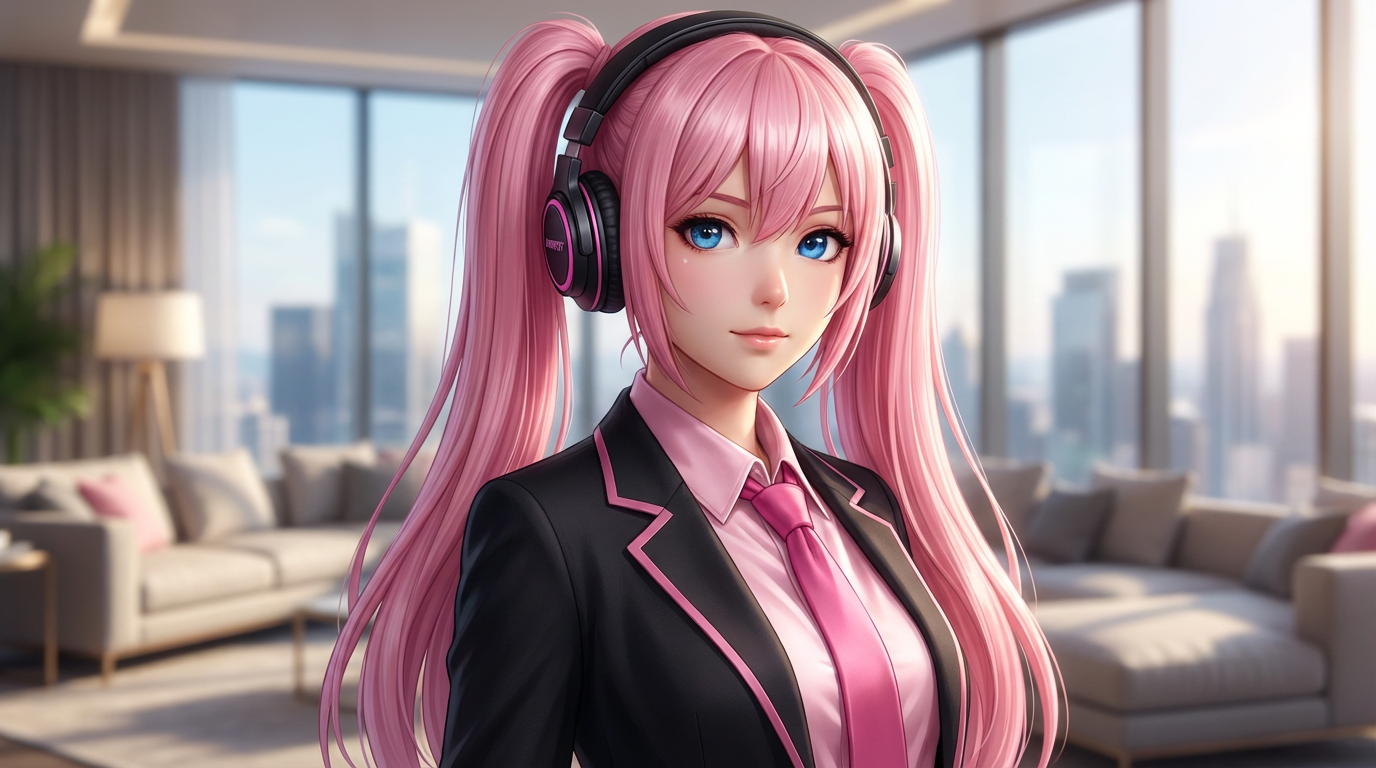
Match your starting point to a clear output, workflow, and quality bar before opening the generator.
The best AI image editor is not the one with the longest feature list; it is the one that changes the requested thing without breaking identity, lighting, or composition.
Creators comparing editors for outfit changes, character variants, cover refinement, merch mockups, profile images, and campaign assets.
A practical evaluation checklist for choosing an AI image editor that supports controlled creative iteration.
Decide whether you have only a text idea, a reference image, an image that needs editing, or a frame that should become video.
Describe the allowed creative direction, what must stay unchanged, and the final output format. Keep the request specific and rights-aware.
Create the image, check identity preservation, edit boundaries, prompt controllability, retry flow, and export-ready quality, then continue into editing, image-to-image, or image-to-video if needed.
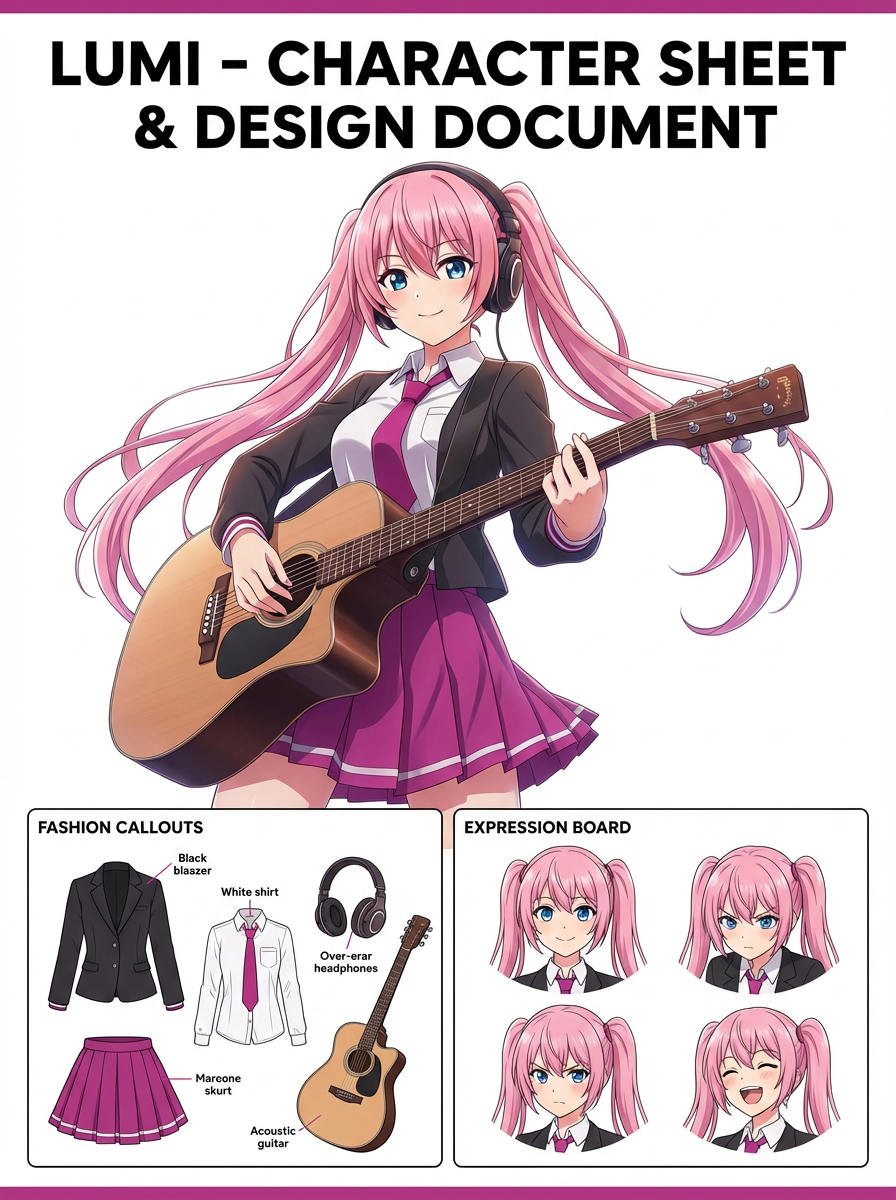
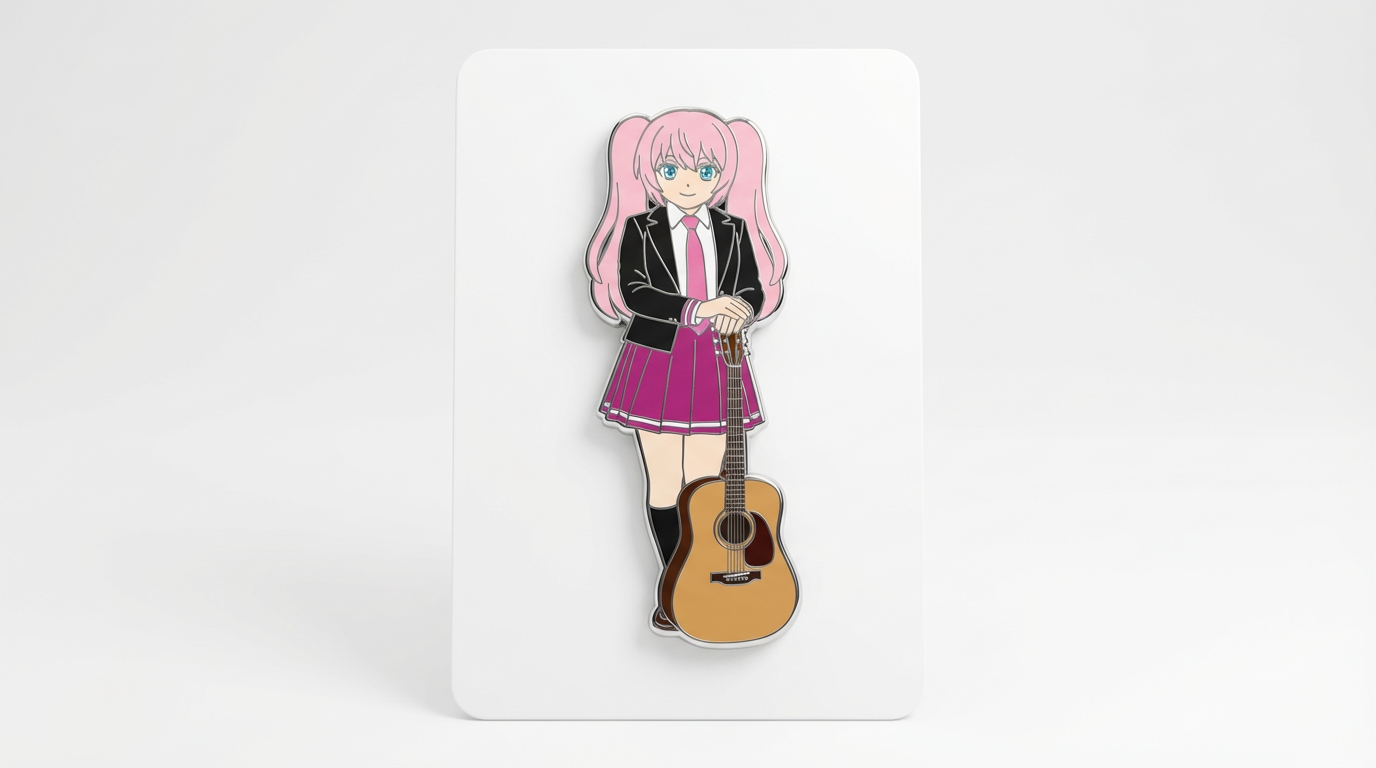
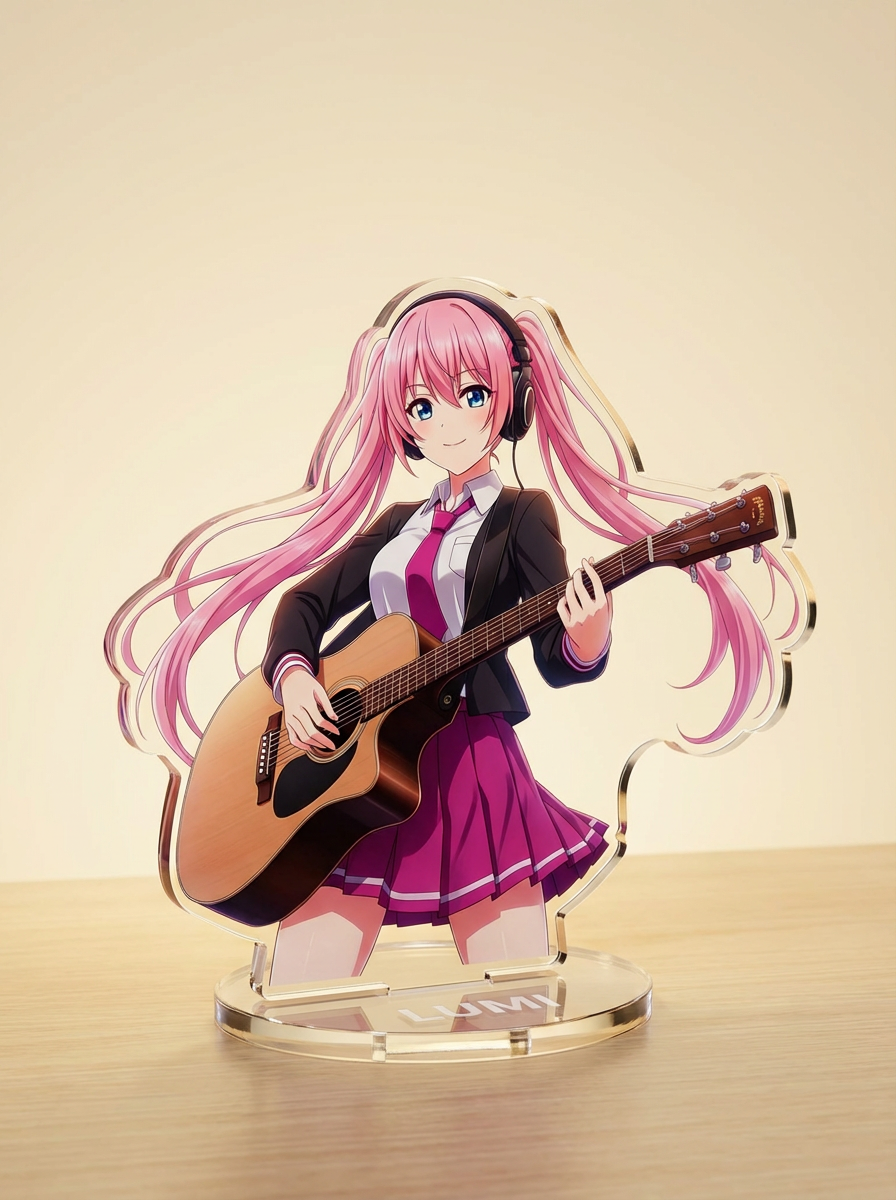
The page turns a broad trend query into clear selection criteria, prompt examples, limits, and next steps.
A good editor should make the requested change while preserving the rest of the image.
Faces, outfits, proportions, and brand marks should stay stable across revisions.
Useful editors explain what they can change, what needs manual design work, and where safety rules apply.
Use these examples as a practical starting point, then replace the subject, format, mood, and constraints with your own creative brief.
I want choosing an AI image editor for character, cover, thumbnail, merch, or campaign updates. Recommend whether I should start with text-to-image, image-to-image, AI image editor, or image-to-video. Explain the input I need and the first image prompt to try.
Create AI image editor evaluation with one controlled edit, preserved identity, matched lighting, clean edges, and a final crop that fits the destination. Keep the request specific, preserve the important subject details, and make the output useful for choosing an AI image editor for character, cover, thumbnail, merch, or campaign updates.
This adds the constraints that generic image-generation prompts usually miss.
Review this AI image result for identity preservation, edit boundaries, prompt controllability, retry flow, and export-ready quality. Suggest the next edit if I need a cleaner, more reusable final asset.
This makes the page helpful after the first generation, not only before the click.
These checks keep the page useful for real creators and prevent broad trend pages from becoming thin keyword swaps.
The page should guide users toward text-to-image, image-to-image, editing, or video based on what they actually need.
Free, editor, and clear-limits searches need honest guidance about safety, credits, rights, and practical output limits.
Users should know to check identity preservation, edit boundaries, prompt controllability, retry flow, and export-ready quality before publishing, downloading, or reusing the image.
A helpful page tells users when to generate, when to edit, when to use a reference image, and when to move to image-to-video.
Avoid claims that imply unlimited generation. Useful creative freedom works best with clear scope and quality checks.
Yes. Start your free trial with free credits and earn more free credits through daily check-ins. No credit card is required. Sign in to manage your credits. Generation costs and model availability vary; paid plans offer more credits and additional export options.