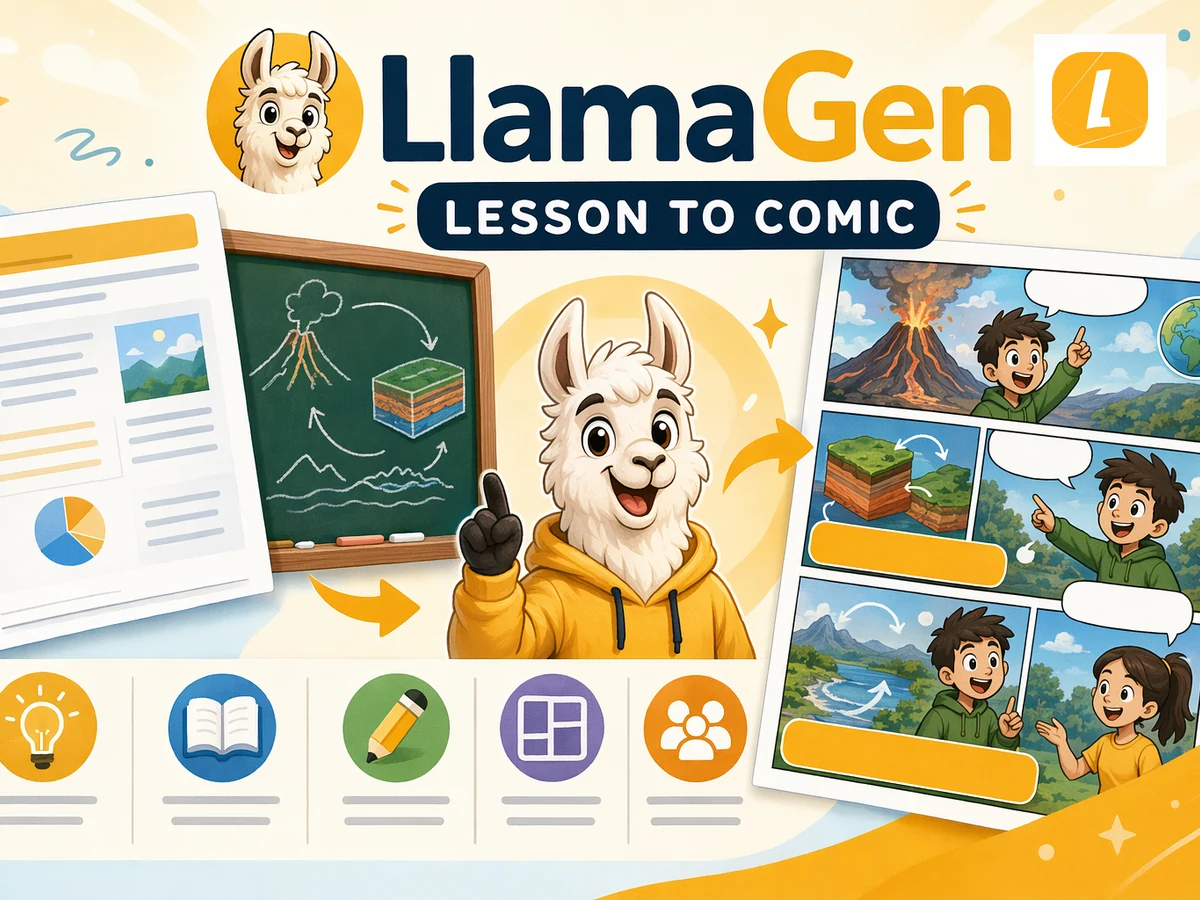
Choose one learning objective
Focus the strip on a single concept students should explain, practice, or remember.


Turn vocabulary, science processes, historical events, and social-emotional lessons into short visual narratives students want to read and create.
Designed for clear learning goals, age-appropriate language, and active participation
Made to inspire
Use sequential art to explain, compare, retell, and reflect—while giving learners a concrete structure for their ideas.
Simple workflow
Focus the strip on a single concept students should explain, practice, or remember.
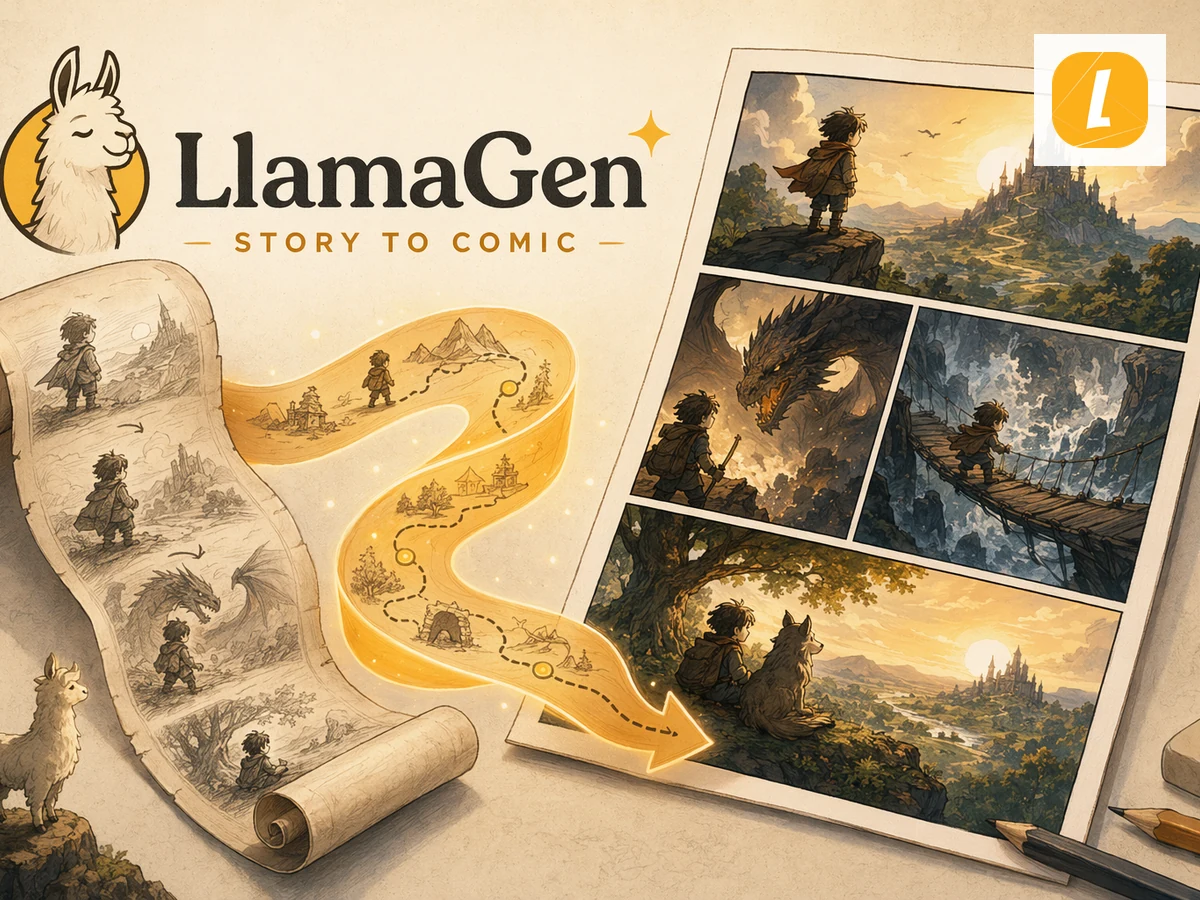
Map the idea into a clear beginning, development, and conclusion before adding dialogue.
Make the language age-appropriate and ask students to explain what changes from panel to panel.
Designed for visual thinkers
Show cause and effect, sequence, perspective, and change through concrete scenes.
Panels create manageable spaces for short dialogue, labels, and narration.
Students can remix the ending, correct a misconception, or retell content in their own words.
FAQ
Language arts, history, science, health, world languages, and social-emotional learning all work well when content can be divided into scenes or steps.
Four to six panels are often enough for one concept. Use more only when the learning goal truly needs additional steps.
Yes. Give students a goal, vocabulary list, or required story beats, then let them choose characters and dialogue.
Start with a direction. Make every frame your own.