

Korean Manhwa Style: Turn a Dramatic Moment into Color Panels
Example preview
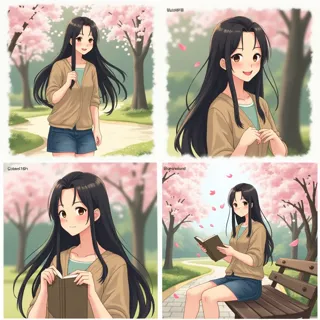
Start a Korean manhwa-style scene with vibrant color, soft shading, and cinematic lighting. Plan the decision, reaction, and consequence so the page carries a readable dramatic moment.
For short character-centered scenes in a detailed color-comic look. This is a visual style preset rather than a fixed panel layout or a complete Korean-language script.
When to use this template
- An urban confrontation between two original characters
- A turning-point scene for a serial comic draft
- A color study comparing daytime and nighttime drama
Build your first draft
Choose the turning point
Describe the exact choice the scene must show. Keep background lore separate from the actions that readers will actually see.
Build a shot sequence
Begin with a location cue, move into the decision, and finish with a reaction. Request the desired panel arrangement explicitly.
Check visual emphasis
Make sure the important prop and expression remain visible. Rework lighting if it hides the action behind decorative effects.
Try a complete example
The returned sketchbook
Three color manhwa panels: a student in a burgundy jacket waits at an evening bus stop; another student returns a rain-damaged sketchbook; the owner opens it and discovers a carefully dried drawing. Vibrant city reflections, soft cinematic light, expressive hands, same faces in all shots, no generated lettering.
The sketchbook gives the scene a concrete change of ownership and an emotional consequence. Lighting supports that discovery instead of becoming the whole subject.
Before you publish
- Korean manhwa styling does not automatically supply Korean dialogue or reading direction.
- Request a separate setting shot when close-ups make the scene’s geography unclear.
Questions about this template
- How is this different from a layout template?
- It describes a rendering style. A layout template specifies a panel arrangement; here you should state the number and reading order you need.
- Does the template translate dialogue?
- The source contains visual directions rather than a translated script. Prepare and check dialogue separately in the language of your audience.
- Can I continue the story over several pages?
- Reuse a concise cast description and a stable setting reference. Inspect each page for changes in clothing, objects, and facial features before continuing.