

Action Manhwa Template: Make a Fight or Chase Easy to Follow
Example preview
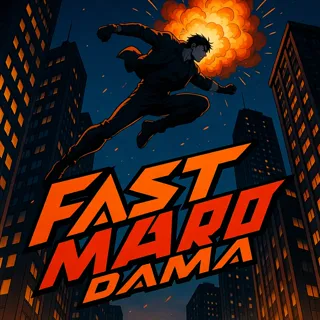
Plan a dynamic color manhwa sequence with clear attack direction, reactions, and spatial continuity. Build energy from visible cause and effect rather than effects alone.
For creators staging original action scenes. The source establishes a detailed, vibrant manhwa look, but you must define the poses, geography, and progression of the encounter.
When to use this template
- A rooftop pursuit with a stable screen direction
- A training duel showing an attack and counter
- A rescue sequence that tracks a moving object
Build your first draft
Establish positions
Place the characters, obstacle, and destination in a wide shot. Give each character an easily distinguished silhouette or color.
Write cause and effect
Separate preparation, movement, and response into visible beats. Specify who acts first and where the other person moves.
Inspect physical continuity
Check limbs, contact points, and the direction of motion. Replace impossible poses before adding speed lines or dramatic lighting.
Try a complete example
The training bell
Four color manhwa panels in a bright training hall: a red-sashed trainee lunges for a hanging bell; a blue-sashed rival blocks the path; the trainee slides under an outstretched arm; the bell swings as both laugh. Left-to-right motion, clear floor plane, cinematic lighting, no weapons or generated text.
The bell is a fixed objective that makes the movements understandable. Distinct sashes reduce confusion when poses overlap.
Before you publish
- Speed lines should reinforce an action already clear in the silhouette.
- Generated anatomy and contact need inspection; separate complex poses into smaller beats if necessary.
Questions about this template
- Can this make nonviolent action?
- Yes. Chases, competitions, obstacle courses, and rescues use the same timing and spatial clarity as fight scenes.
- How do I keep characters from swapping positions?
- State their starting positions and movement direction in the prompt. Reuse a landmark in successive frames and check the final result for unintended reversals.
- Should I request many moves at once?
- Start with one short exchange. A prompt listing several attacks in a single frame tends to lose the cause-and-effect relationship that makes action readable.