

Anime Comic Template: Give a Broad Style a Specific Scene
Example preview
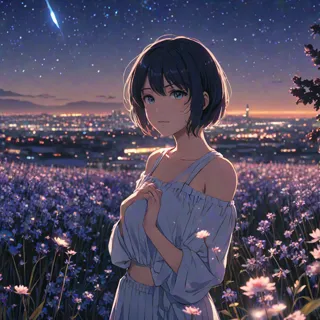
Start an anime-inspired comic by defining an original cast, setting, and visible event. Add concrete art direction so the broad anime style cue produces a useful narrative draft.
For creators who want an anime look without a specialized genre or panel arrangement. The source prompt is simply Anime style, so your scene description carries most of the creative direction.
When to use this template
- An original character’s first encounter with a new place
- A short slice-of-life scene with expressive reactions
- A color and lighting study for a future comic series
Build your first draft
Write a compact character brief
Describe a few stable traits such as hairstyle, jacket, and a signature prop. Avoid a long list that competes with the scene action.
Define an event
Specify what changes from the first panel to the last. Choose your panel count and camera sequence explicitly.
Tune the visual direction
Add a palette, line treatment, and lighting choice, then inspect the result. Replace vague mood words with visible details where needed.
Try a complete example
The observatory door
Three anime comic panels: an apprentice in an oversized navy coat climbs a hill holding a brass key; opens a round observatory door; sees a telescope aimed at a bright crescent moon. Clean cel-shaded color, cool night palette with warm interior light, original architecture and character, no text.
The key and door make the scene specific. The warm-to-cool light contrast provides stronger direction than the broad anime label alone.
Before you publish
- This preset does not lock a particular era, studio style, or reading direction; request the features you need.
- Check that recurring details survive changes in camera angle before building a longer series.
Questions about this template
- Is a story included?
- No. The source is a broad visual label. Supply the cast, actions, and panel structure so the page has a purpose beyond looking anime-inspired.
- Can I choose a subgenre?
- Yes. Describe the setting and visual features directly, such as school-life daylight, science-fiction equipment, or soft fantasy backgrounds.
- How do I avoid a generic result?
- Specify one memorable prop, an observable choice, and a clear lighting scheme. Those decisions give the model more useful information than adding several similar style adjectives.