

Manhwa Explorer Adventure: Reveal a Place Through Discovery
Example preview
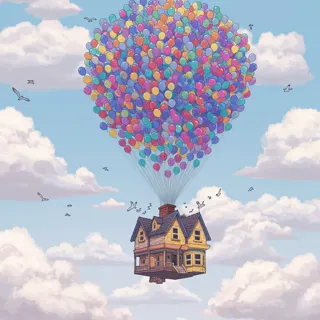
Combine refined manhwa lines with soft light and atmospheric depth for an exploration scene. Lead readers from a visible clue toward a discovery that changes the journey.
For a character-led expedition or discovery sequence. The source combines traditional manhwa linework with smooth gradients and soft lighting, which suits layered environments and measured reveals.
When to use this template
- An explorer following a clue through a ruined garden
- A travel-fantasy scene built around a landmark
- A quiet discovery sequence with foreground and background depth
Build your first draft
Define the clue
Choose a visible sign, object, or repeated shape that points toward the discovery. Give the explorer a consistent silhouette.
Reveal depth in stages
Move from a close detail to a path and then a wider destination. Reuse the clue so the sequence feels connected.
Check the discovery
Make the final landmark distinct from the earlier background. Reduce fog or glow if it hides the information readers need.
Try a complete example
The spiral stones
Softly lit manhwa adventure in four frames: an explorer with a rust-colored backpack notices a spiral carved into a stone; follows matching stones beneath ferns; passes between two weathered pillars; discovers a sunlit circular observatory. Refined linework, smooth gradients, layered foreground plants, no text.
The spiral connects the clue to the destination. A staged change in scale creates discovery without requiring a dramatic fight or an explanatory map.
Before you publish
- Atmospheric haze should separate depth, not hide the path or clue.
- Check that repeated symbols remain recognizable when the angle changes.
Questions about this template
- Is this an action-adventure preset?
- Its source emphasizes refined lines, gradients, and soft light. It is particularly useful for discovery and atmosphere; add explicit movement directions if you want a chase or combat scene.
- How do I make scenery tell a story?
- Place a clue in the foreground and show how the explorer follows it. A landscape becomes part of the narrative when the character makes a decision because of what is visible.
- Can I use a real travel destination?
- You can reference a place you know, but verify landmarks and geography yourself. Generated environments may combine details or invent routes.