

Shonen Manga Template: Turn Determination into a Visible Action
Example preview
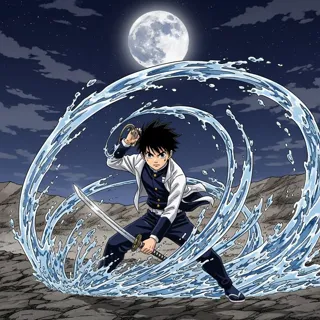
Build an energetic original manga scene around a challenge, setback, and renewed effort. Use expressive poses and clear stakes so the emotion comes from the action.
For a high-energy sports, adventure, or training moment. The stored prompt is a broad shonen style cue; it does not supply a hero, tournament, or finished plot.
When to use this template
- A training scene where persistence changes the result
- A team-sport moment about trusting a teammate
- An adventure beat where a hero chooses to help
Build your first draft
Define the challenge
Give the hero one measurable objective, such as reaching a bell or passing a ball. Show the starting difficulty in the first shot.
Show the setback
Use a failed attempt or a difficult choice to make effort visible. Keep the same prop and location across the sequence.
Earn the final beat
Let the ending follow a changed action rather than a sudden unexplained power. Review expressions and motion direction before adding dialogue.
Try a complete example
The final practice pass
Five energetic manga panels: a young goalkeeper misses a training ball; notices a teammate signaling; plants one foot firmly; dives and redirects the next ball toward that teammate; both celebrate a clean pass. Original uniforms without emblems, bold action lines, close-up determination, clear field geography, no text.
The hero changes technique and cooperates with a teammate. This creates a concrete emotional arc rather than asking only for a passionate expression.
Before you publish
- Keep exaggerated energy consistent with the physical action; inspect hands, feet, and the moving object.
- A familiar genre does not require familiar franchise characters; define an original cast.
Questions about this template
- Does shonen mean combat only?
- No. Sports, friendship, craft practice, and rescue scenes can use energetic pacing and determined characters without a fight.
- How do I show determination visually?
- Pair a clear setback with a changed attempt: a new stance, a request for help, or a deliberate choice. A close-up works best when readers already understand the challenge.
- Can I create a whole chapter at once?
- Start with one short sequence and review its cast and action. Expand from a stable scene rather than asking a single image to resolve an entire chapter.