

Problem
Searchers asking for no restrictions usually want fewer surprise blocks, clearer editing rules, and more predictable creative control.
Use AI image editing with clear creative controls: preserve identity, change specific details, understand safety limits, and avoid vague blocked workflows.
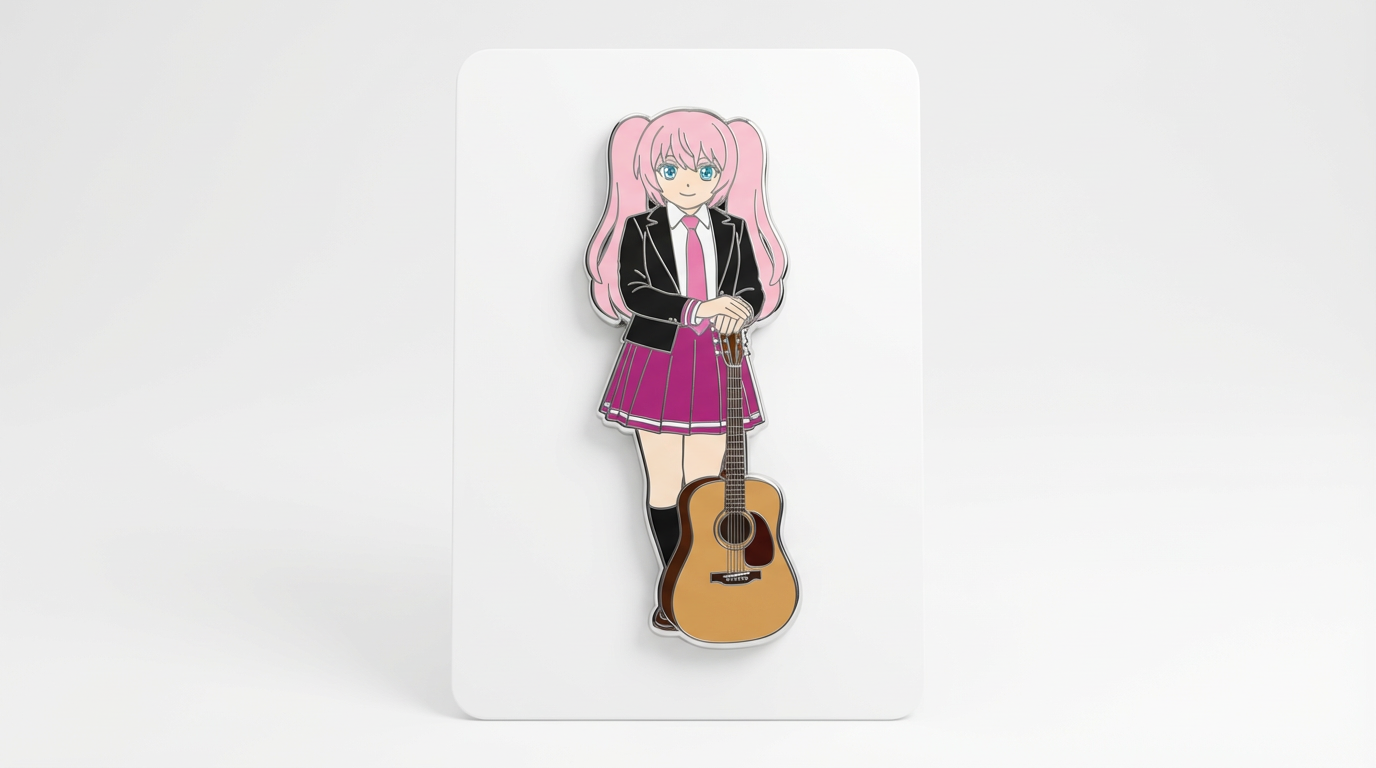
Match your starting point to a clear output, workflow, and quality bar before opening the generator.
Searchers asking for no restrictions usually want fewer surprise blocks, clearer editing rules, and more predictable creative control.
Creators who need transparent image-editing workflows for character edits, profile assets, campaign variants, covers, and reference-based transformations.
A safer editing workflow that explains what can be changed, what should be preserved, and how to work within clear creative limits.
Start with the user's real intent, define AI image editor with clear controls, and check whether the result is practical before reuse.
Decide whether you have only a text idea, a reference image, an image that needs editing, or a frame that should become video.
Describe the allowed creative direction, what must stay unchanged, and the final output format. Keep the request specific and rights-aware.
Create the image, check whether the requested edit is specific, allowed, identity-preserving, and useful for the final asset, then continue into editing, image-to-image, or image-to-video if needed.
Example directions for AI image editor with clear controls searches and related image-generation decisions.
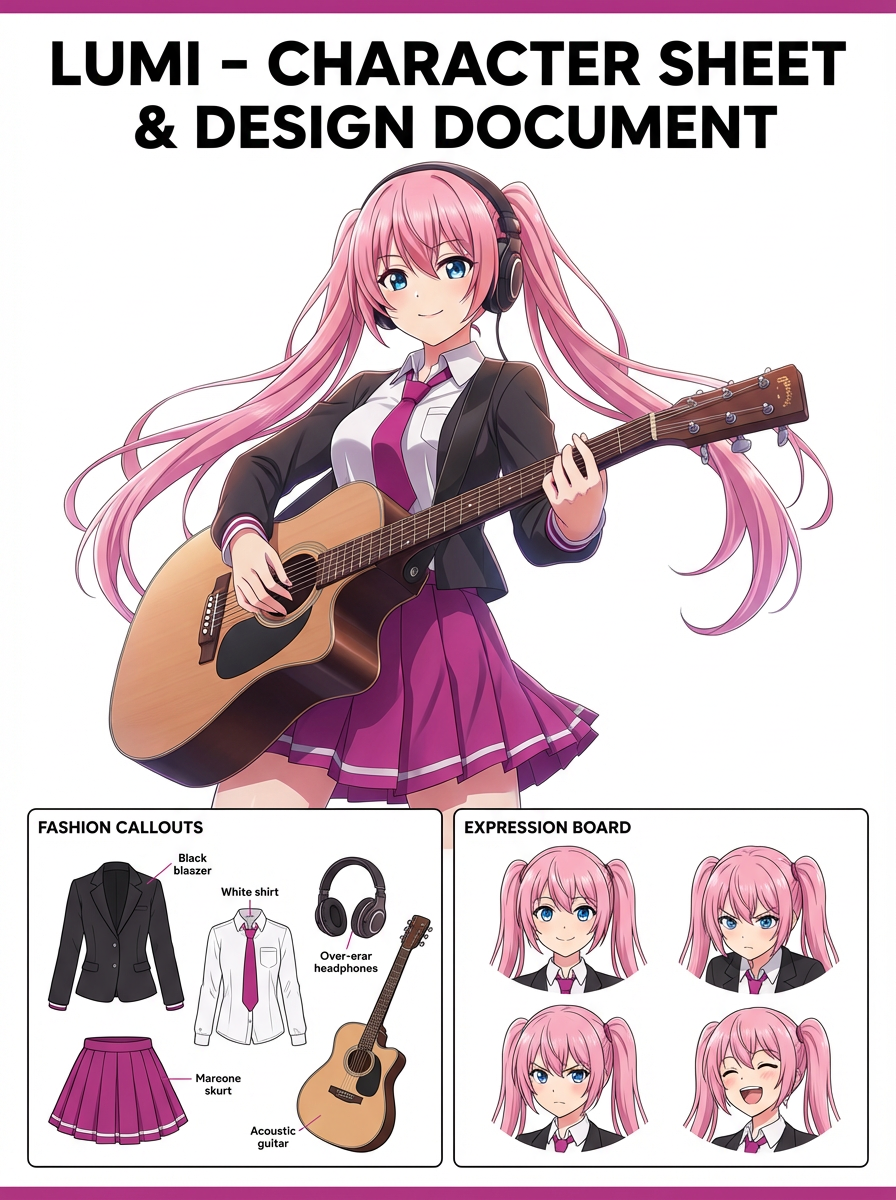

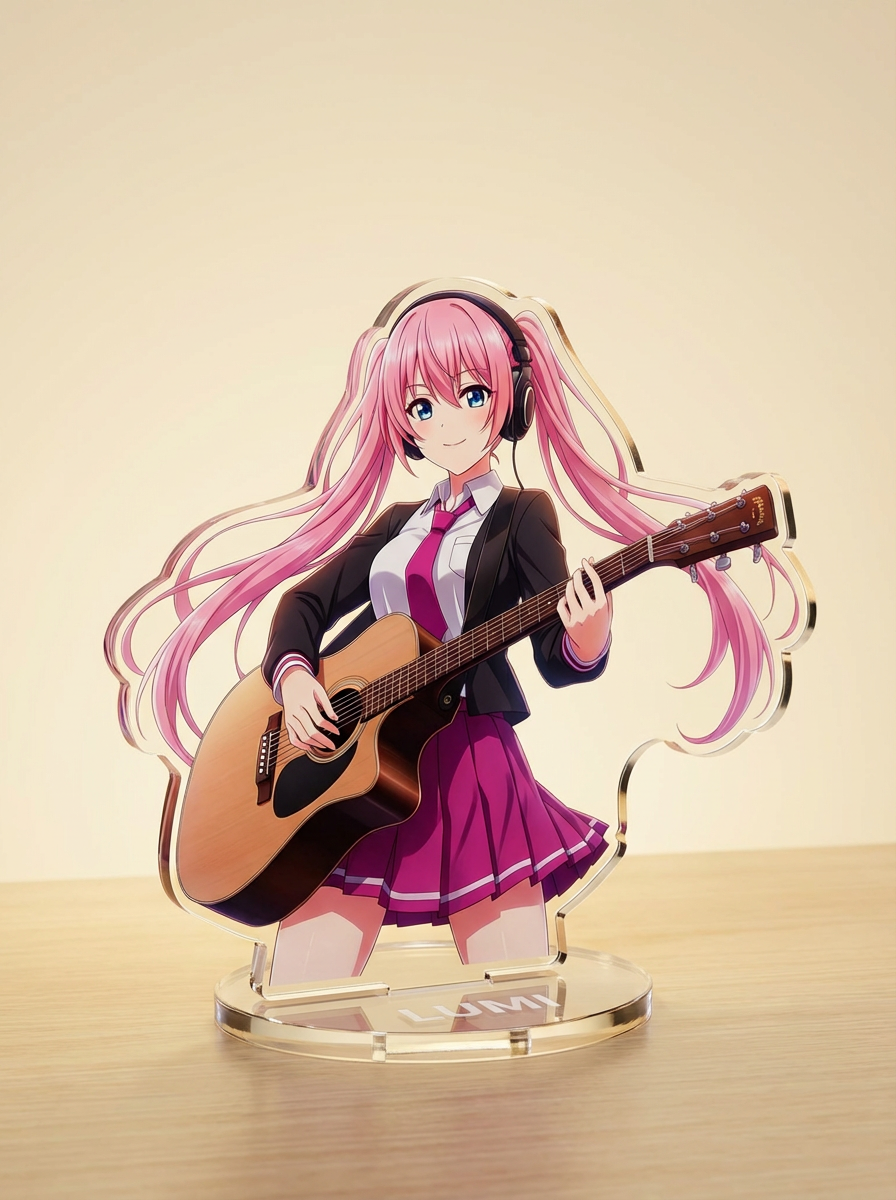
The page turns a broad trend query into clear selection criteria, prompt examples, limits, and next steps.
The page explains the creative edit goal and quality bar before the user opens the generator.
Change one or two things at a time: outfit, background, crop, lighting, style, or asset format.
The workflow supports broad creative editing while avoiding promises that unsafe or illegal requests will be accepted.
Use these examples to move from a broad search term into a specific generation, editing, or evaluation task.
I want editing an existing image without losing the subject or running into unclear creative limits. Recommend whether I should start with text-to-image, image-to-image, AI image editor, or image-to-video. Explain the input I need and the first image prompt to try.
This turns a broad search into a specific creative workflow before the user wastes generations.
Create AI image editor with clear controls with a specific edit request, preserved identity, clear allowed creative direction, no misleading unsafe promise, and a reusable final asset. Keep the request specific, preserve the important subject details, and make the output useful for editing an existing image without losing the subject or running into unclear creative limits.
This adds the constraints that generic image-generation prompts usually miss.
Review this AI image result for whether the requested edit is specific, allowed, identity-preserving, and useful for the final asset. Suggest the next edit if I need a cleaner, more reusable final asset.
This makes the page helpful after the first generation, not only before the click.
These checks keep the page useful for real creators and prevent broad trend pages from becoming thin keyword swaps.
The page should guide users toward text-to-image, image-to-image, editing, or video based on what they actually need.
Free, editor, and no-restrictions searches need honest guidance about safety, credits, rights, and practical output limits.
Users should know to check whether the requested edit is specific, allowed, identity-preserving, and useful for the final asset before publishing, downloading, or reusing the image.
A helpful page tells users when to generate, when to edit, when to use a reference image, and when to move to image-to-video.
Avoid claims that imply unlimited generation. Useful creative freedom works best with clear scope and quality checks.
No. Here it means clearer creative controls and fewer vague workflow surprises, while still respecting safety, rights, and allowed-use limits.
Move to the neighboring workflow when your intent changes from broad tool research to generation, editing, reference transformation, or video.
These nearby intents help users choose the right workflow instead of landing on a page that only half-matches their need.