Act and sequence map
Compare setup, escalation, midpoint, crisis, climax, and resolution across the full story at a glance.


Turn scenes, beats, character pressure, locations, and turning points into a readable story map. Find pacing gaps early, then open the exact sequence that needs revision or visualization.
Opens the LlamaGen storyboard project workspace.

Northline / visual direction
One story world, carried from screenplay to production.
See the story at a glance
Map acts, scenes, turning points, character pressure, and setup/payoff in one view. Every card stays connected to the screenplay so you can move from diagnosis to the exact scene that needs work.
Compare setup, escalation, midpoint, crisis, climax, and resolution across the full story at a glance.
Track scene purpose, value change, length, location, and character focus to find repetition or missing pressure.
Open a weak or important sequence and turn its beats into shot ideas, references, and storyboard frames.
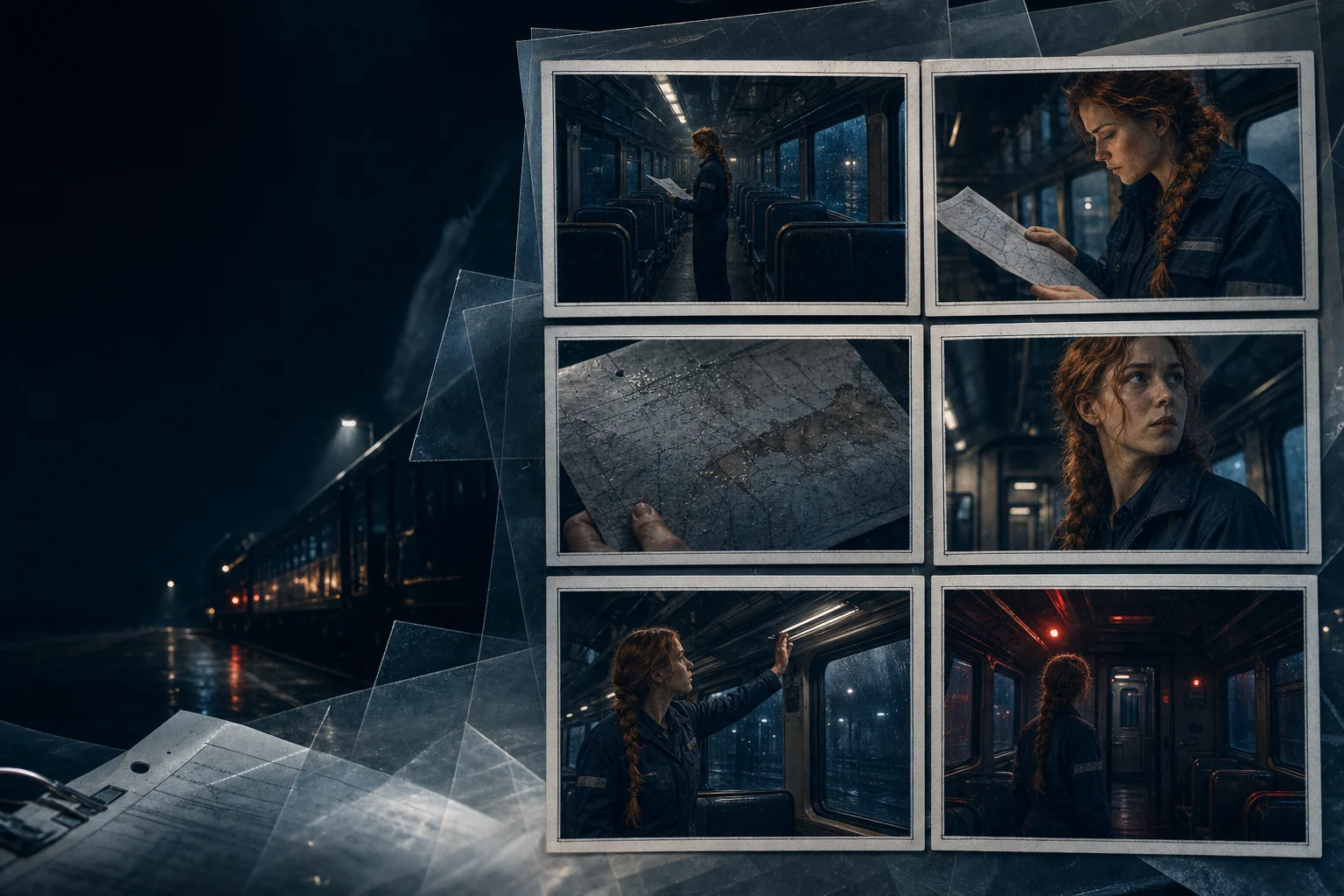
Worked example · Readable structure
A visual timeline helps you notice long stretches without escalation, isolated characters, repeated locations, or beats that arrive without setup. The writer decides what those patterns mean.
The workflow
Start with the whole story, then move toward the smallest scene or beat that can solve the problem.
Place the inciting event, first commitment, midpoint, crisis, climax, and the emotional change that connects them.
Ask whether each scene creates the condition for the next, or simply repeats information and mood.
Focus writing and storyboard work on the scenes that carry reversals, decisions, and setup/payoff chains.
Explore the connected workflow
AI Script Doctor
Review structure, character drive, scene function, pacing, theme, and dialogue with a diagnosis-first workflow that turns vague notes into prioritized, executable revision choices.
Scenes, beats, props, and locations
Organize the pieces that make a scene playable and visual: dramatic beats, recurring locations, hero props, character presence, and the continuity notes that connect one moment to the next.
Storyboard coverage planning
Turn one approved screenplay scene into a reviewable coverage plan: map story beats to shot purpose, framing, screen direction, continuity risks, and an intentional shot order. This workspace is for pre-production decisions, not one-click storyboard generation.
FAQ
It should help you compare acts, sequences, scenes, beats, character focus, locations, value changes, and setup/payoff relationships without disconnecting from the actual draft.
No. Beat frameworks are diagnostic rulers, not mandatory templates. Use the framework that explains your story problem and ignore the parts that do not serve your intent.
It identifies the scenes that carry the strongest turns, clarifies the beat order inside a sequence, and helps you invest visual effort where it will matter most.
Write or import a scene, shape its structure, and turn the screenplay into a storyboard you can refine, share, present, and export.