



All posts
How to Start a Comic Story: A 10-Minute Workflow for Your First Comic Idea

Jay
July 5th, 2026
Most comic ideas do not fail because they are bad. They fail because they are still too vague to draw.
"A boy discovers magic" is not a comic story yet. "A shy delivery boy finds a glowing letter that only appears when he lies" is much closer. A comic needs visible action, a character who wants something, a conflict that can play out in scenes, and a hook that makes the reader turn the page.
This guide gives you a fast way to start. In about 10 minutes, you will create one useful output:
A one-paragraph comic story with a clear character, conflict, and hook.
That paragraph becomes the input for the next step: character creation.
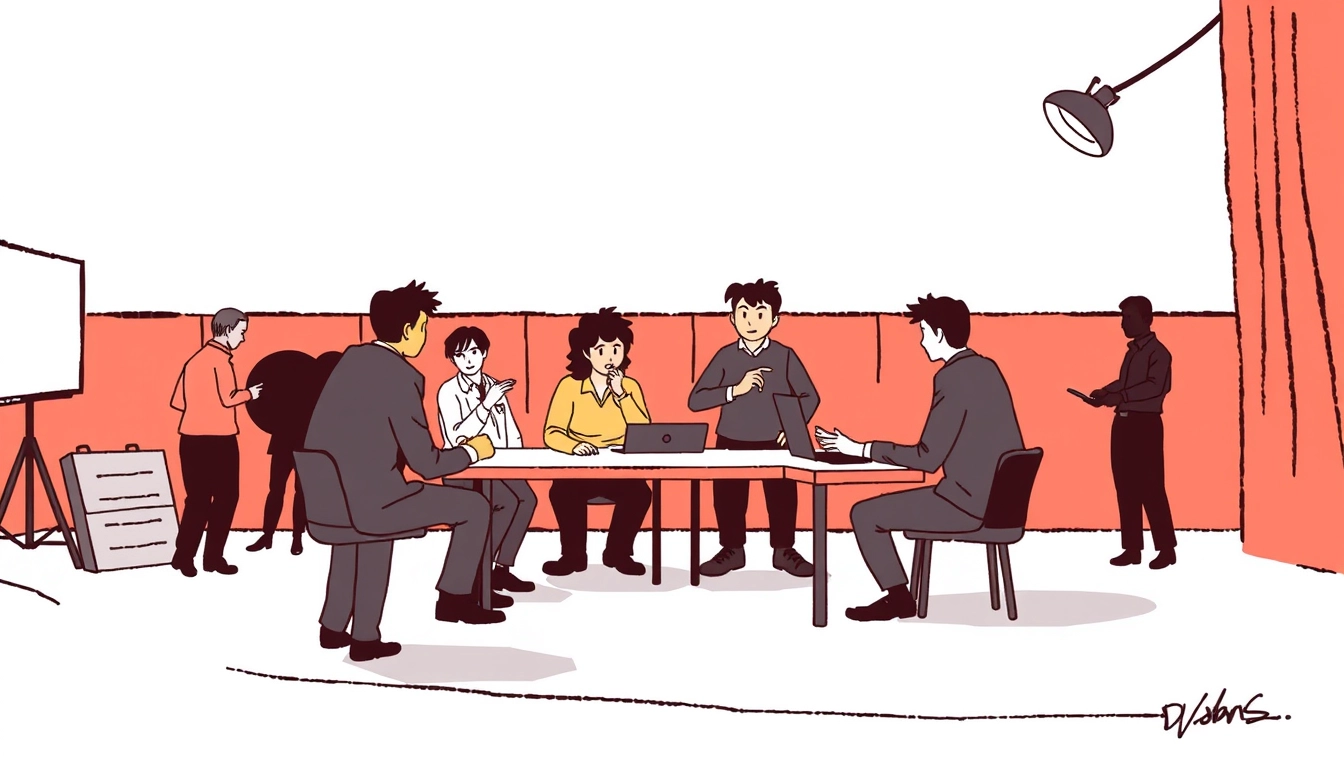
Your goal is not a full plot outline. It is a compact story seed that can become a comic page, strip, manga scene, or webtoon episode.
A strong story seed usually includes:
Here is a simple format to use:
In [setting], [main character] wants [goal], but [conflict]. When [trigger event] happens, they must [choice/action], which reveals [hook].
Example:
In a rainy train station that appears only at midnight, Mina, a nervous student courier, wants to deliver a lost sketchbook, but every platform leads to a different memory. When the sketchbook begins drawing tomorrow's accident by itself, she must choose whether to deliver it or change what it predicts, which reveals that the owner has been waiting for her for ten years.
That is not a finished comic. It is something more useful at this stage: a clear starting asset.
A novel can stay inside a character's thoughts for pages. A comic has to turn meaning into visible moments.
When testing a comic idea, ask:
That is why "a lonely girl feels different" is weak for comics, while "a lonely girl sees her shadow wave back at her in class" is much stronger. The second version gives you something to draw.
Use this sequence when you are stuck at the idea stage.
Choose what kind of experience the reader should expect.
Genre:
Reader feeling:
Story size:
Format:
Example:
Genre: cozy fantasy
Reader feeling: warm mystery
Story size: one-page opening scene
Format: 6-panel comic page
Keep the first promise small. A one-page opening is easier to finish than a 200-page universe.
Comic stories get stronger when the first character has a clear source of pressure.
Weak:
A girl with magic powers.
Stronger:
A girl who can repair broken objects, but every repair removes one of her own memories.
Use this template:
Main character:
Want:
Pressure:
Visible trait:
Secret or fear:
Avoid generic locations. Pick a place that helps tell the story.
Instead of:
city
school
forest
space
Use:
a convenience store that sells forgotten dreams
a school rooftop covered in paper cranes
a forest where every tree has a door
a repair shop inside an abandoned satellite
A specific setting gives the artist or AI something concrete to show.
Conflict is not only fighting. It can be a deadline, a secret, a broken rule, a strange object, or a difficult choice.
Good comic conflict has a visible handle, such as:
If the conflict has no visible form, readers may not feel it clearly in panels.
The hook should create a question that makes the next page feel necessary.
Examples:
Your hook does not need to explain everything. It only needs to create momentum.
Once you have the one-paragraph story, you can use LlamaGen.AI to turn it into visual planning material.
LlamaGen.AI is designed for sequential visual storytelling, including comic pages, panels, storyboards, character consistency, speech bubbles, captions, editing, and export. That makes it useful when your story seed needs to become repeatable visual assets rather than a single standalone image.
Use the story seed to create:
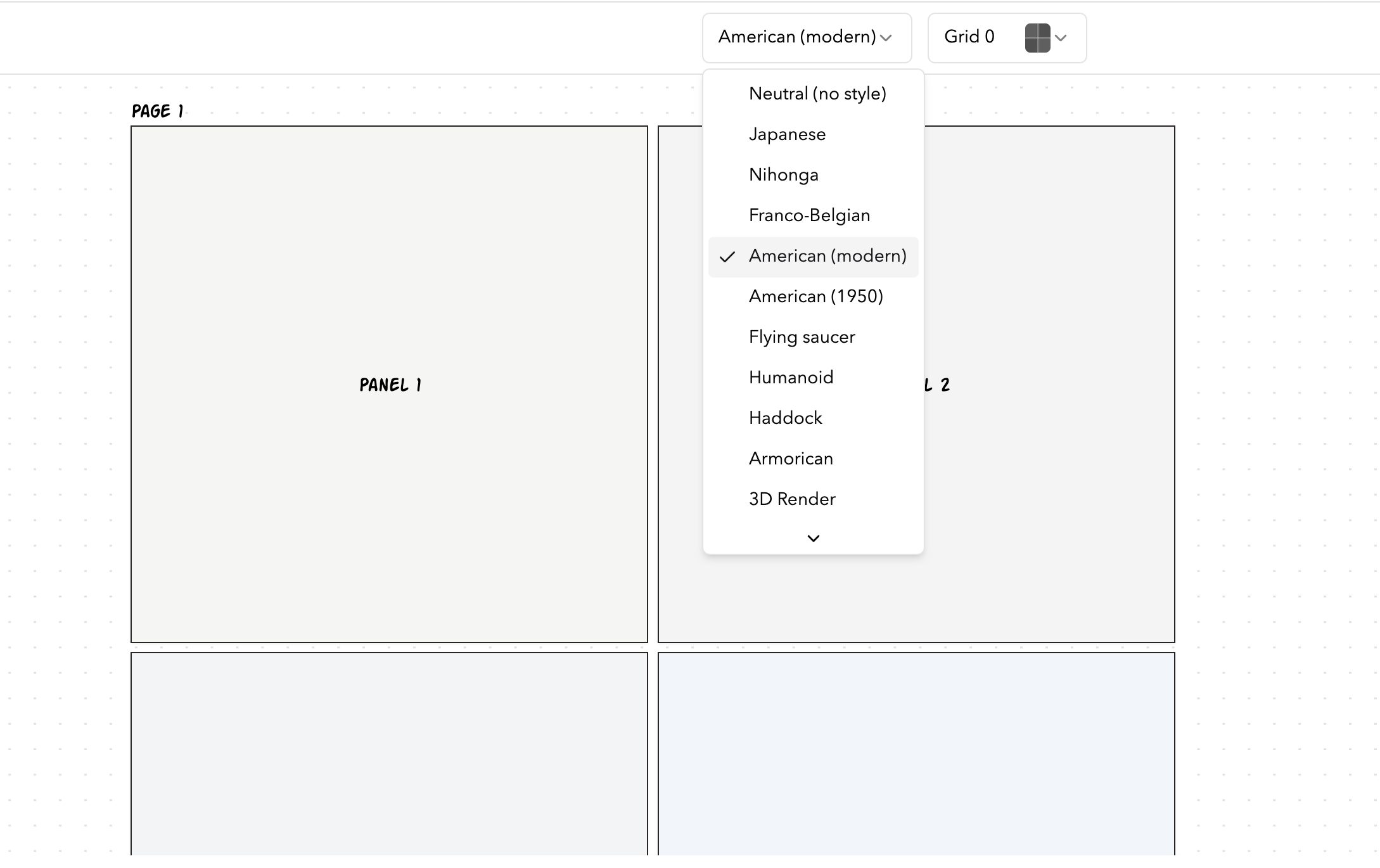
Start with a short prompt, then refine.
Create a 6-panel comic page opening for this story:
[paste your one-paragraph story]

Style: clean cinematic manga, readable panel flow, expressive faces.
Focus: visual storytelling, no random text inside the art.
Output: first page draft with a clear hook in the final panel.
Use these prompts to generate story seeds before moving into character creation.
Generate 5 beginner-friendly comic story ideas.

Audience: new comic readers
Format: one-page comic
Tone: warm, mysterious, easy to visualize
Each idea must include:
- main character
- setting
- conflict
- final hook
Keep each idea under 80 words.
Create a manga story seed using this template:
In [specific setting], [main character] wants [goal], but [conflict]. When [trigger event] happens, they must [choice/action], which reveals [hook].

Genre: supernatural school mystery
Main character type: quiet observer
Mood: rainy, tense, emotional
Make the conflict visible enough to become comic panels.
Turn this vague idea into a comic-ready story premise:
"A kid finds a secret world."

Requirements:
- make the setting visually specific
- give the character one clear goal
- add one visible object that causes conflict
- end with a hook
- keep it to one paragraph
Give me 3 possible final-panel hooks for this comic story:
[paste story seed]

Each hook should be visual, surprising, and easy to draw.
Avoid exposition. Make the reader want page 2.
Convert this story seed into a first-page plan:
[paste story seed]

Output:
- one-sentence logline
- 6-panel beat list
- visual mood
- main character notes
- final-panel hook
Do not write final dialogue yet.
Start with a vague idea:
A boy finds a robot.
Make it comic-ready:
In a floating junk market above the city, Leo, a nervous apprentice repair kid, wants to prove he can fix something valuable, but every machine he touches breaks in a new way. When he opens a dented delivery crate and finds a tiny robot repeating his missing sister's voice, he must decide whether to hide it from the market guards or follow the robot's map, which points to a place that officially does not exist.
Now the story has usable comic assets:
| Asset | Detail |
|---|---|
| Character | Leo, nervous apprentice repair kid |
| Setting | Floating junk market above the city |
| Conflict | Machines break when Leo touches them |
| Object | Dented delivery crate and tiny robot |
| Emotional hook | Robot uses his missing sister's voice |
| Next step | Design Leo and the robot consistently |
This is the point where you should move into character creation.
Before you generate panels, check the story seed:
The next article in this series is /blogs/character-creation. That guide turns your story seed into a character sheet with appearance, personality, and consistency rules.
If you want a broader beginner workflow before going deeper, read How to Make Manga Without Drawing.
When you are ready to turn your story into a visual draft, start here:
Un resumen de los últimos lanzamientos de funciones de LlamaGen, mejoras del producto, actualizaciones de diseño y correcciones importantes de errores.
¡Solo refiere a tus amigos, seguidores y clientes para ganar hasta 30% en comisiones recurrentes de por vida!