Writers usually do not fail at AI comics because they lack ideas.
They fail because the workflow asks them to become prompt engineers for every panel.
That is backwards. A writer should be able to bring a script, a scene, a character arc, or a premise and turn it into a visual sequence. The tool should help with structure, characters, panels, and revisions.
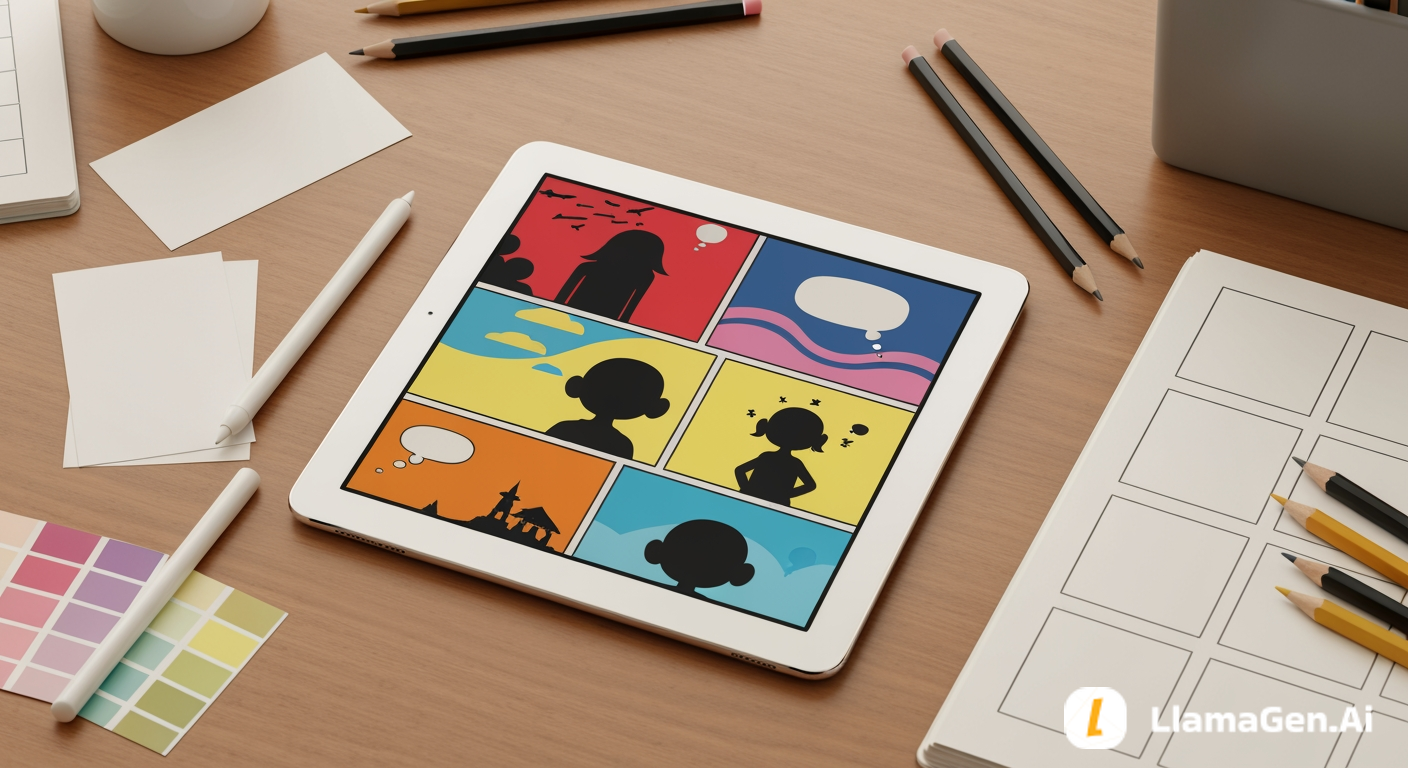
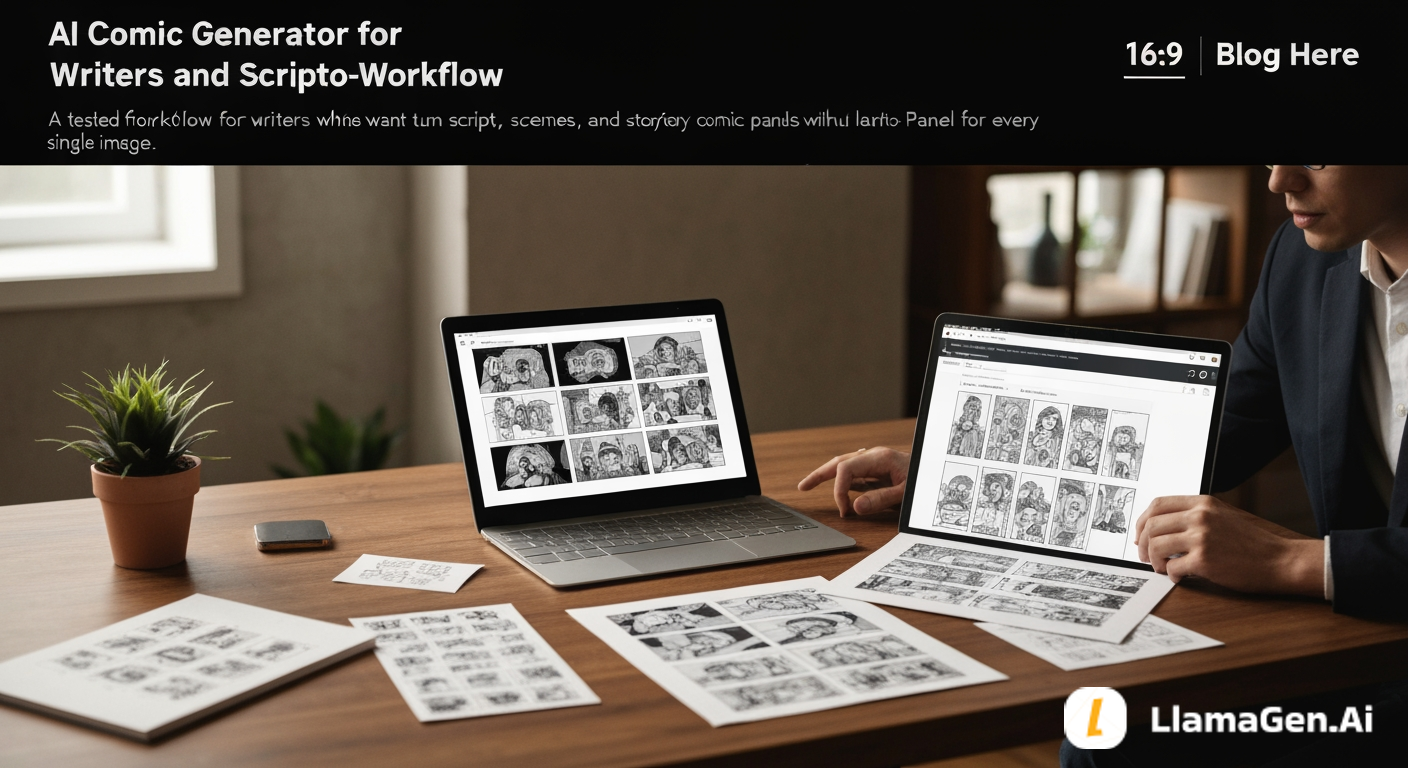
This is where LlamaGen.AI Comic Strips is a strong fit. LlamaGen.AI is built for visual storytelling: scripts, comic panels, manga-style output, storyboards, characters, captions, and iterative creation.
This workflow audit was captured on July 21, 2026.
I visited LlamaGen.AI, ComicsMaker.ai, Dashtoon, and Canva public pages and evaluated them from the point of view of a writer who has a scene but no drawing background. I focused on workflow fit, not only homepage claims.
The writer test scene:
Mara, a retired stage magician, finds a letter from her missing apprentice. The letter folds itself into a paper bird, escapes through the window, and leads her into an abandoned theater.
The evaluation criteria:
| Test Area | Writer Question |
|---|---|
| Script intake | Can I start from a story scene instead of separate image prompts? |
| Sequencing | Does the tool help turn story beats into panels? |
| Character continuity | Can Mara remain recognizable across reactions? |
| Revision | Can I fix weak panels without rewriting everything? |
| Text workflow | Can captions or speech bubbles be handled in the same process? |
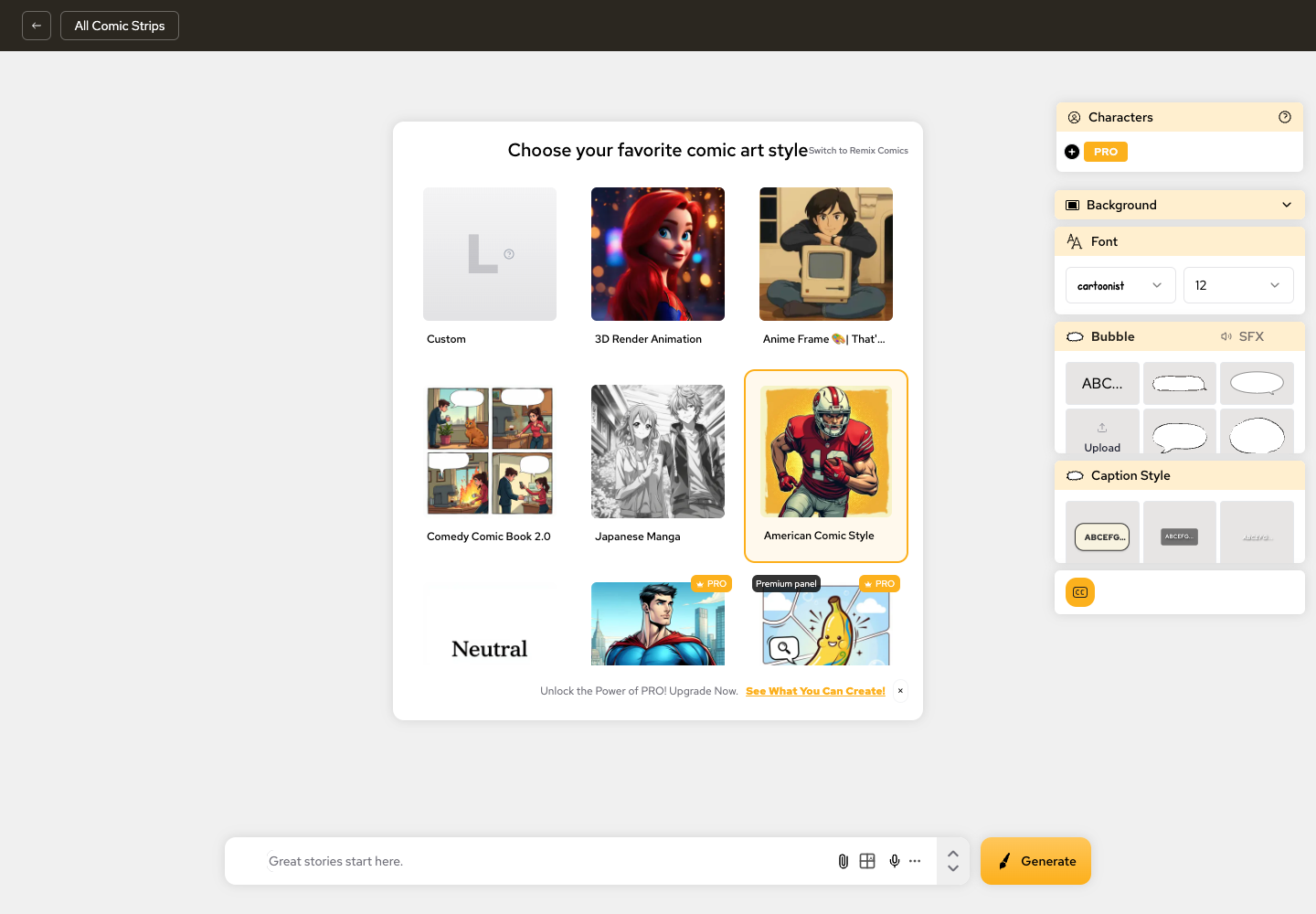
LlamaGen.AI's workspace is organized around comic style, character, background, font, bubble, caption style, and generation controls.
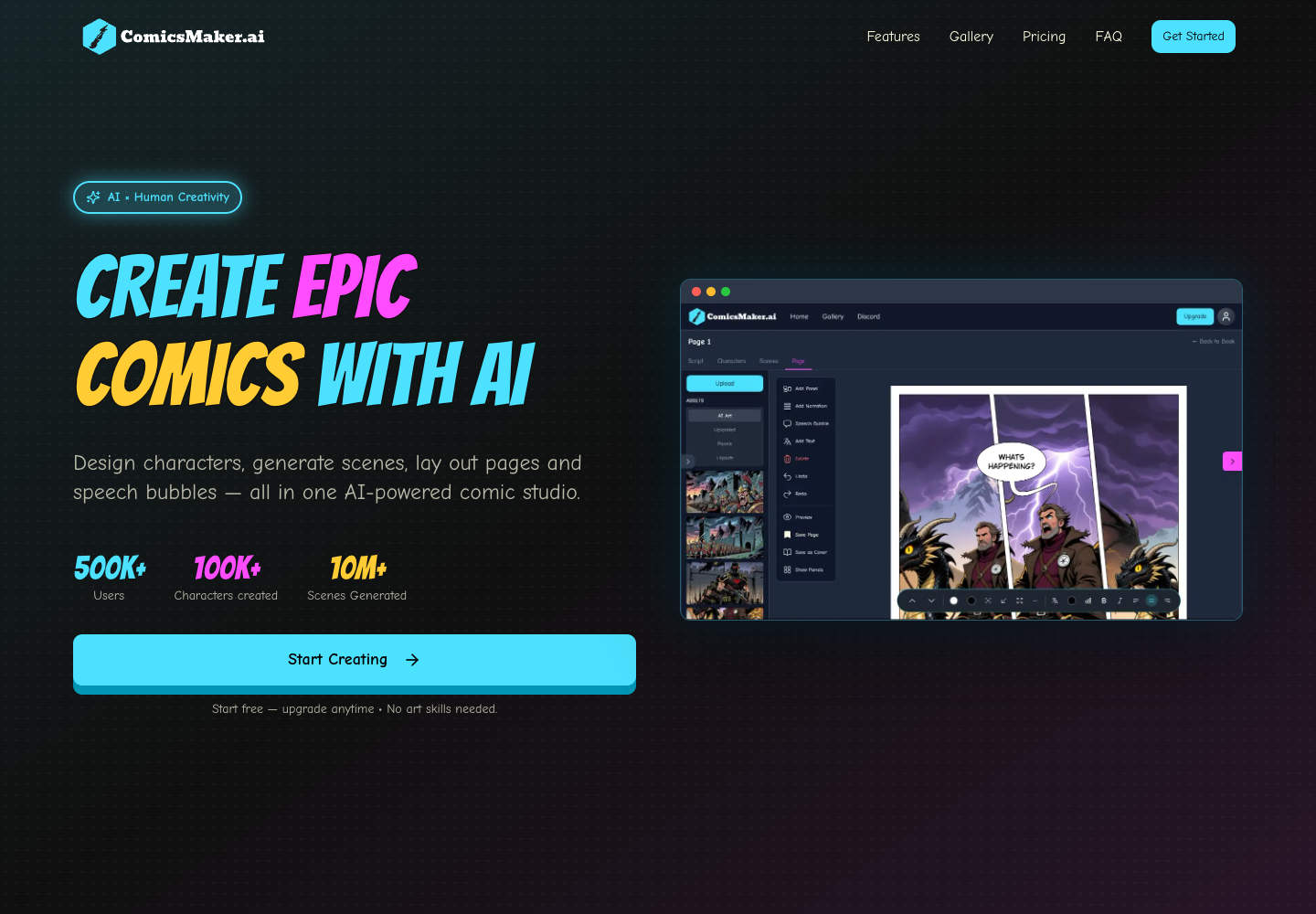
ComicsMaker.ai presents itself as an AI comic studio for designing characters, generating scenes, laying out pages, and adding speech bubbles.
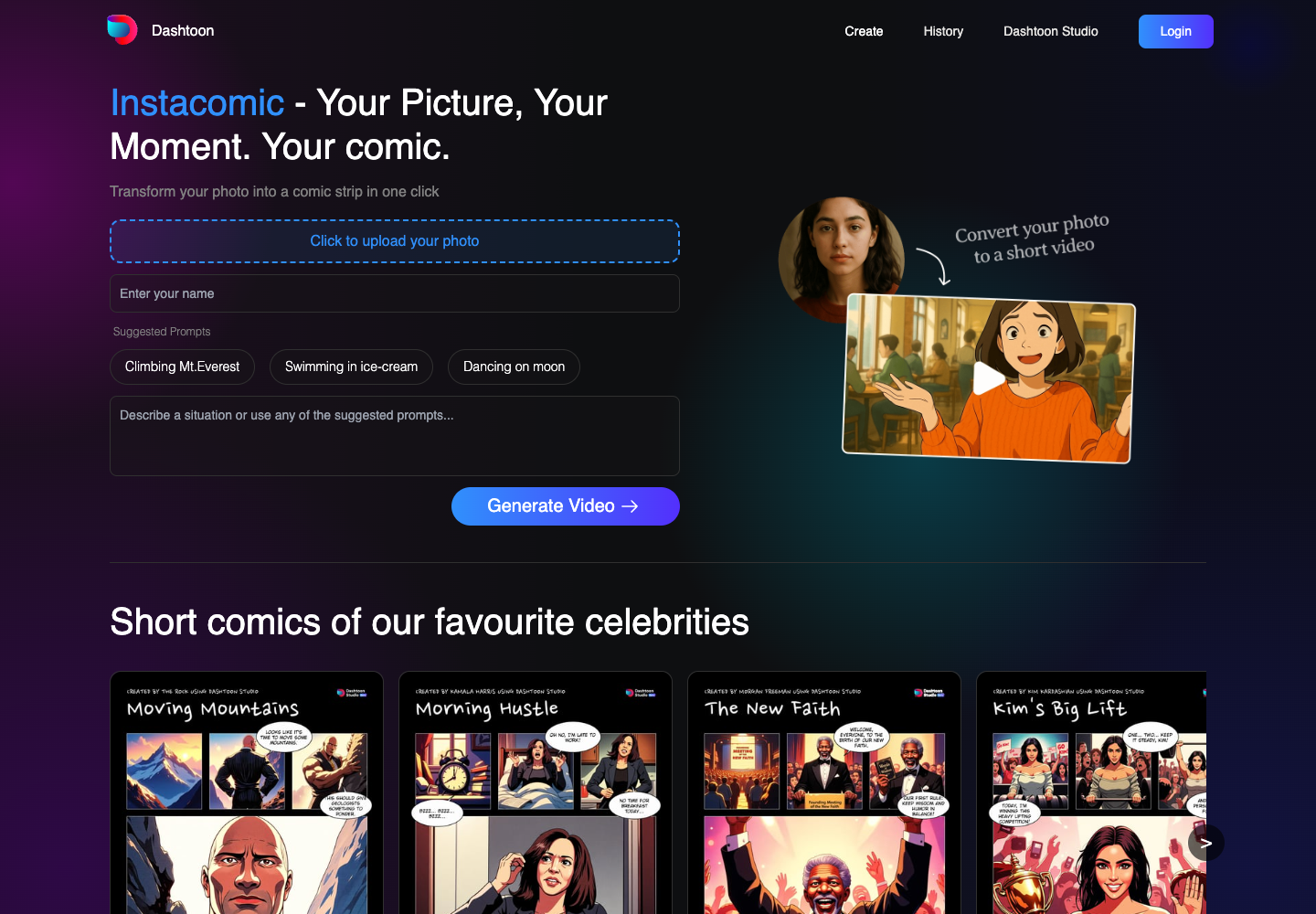
Dashtoon's visible public flow emphasizes transforming a picture or moment into a comic result.
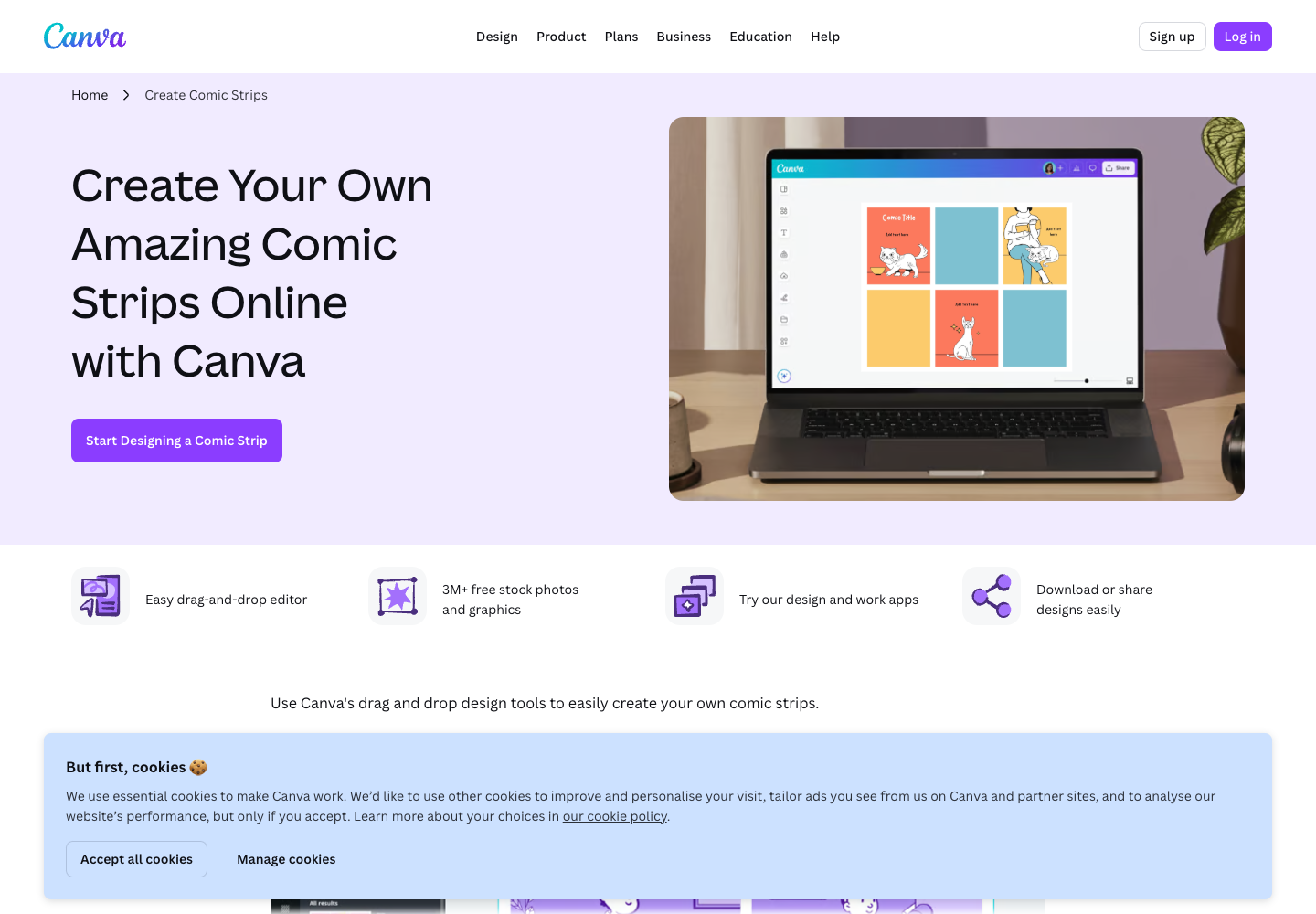
Canva is a strong design and layout environment, especially after you already know what your panels should say and show.
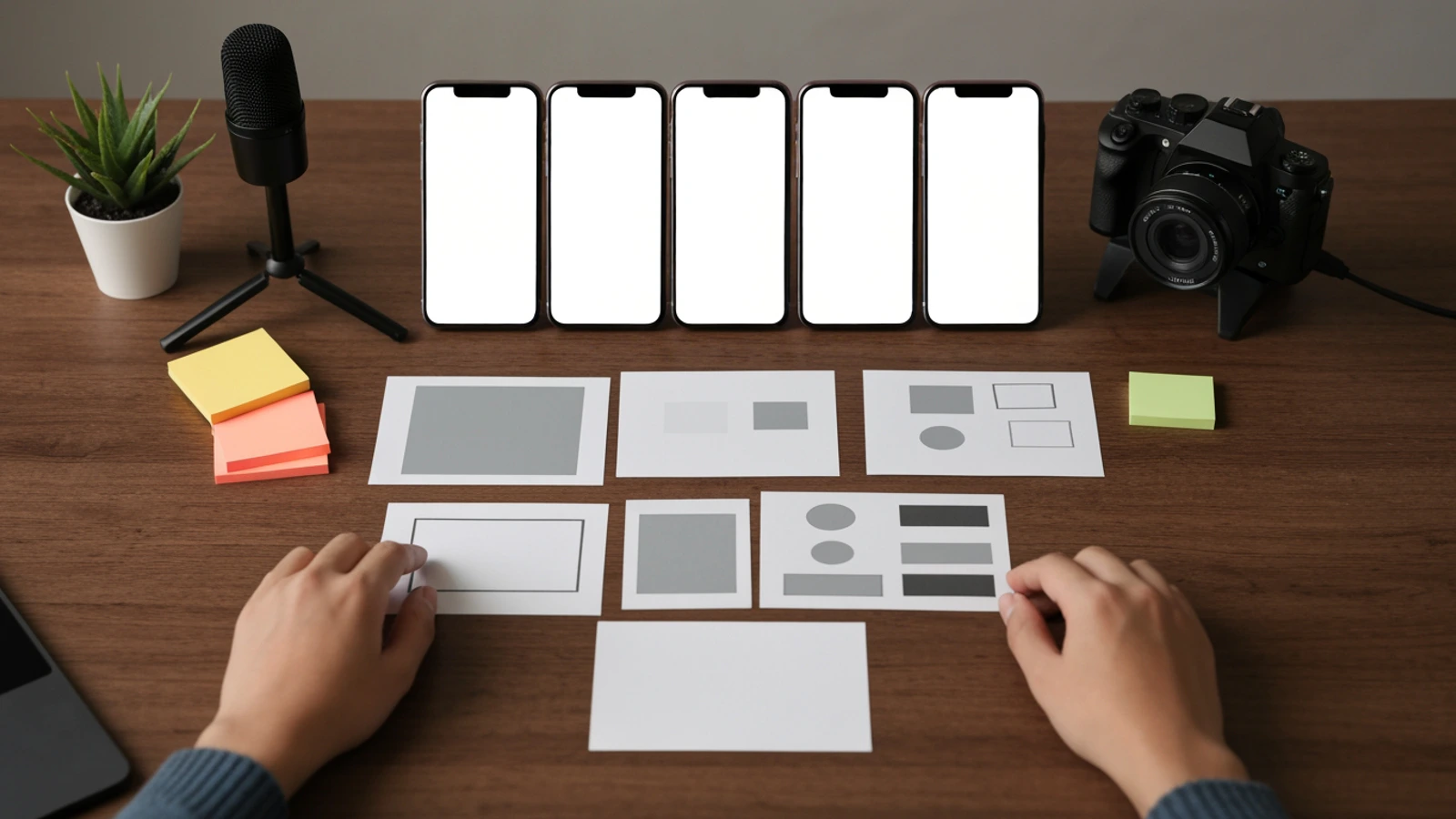
The goal is to convert a scene into panels without forcing the writer to invent a perfect image prompt for every frame.
Keep it short and concrete:
Scene: Mara returns to the abandoned theater where she once performed.
Character: Mara, retired stage magician, silver bob haircut, long burgundy coat, black gloves.
Conflict: A paper bird made from her apprentice's letter leads her inside.
Mood: haunted, elegant, mysterious.
Ending: she sees a spotlight turn on by itself.
This is better than a long prose excerpt because it gives the AI production signals: character, place, object, mood, and hook.
A rundown of the latest LlamaGen feature releases, product enhancements, design updates, and important bug fixes.
| Beat | Visual Job | Writer Note |
|---|---|---|
| 1 | Mara reads the letter | Establish her face and emotional state |
| 2 | The letter folds into a bird | Show the magical event clearly |
| 3 | The bird flies out the window | Motion and direction |
| 4 | Mara follows through a rainy street | Transition |
| 5 | Theater doors open | Location reveal |
| 6 | Spotlight turns on | Final hook |
This is where many generic AI image workflows break. They can make each beat look good, but they do not help the writer protect the relationship between beats.
Use LlamaGen.AI as a draft partner:
Create a 6-panel comic sequence from this scene.
Main character: Mara, retired stage magician, silver bob haircut, burgundy coat, black gloves, elegant but tired expression.
Scene beats: reads letter, letter folds into paper bird, bird flies out window, rainy street chase, abandoned theater doors, spotlight turns on.
Style: cinematic graphic novel, clear facial continuity, moody lighting, readable panel order, no readable text.
Then revise like a writer:
Do not write full dialogue before the panels exist. First generate the visual sequence, then add short text:
| Panel | Possible Text |
|---|---|
| 1 | "You finally wrote back." |
| 2 | No text |
| 3 | "Wait." |
| 4 | Caption: "The bird knew the way." |
| 5 | No text |
| 6 | "Impossible." |
LlamaGen.AI's caption and bubble workflow helps because the writer can keep visual pacing and text pacing together.
| Tool | Writer Fit | What It Does Well | Main Risk |
|---|---|---|---|
| LlamaGen.AI | Strongest starting point | Turns story ideas into comic sequences with character and panel workflow | Needs editorial review, like any AI draft |
| ComicsMaker.ai | Strong all-in-one comic positioning | Page layout, scenes, characters, and bubbles are visible in the product story | Writers should test whether the flow matches their script process |
| Dashtoon | Fast transformation from image or prompt | Useful for quick comic-style moments | Less clearly centered on long script-to-panel workflows |
| Canva | Good for finished presentation | Templates, layout, sharing, and design polish | Better after the comic sequence is already planned |
Copy this structure:
Create a [number]-panel comic sequence.
Main character: [age, role, face/hair, clothing, visual anchor].
Scene goal: [what changes in the scene].
Beat list: [panel 1], [panel 2], [panel 3], [panel 4].
Style: [comic/manga/webtoon style].
Continuity: keep the same character design, costume, and emotional arc across panels.
Avoid: readable text, random logos, extra characters, watermarks, inconsistent faces.
This template reduces prompt-engineering stress because it lets the writer think in story parts.
After generating, review the sequence in this order:
| Check | Pass Condition |
|---|---|
| Character identity | The protagonist is recognizable in every key panel |
| Scene logic | Each panel follows naturally from the previous one |
| Emotional arc | The character's expression changes with the story |
| Object continuity | Important props keep their role and shape |
| Text restraint | Captions support the image instead of explaining everything |
| Hook | The final panel creates a question |
Writers are often high-intent users. They already have stories. They are not looking for a toy. They are looking for the missing production bridge between words and visuals.
LlamaGen.AI fits that bridge because it gives writers a practical route:
story -> character -> panels -> captions -> export
That is much closer to how a comic is actually made than:
prompt -> image -> another unrelated prompt -> another unrelated image
Yes. LlamaGen.AI is especially useful for writers because it can start from story information and help create comic panels, manga-style scenes, and storyboards.
Usually no. Convert the chapter into scene beats first. A smaller scene with clear beats produces a better comic draft.
Start with a 4 to 6 panel scene. Choose one protagonist, one location, one important object, and one ending hook.
Start with LlamaGen.AI Comic Strips, paste a scene brief, and create a short panel sequence before attempting a full episode.
Just refer your friends, followers, and customers to earn up to 30% in recurring commissions for a lifetime!