

Name the relationship
Decide whose point of view carries the story and who should appear beside them.
LlamaGen Comics
Add photos, the memory, and the last panel you want them to keep.
Find the right starting point
Each path starts with a different relationship or occasion, then helps shape the memory into a comic-ready brief.
What makes the gift personal
A polished art style is only the surface. The gift starts to work when the recipient recognizes the relationship, the place, the dialogue, and why this particular moment was chosen.
Decide whose point of view carries the story and who should appear beside them.
A recognizable trip, ritual, mistake, rescue, or celebration gives the comic an anchor.
Clarify where the scene becomes funny, grateful, surprising, romantic, or heroic.
End on the meaning of the memory, not on a generic congratulation or stock message.
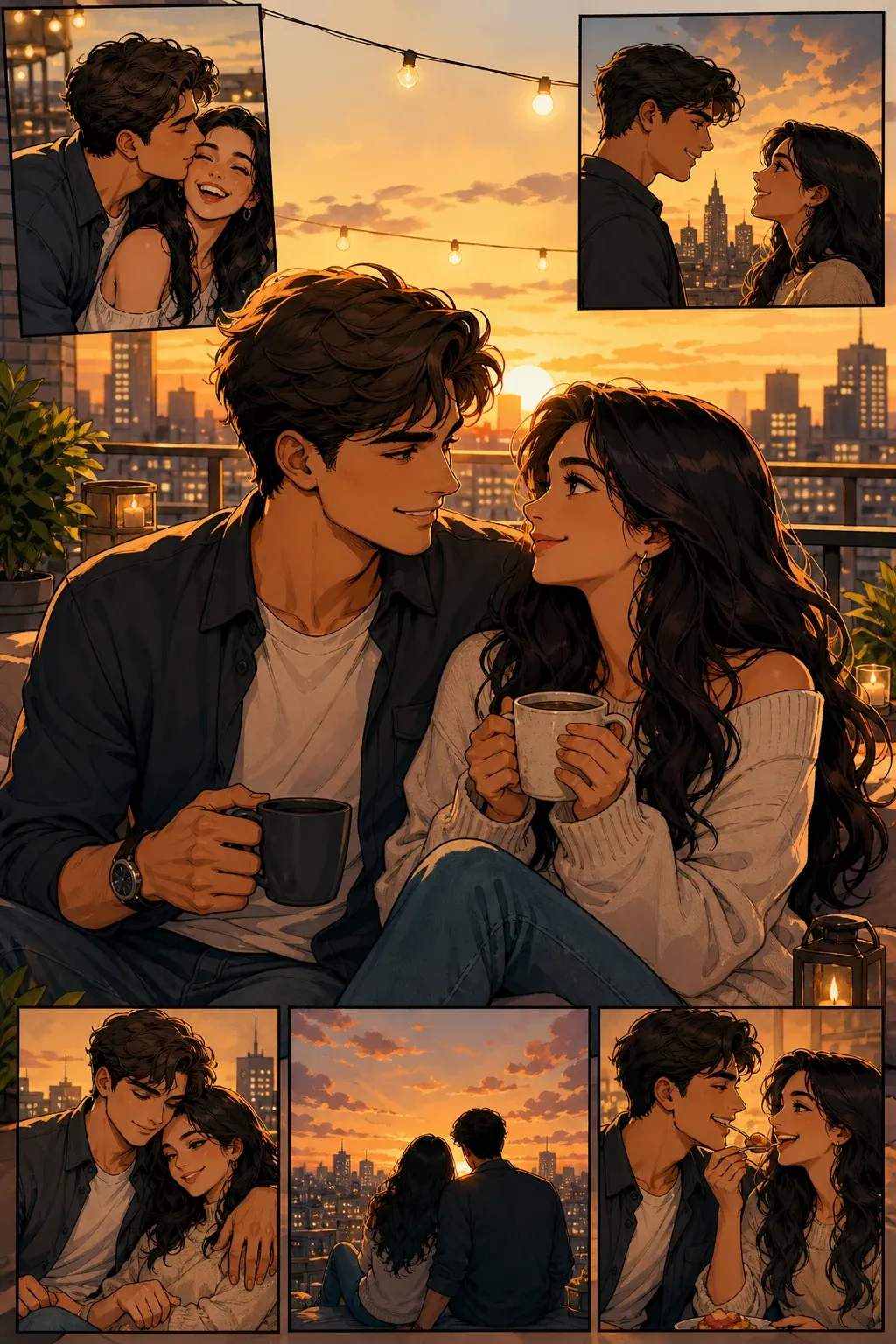
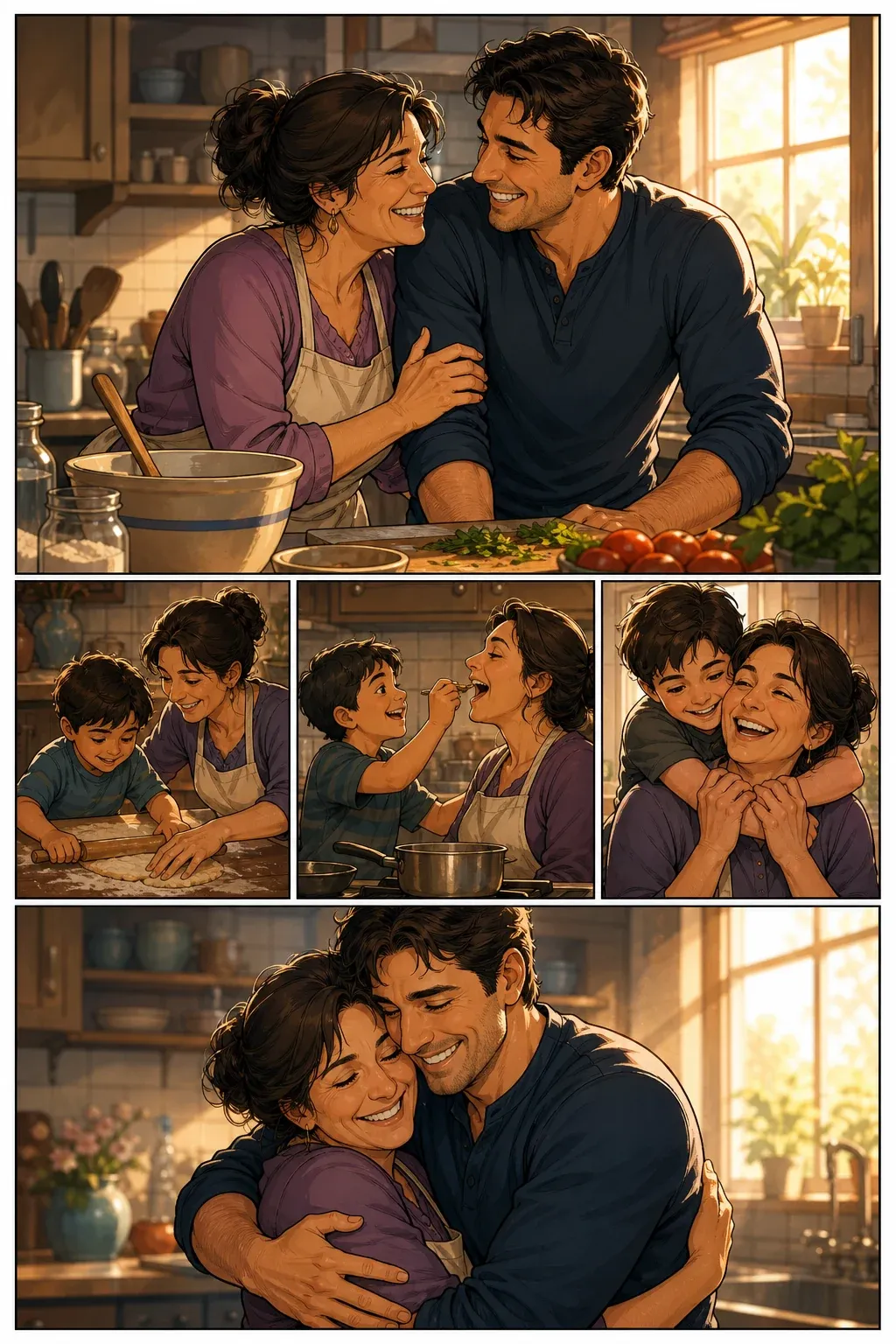
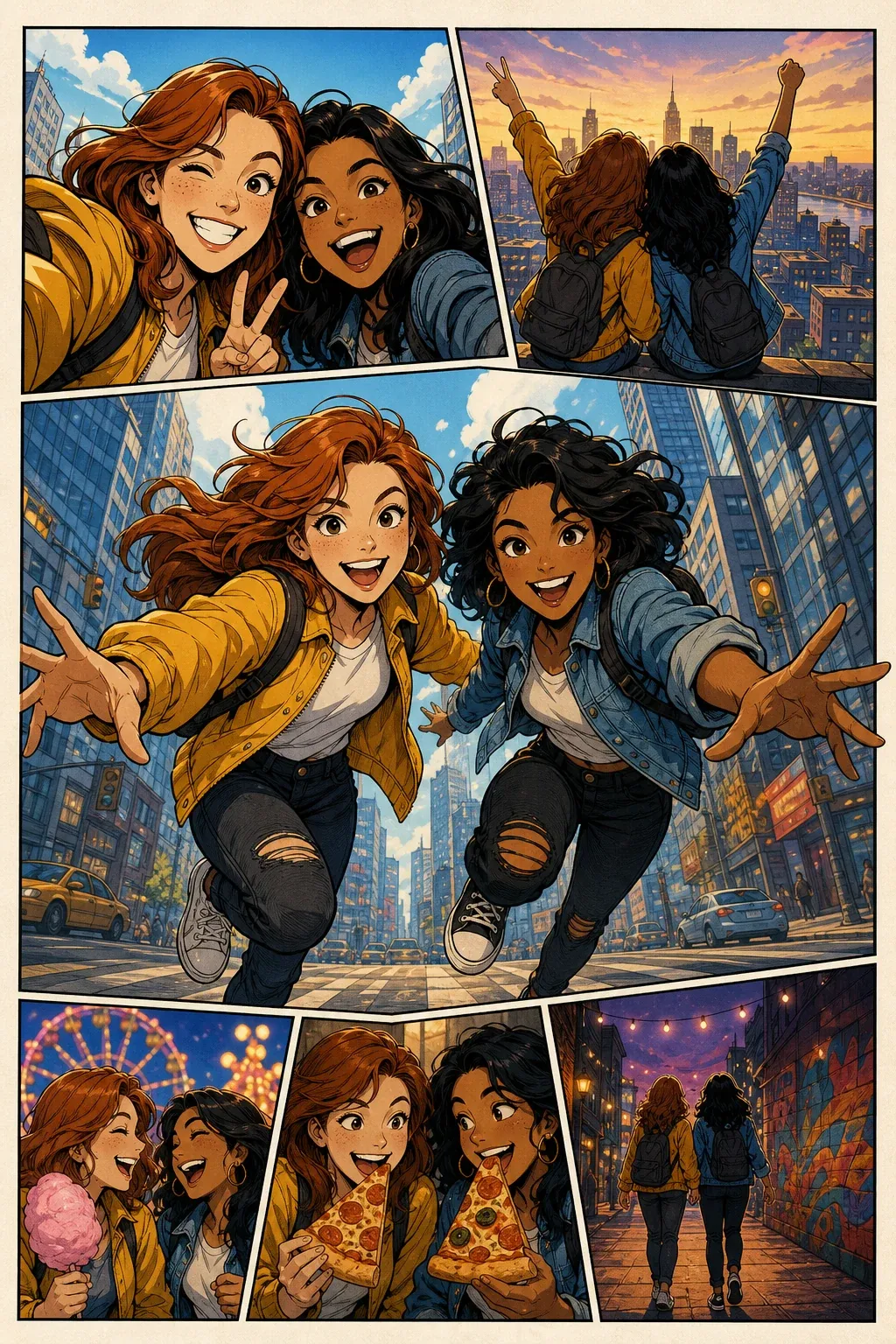
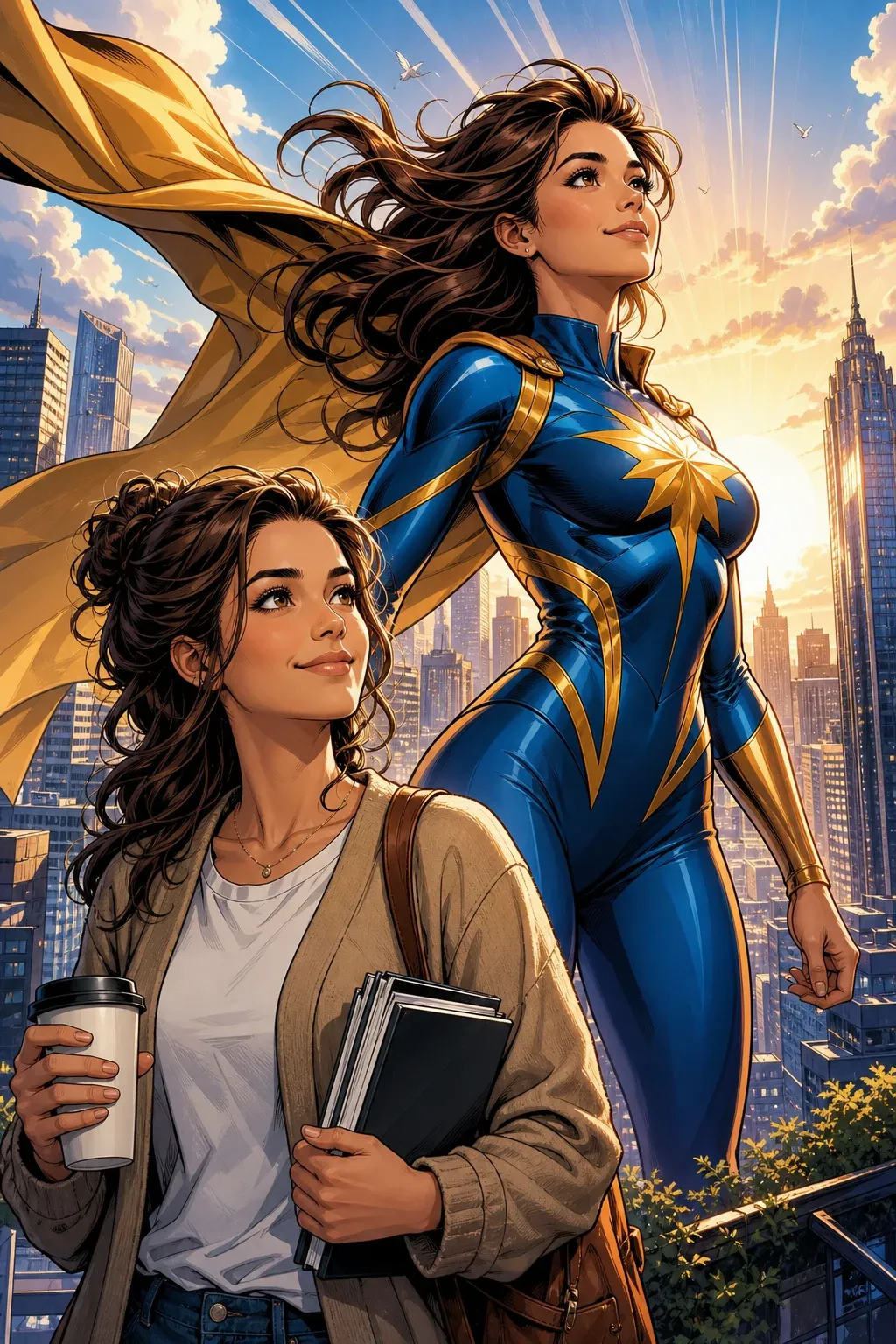
Finished story directions
Look for recognizable relationships, readable emotion, and a final panel that feels specific to the recipient—not just a stylized portrait.
Gift brief checklist
Five specific details will do more for the finished gift than a long but generic prompt.
The exact relationship between the people in the comic
A setting, object, phrase, or outfit the recipient will recognize
The moment where the story becomes funny, tender, or heroic
One line of dialogue that sounds like the real person
A final panel that says what the gift is meant to say
Story brief
Write the setting, who was there, what changed, and the detail the recipient will recognize immediately.
Decide where the story becomes funny, tender, surprising, or heroic before planning the final scene.
Check likeness, continuity, dialogue, and pacing across the complete comic before treating it as a finished gift.
Who it is for
For someone who knows the recipient and memory, but does not want to script or draw every panel from scratch.
For turning family lore, milestones, recipes, trips, jokes, and everyday hero moments into a keepsake.
For building a commissioned or episodic personalized story with editable scenes and repeatable character direction.
What stays editable
Attach permitted character photos, names, and relationship details before the first page is generated.
Keep the same people, visual language, and emotional thread across a multi-panel sequence.
Adjust pages, panels, captions, dialogue, and weak scenes in the comic studio instead of accepting a one-shot image.
Start from a couple, parent, friend, birthday, anniversary, Valentine, or superhero-specific story path.
Choose a storybook, playful comic, warm manga, or cinematic direction to suit the recipient and memory.
Final review
Do the faces, hair, age, and signature details still feel like the same people in every scene?
Do clothing, props, locations, and character relationships remain stable from panel to panel?
Can the recipient follow the emotional turn without needing an explanation outside the page?
Are all reference photos permitted, and have private details been kept appropriate for the final audience?
FAQ
個人化漫畫書禮物會將真實的人物、關係、回憶或場合,變成一個短篇漫畫故事,包含場景、角色、對白同可珍藏的結尾。
可以。先按收禮人或場合揀禮物頁,再用 starter 將名字、回憶、相片同語氣整理成適合漫畫創作的簡介。
有。每個頁面都會先整理故事,再開啟一個可編輯的 LlamaGen 漫畫專案,沿用現有漫畫工作流程。
故事由真實的收禮人、關係、回憶或場合出發。名字、地點、對白、參考相片同結局,都可以圍繞收禮人去設計。
唔需要。只要由一段有力量的回憶,同你想要的情感結尾開始就得。清晰的開場、兩三個難忘情節,再加最後一格紀念場景,就足夠寫第一版。
可以。請使用清晰、獲授權的相片,並檢查整個序列中的樣貌一致性。未經同意,唔好使用他人相片。
可以。你可以繼續喺 LlamaGen 漫畫工作流程內修改故事情節、重新生成較弱的分鏡、調整對白,並準備最終禮物。
Use the brief above, or pick a recipient path if you want a more specific starting point.