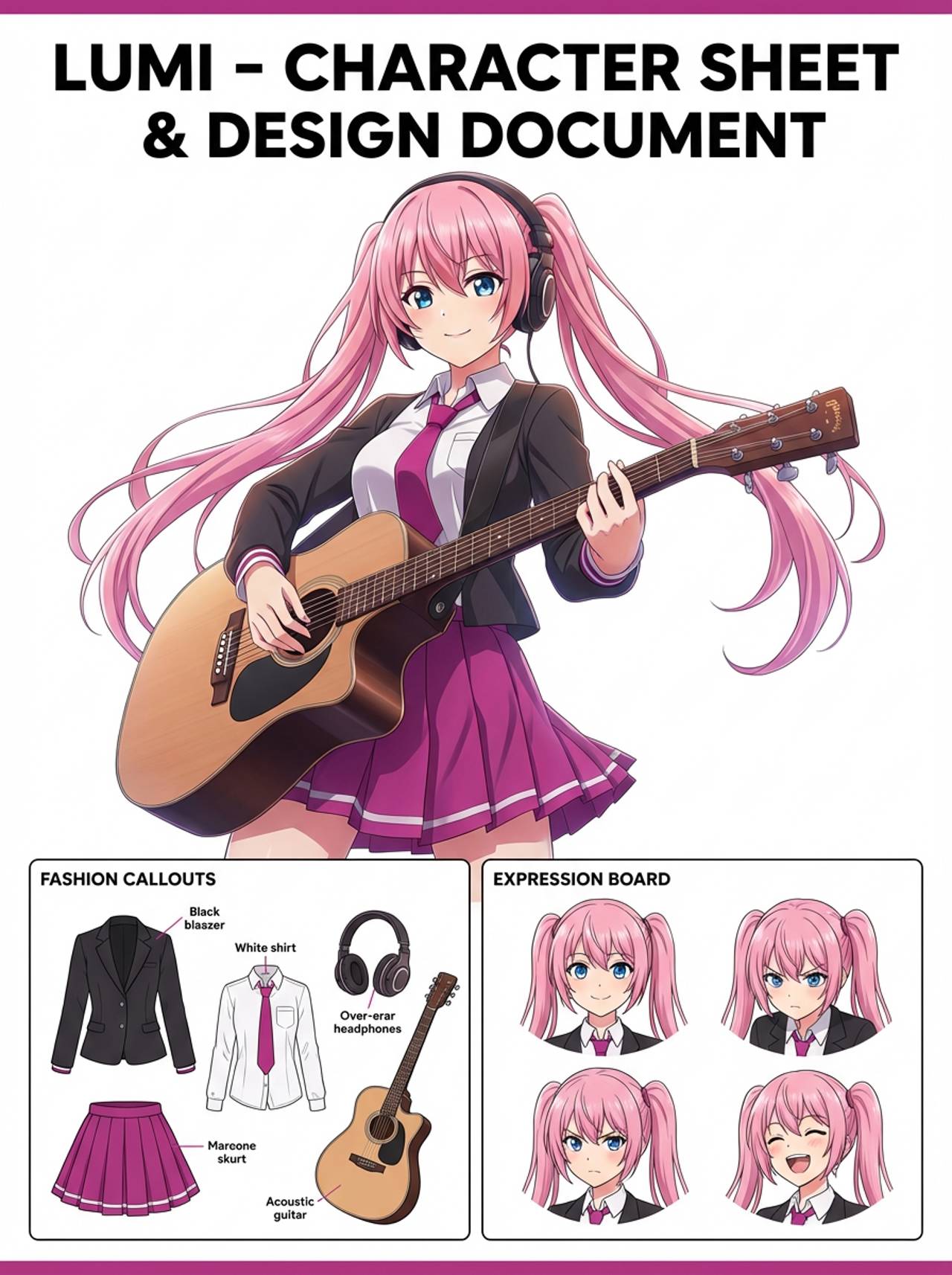
Problem
Trading-card visuals need strong framing, rarity cues, and readable subject hierarchy; generic images rarely land that format by accident.


Turn character images or text ideas into collectible trading-card style outputs with framed art, rarity energy, and merch-ready composition.
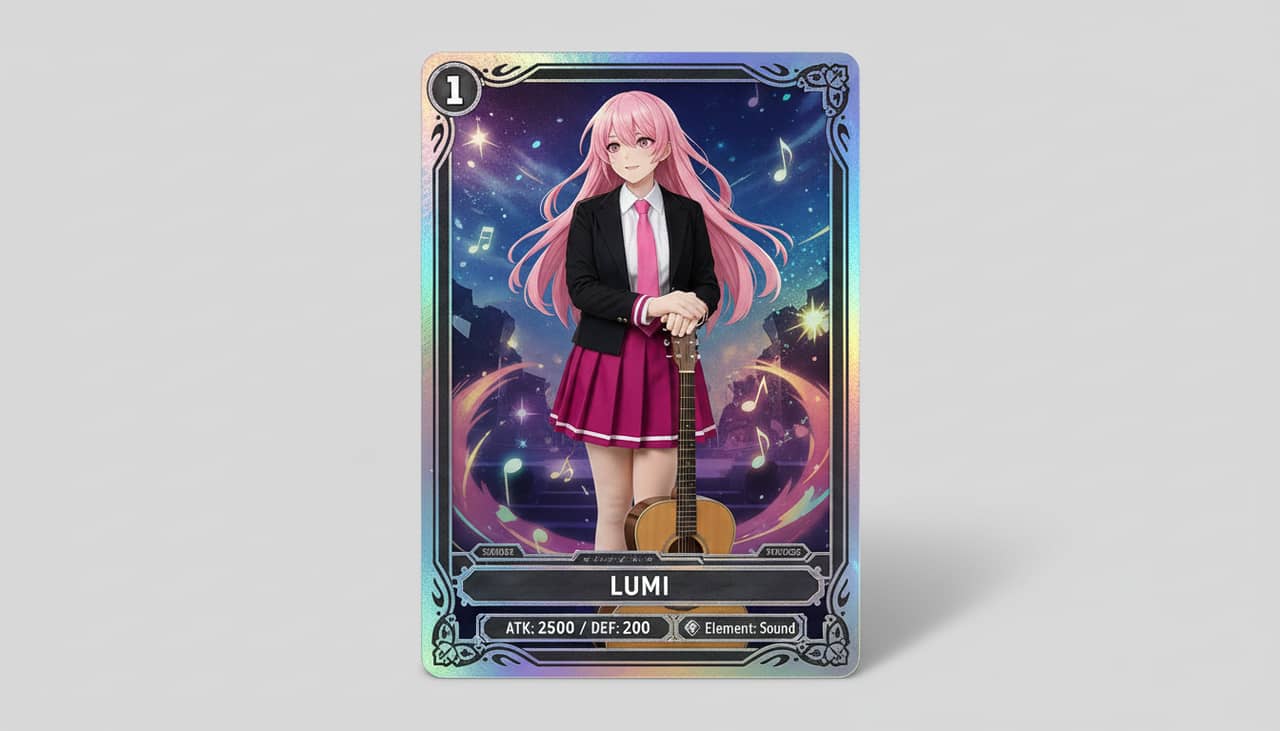
Match your starting point to a clear output, workflow, and quality bar before opening the generator.
Trading-card visuals need strong framing, rarity cues, and readable subject hierarchy; generic images rarely land that format by accident.
OC cards, fandom collectibles, game pitches, classroom reward cards, campaign visuals, and social card reveals.
A collectible trading-card style image with framed character art, rarity mood, and stat-card presentation cues.
Start with the right input, define the trading card visual output, and check the result before using it in a real project.
Use a text prompt for new ideas or upload a reference image when identity, pose, product shape, or character continuity matters.
Ask for collectible card frame, rarity glow, centered character art, stat-panel feel, and clean graphic composition. Name what must stay unchanged and what can be redesigned.
Create the image, then check frame readability, subject crop, rarity effect, fake text quality, and whether the character remains central before downloading or using the result elsewhere.
Example directions for turning prompts or references into trading card visual outputs.
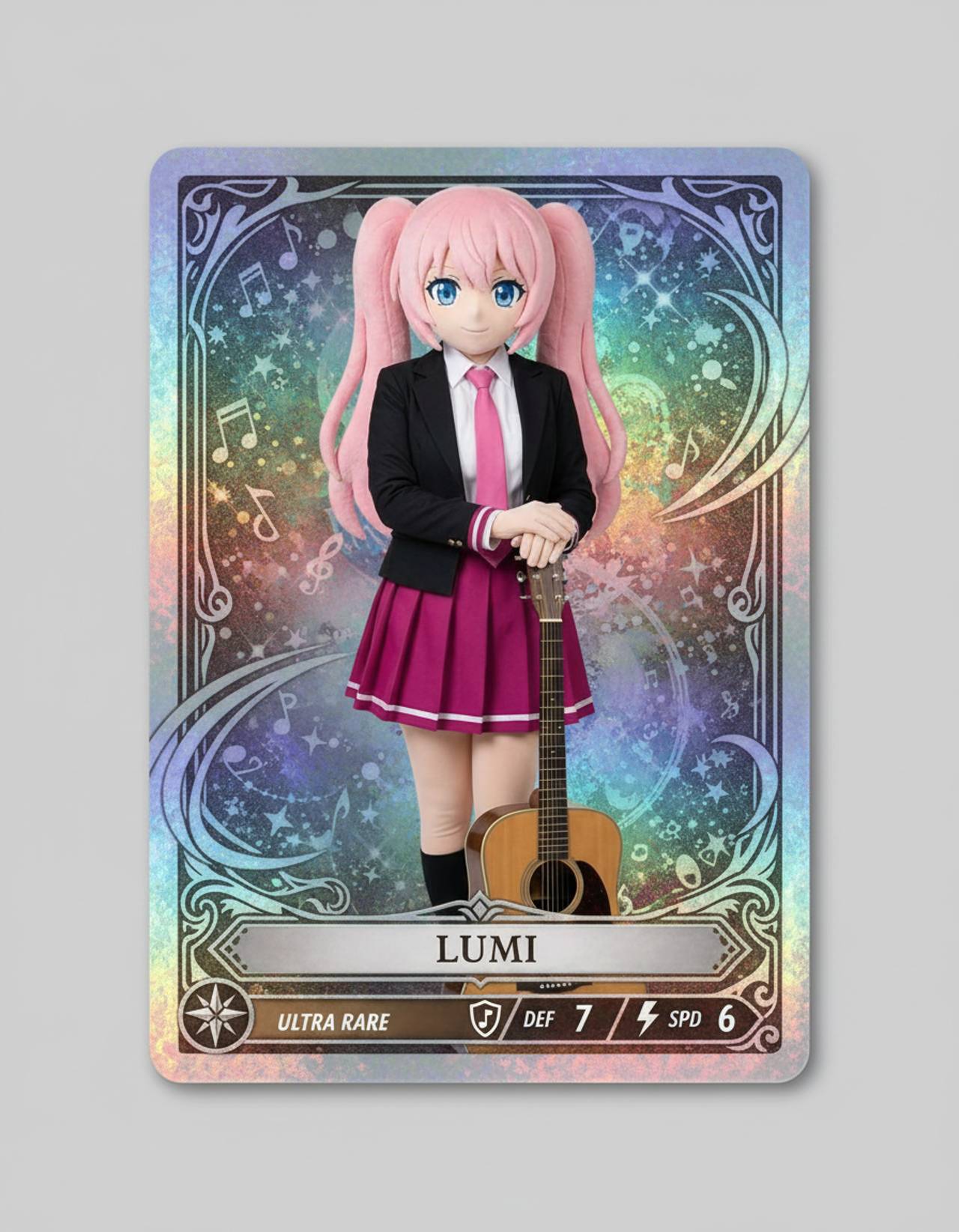
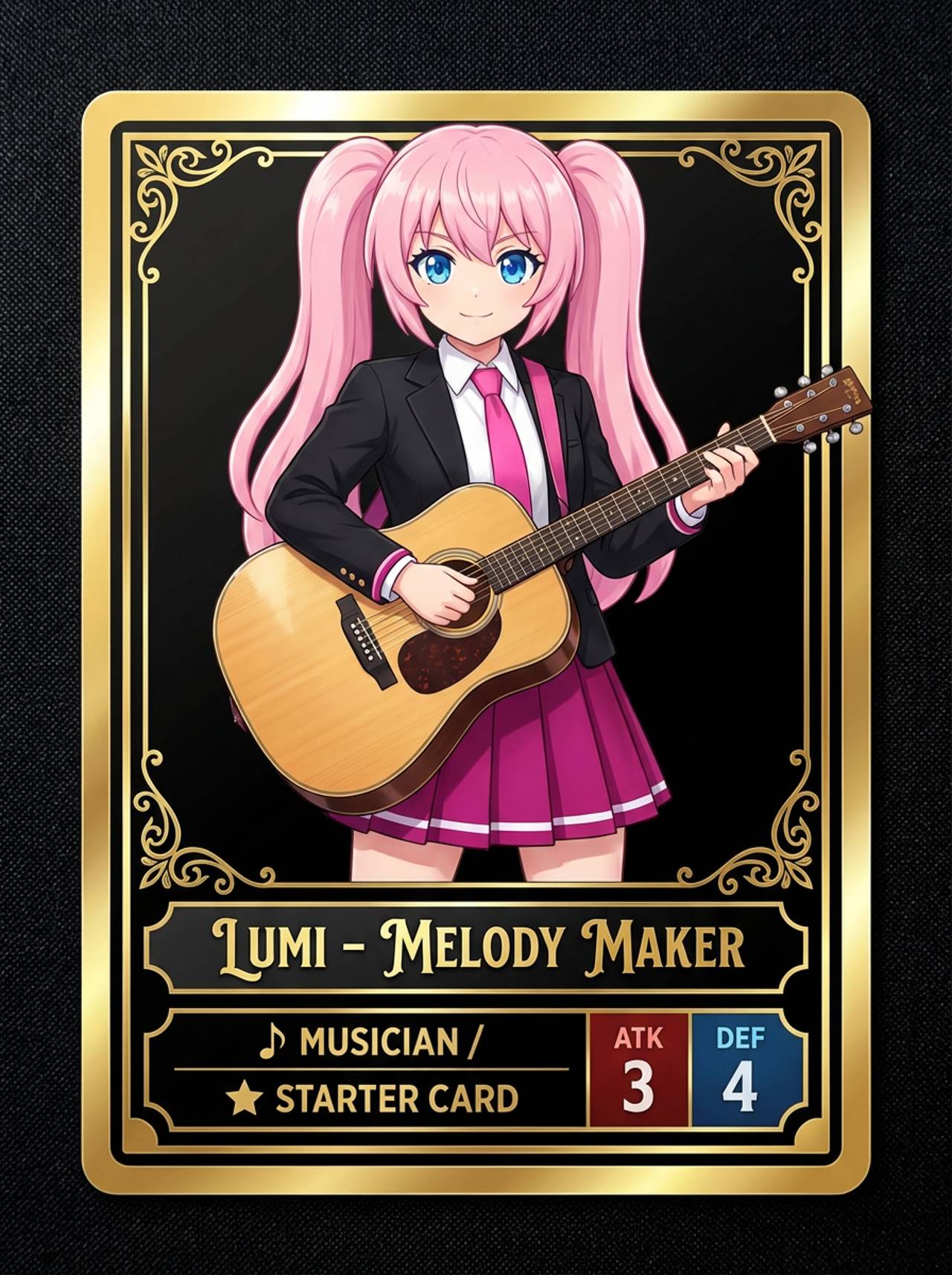
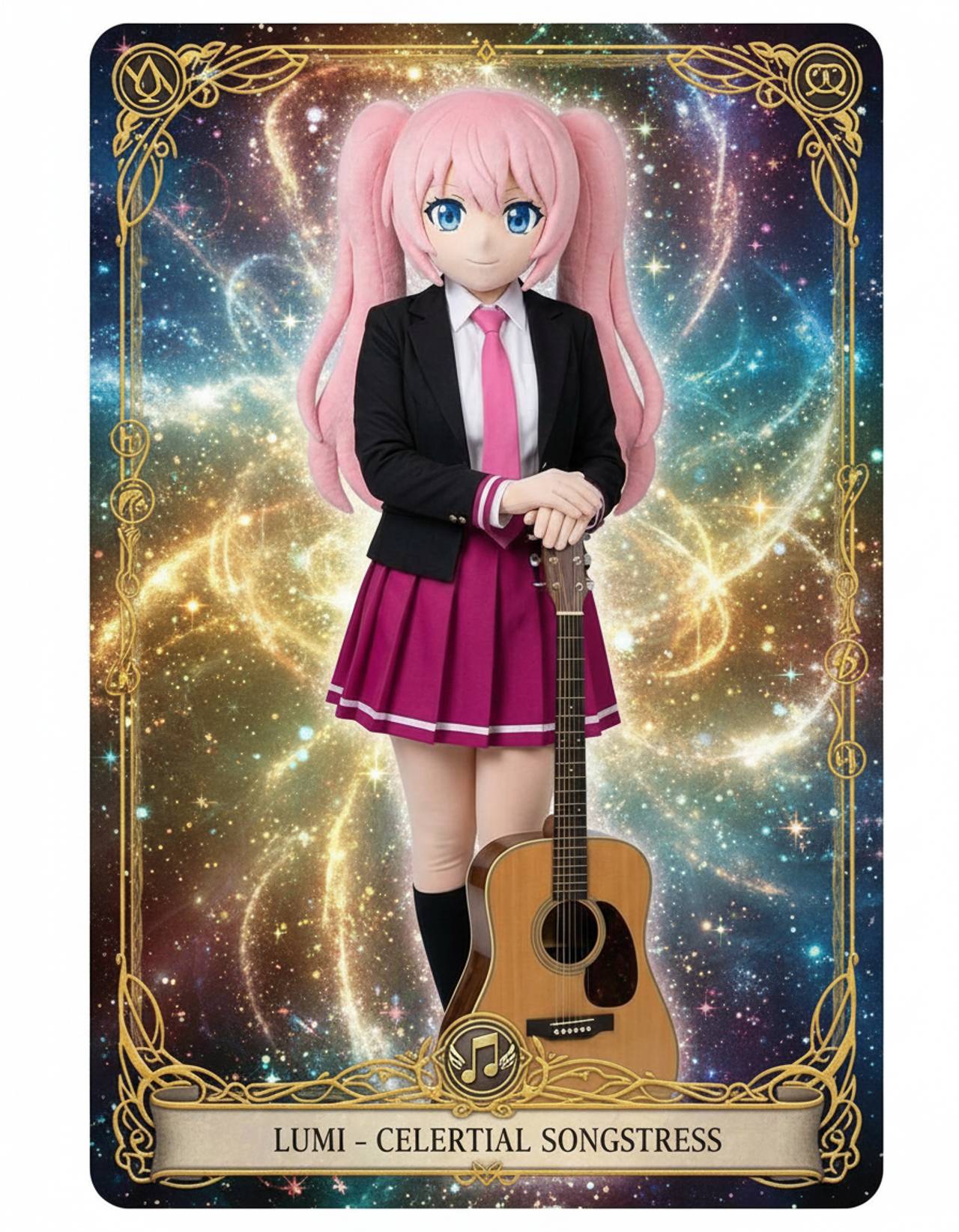
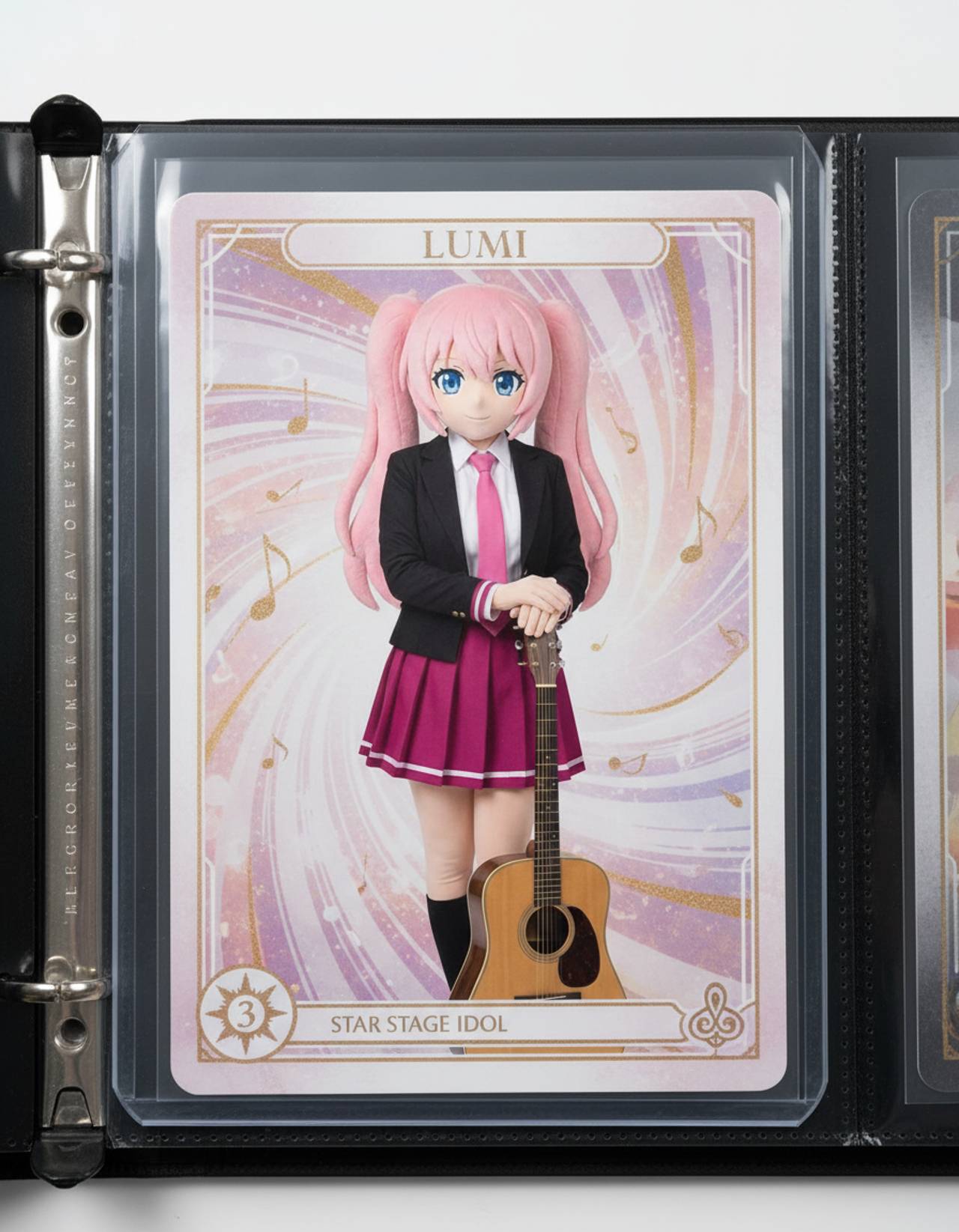
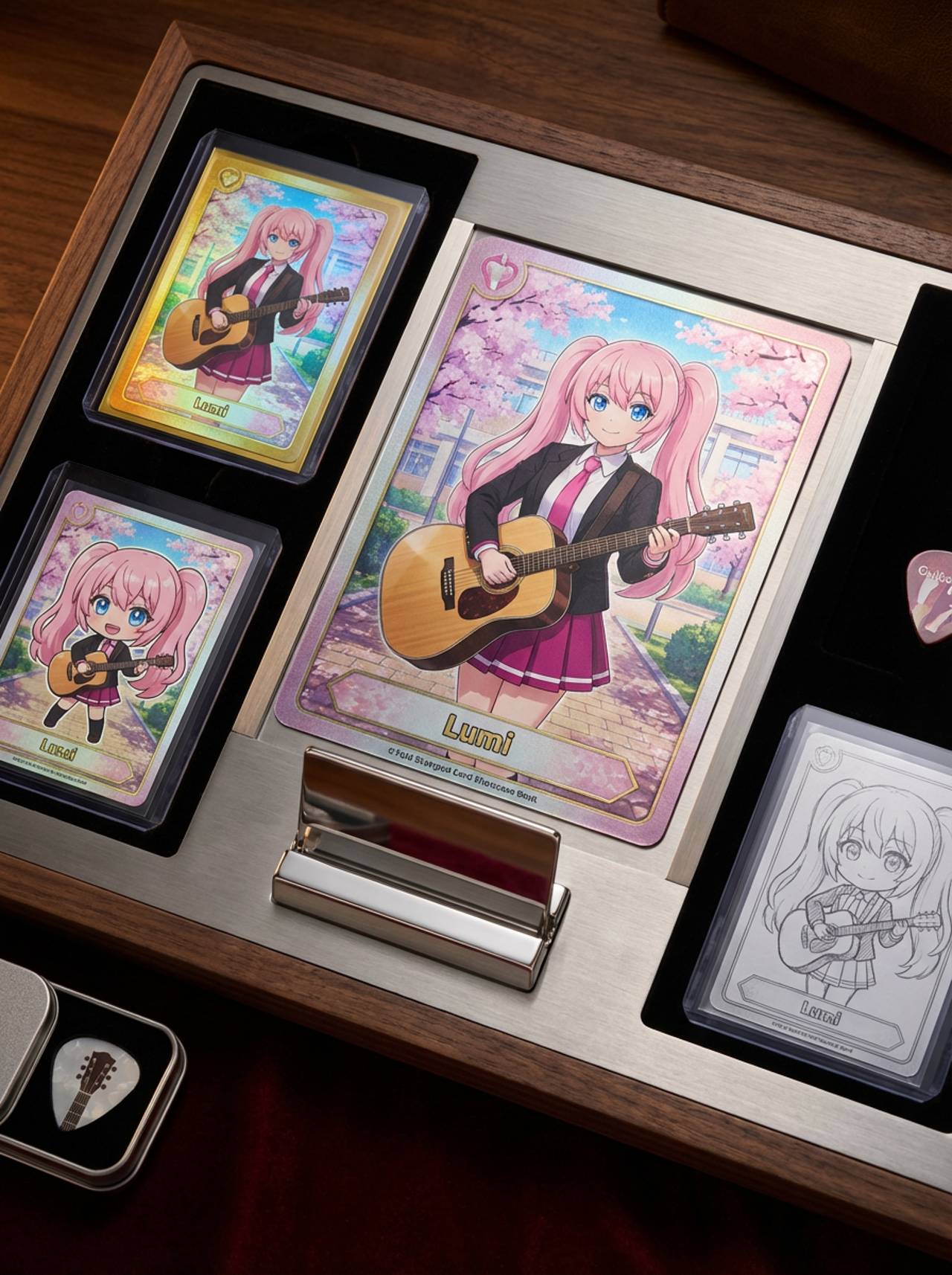
The page focuses on the decisions that make trading card visual outputs usable: input clarity, format constraints, and a practical quality check.
Pushes the image toward framed collectible design instead of a loose character illustration.
Supports foil effects, rarity color, dramatic lighting, and premium reveal energy.
Useful for pitches, social reveals, classroom cards, and fan collectible concepts.
Use these prompts as starting points. Replace the subject, source image, style, and destination with your own project details.
Use my uploaded image as the identity reference. Create trading card visual with collectible card frame, rarity glow, centered character art, stat-panel feel, and clean graphic composition. Keep the key face, color, outfit, and silhouette details recognizable.
This tells the model what must stay stable before asking it to change the presentation.
Create trading card visual for a collectible character card or game pitch visual. Use a clear main subject, strong composition, and collectible card frame, rarity glow, centered character art, stat-panel feel, and clean graphic composition.
This works when you do not have a reference image yet but still need a practical output format.
Refine this result into a polished trading card visual. Prioritize frame readability, subject crop, rarity effect, fake text quality, and whether the character remains central. Remove distracting artifacts and keep the final image easy to reuse.
This turns a first draft into a more useful asset by naming the quality checks directly.
Before treating an AI result as finished, review whether it solves the real creative job and survives practical reuse.
Compare the result with the source or brief. The face, silhouette, palette, and signature details should still feel intentional.
The image should clearly read as trading card visual, not as a generic portrait with a light style change.
Check crop, negative space, subject scale, and whether the image will work as a cover, icon, card, mockup, or scene.
Inspect hands, edges, fake text, small accessories, background clutter, and repeated patterns before publishing.
A useful image should be easy to crop, edit, reference, or hand off to a collaborator without explaining hidden context.
No. It generates the card-style visual. Add final rules, stats, and balancing separately.
Move to the neighboring workflow when your starting point changes from text, to a reference image, to editing, to video.
These nearby intents help users choose the right workflow instead of landing on a page that only half-matches their need.