Character consistency is not one prompt. It is a repeatable production checklist.
If a character changes face shape, height, hair volume, outfit details, or signature props from panel to panel, readers stop trusting the comic. That applies whether you draw by hand, work with an artist, or use an AI-assisted comic workflow.
Start in LlamaGen.AI OC Maker, choose an approved design, and compare later appearances against it. The checklist below works for AI image generation and for human-artist briefs.
Why this matters to comic creators
Across comic creator communities, the same problems come up repeatedly:
Writers want artists or AI tools to understand a character from a clear brief.
Artists want portfolios to show sequential consistency, not just one polished illustration.
Webtoon creators need repeatable faces and outfits across weekly updates.
AI comic creators often get a strong first image, then lose the character by panel three.
Beginners may describe personality well, but forget the visible details a panel actually needs.
The core lesson is simple: readers recognize characters through repeated visual anchors. A story bible helps with motivation and worldbuilding. A character lock file helps with the page.
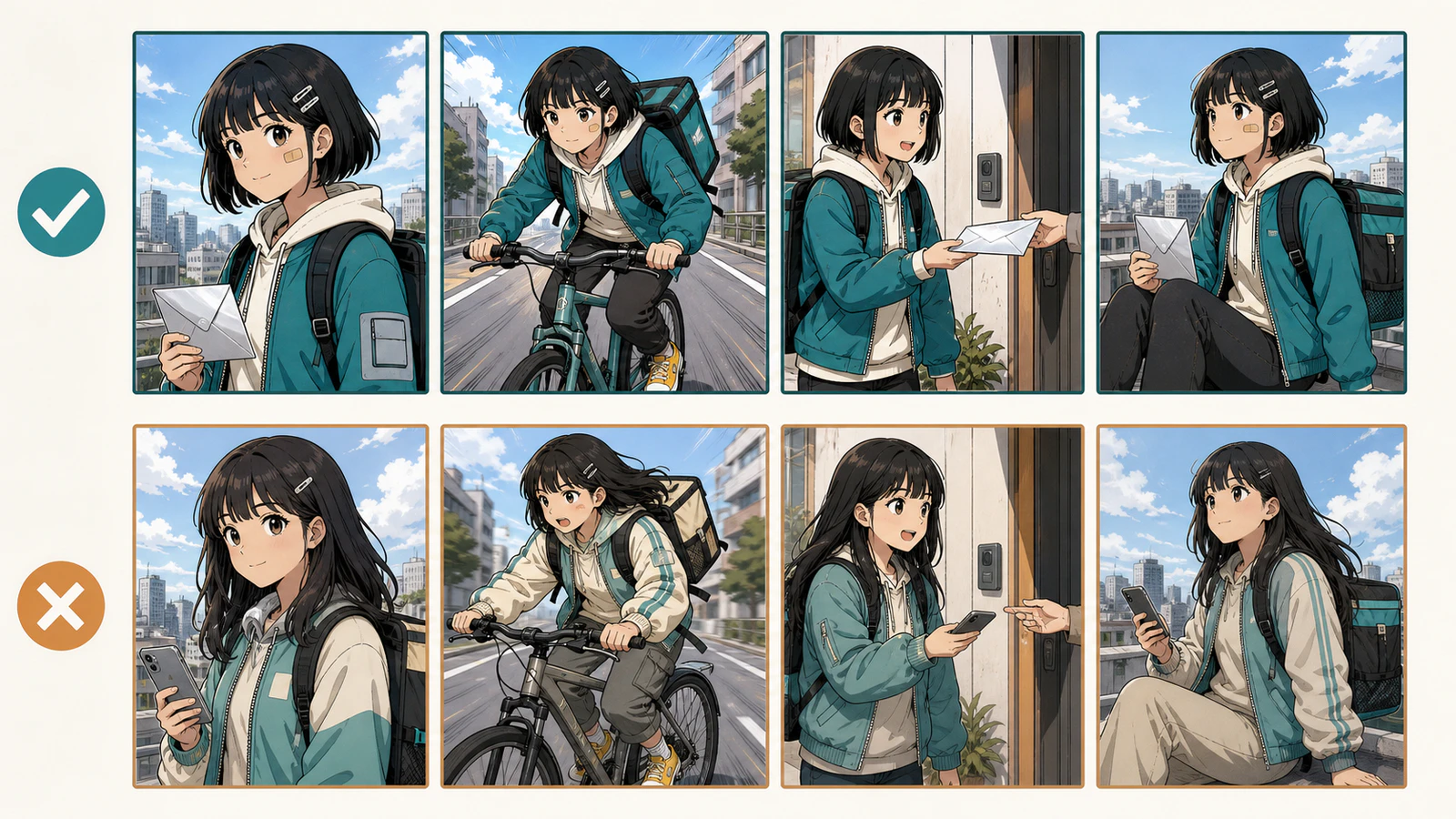
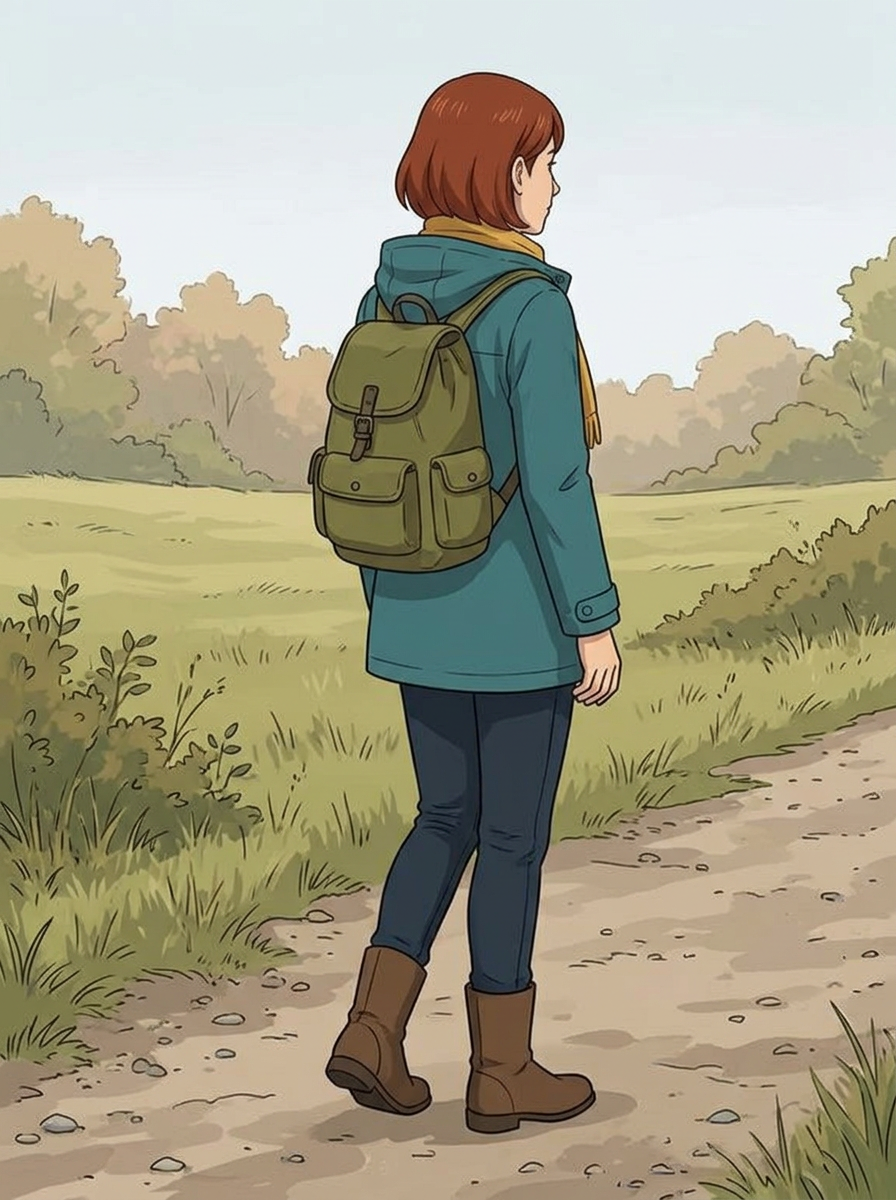
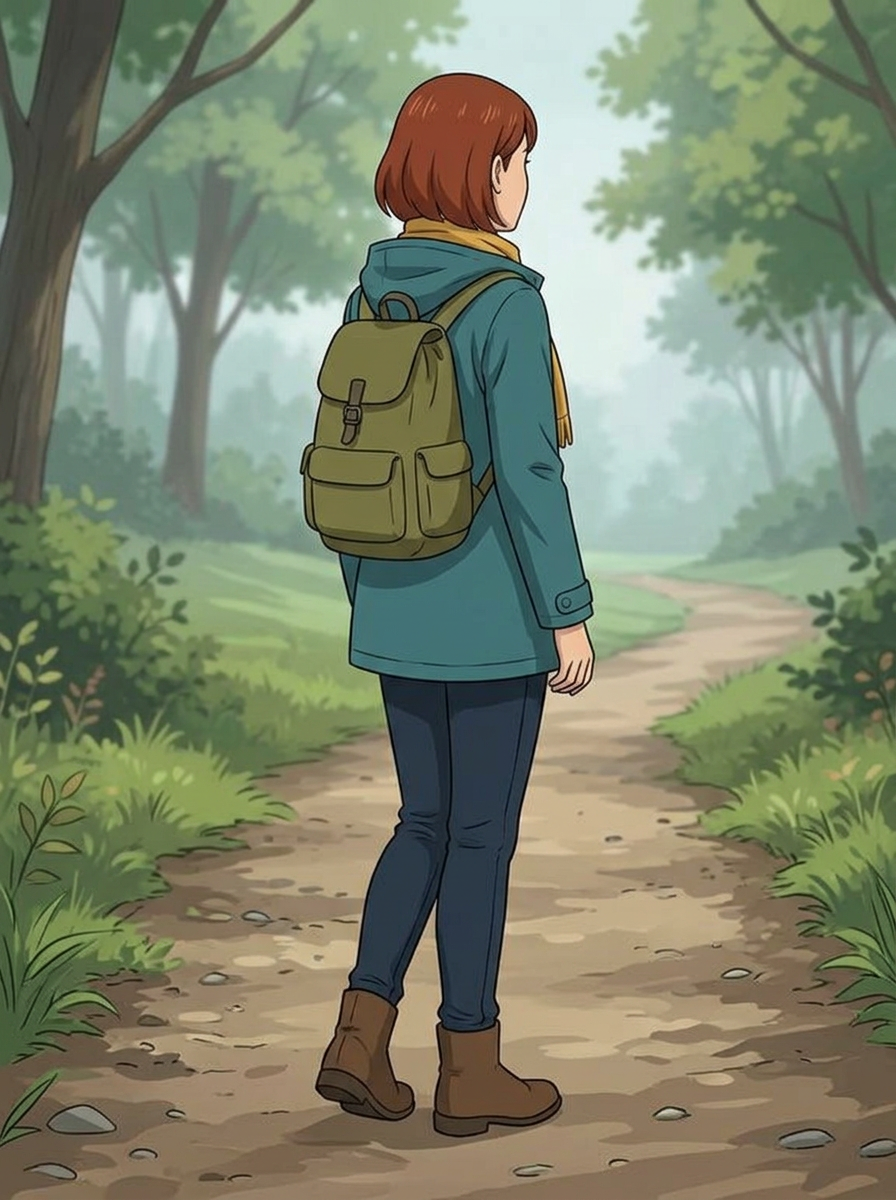
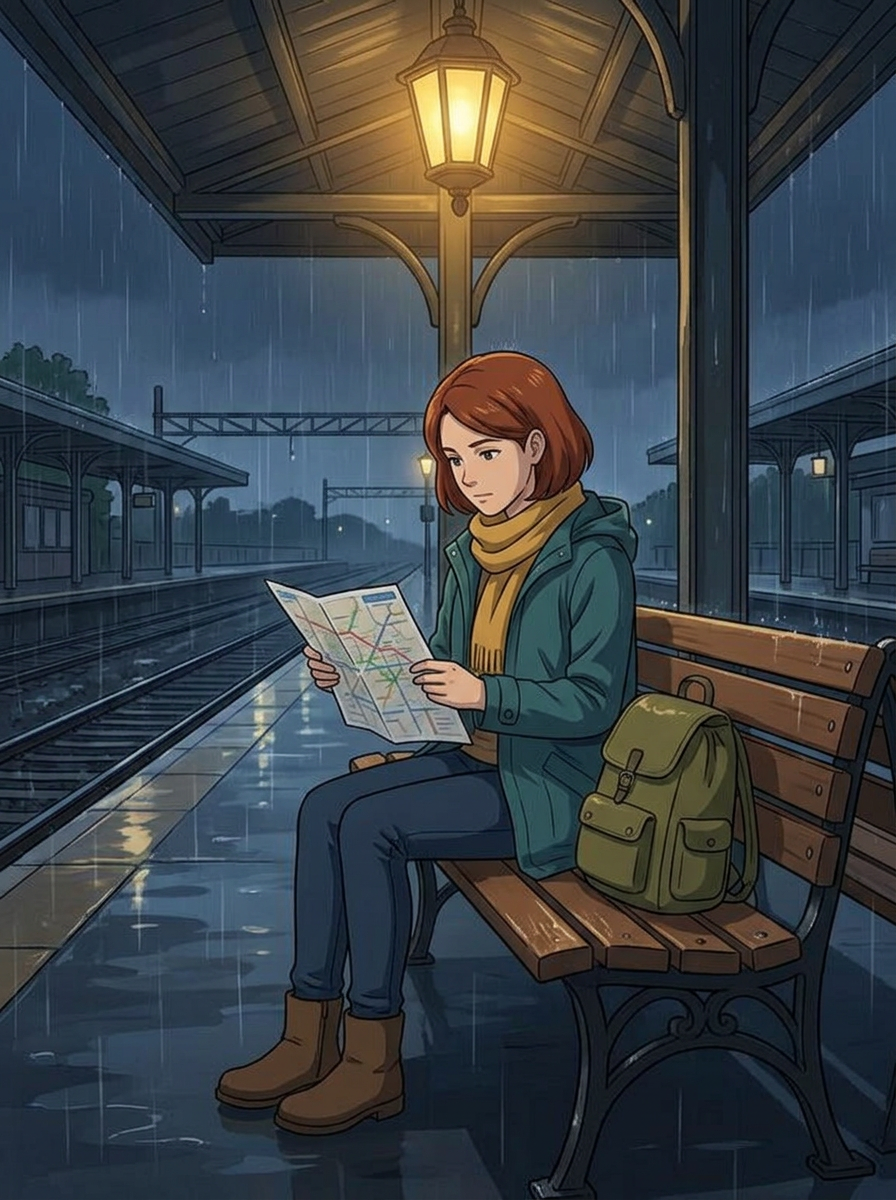
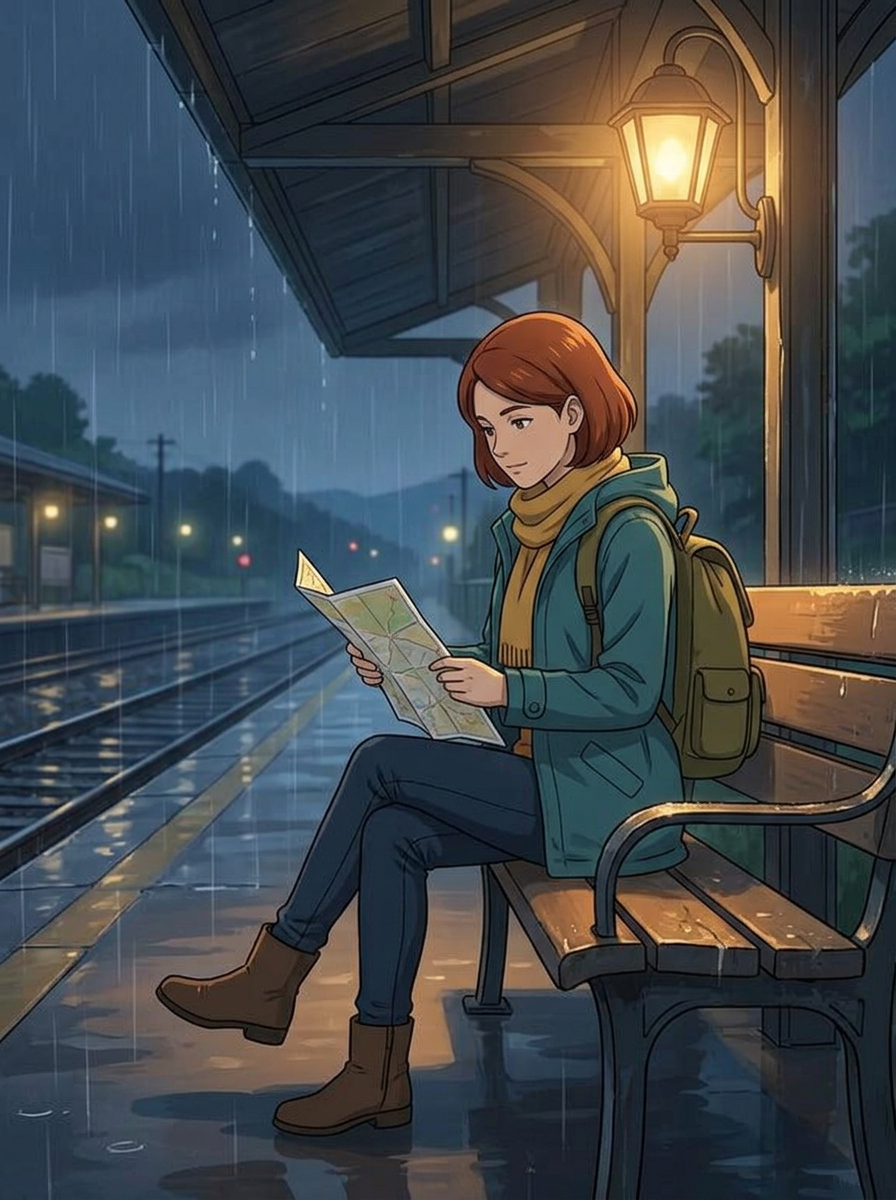
The top row keeps the same face, hair, outfit, and prop anchors across panels. The bottom row shows the kind of drift this checklist is designed to catch before publishing.
Method and evidence
Updated November 11, 2026. The Nia scene and drift illustrations below are retained as teaching examples from the earlier article. Their original generation receipts and timing records are not available in this batch, so this revision does not repeat the earlier elapsed-time or first-pass performance claims.
A new Maya exercise later in the article uses the same owned reference sheet for six tasks and two attempts each through LlamaGen.AI's image playground API. That exercise is separate from the OC Maker and Comic Studio interfaces; it does not measure their saved-character behavior, credit charges, or project export.
更新日誌
點燃年輕人的夢想 讓數百萬個故事活靈活現
彙整最新的 LlamaGen 功能發布、產品強化、設計更新與重要錯誤修正。
✦
✧
✦
✧
全新的媒介,為了 故事創作
用靈感在幾秒內創作無限的故事、漫畫、動畫、遊戲等內容,打動現代觀眾
Comic Character Consistency Checklist: Keep Your OC Recognizable - LlamaGen.AI Blog
Source story idea
Use this retained fictional scene to understand the lock-file method:
Title: Moon Gate Delivery

Nia, a 17-year-old bicycle courier, delivers sealed envelopes through a city where old train stations open into moonlit gardens after midnight.

In the first episode, she receives a silver envelope addressed to "The Person Who Lost Tomorrow." A stray station cat follows her through the gate. When Nia reaches the empty platform, the arrival board shows her own name.

Tone: cozy mystery with gentle supernatural danger.
Format: 6-panel comic page.
Audience: teen and adult manga readers.
The character who must stay consistent is Nia.
Step 1: Make a character lock file
Before generating panels, write down the details that should not drift.
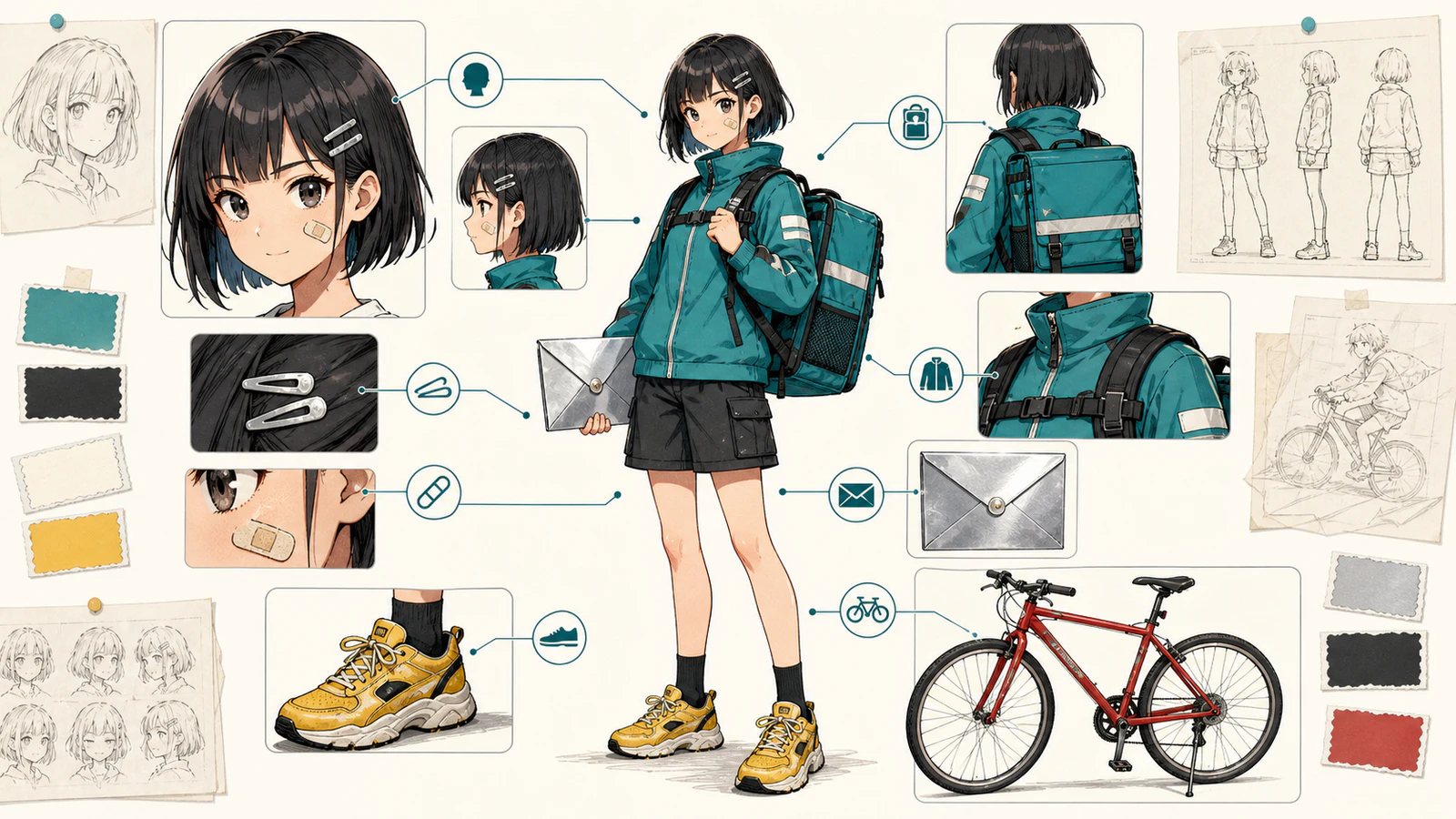
Create a comic character lock file for Nia.

Return:
1. Silhouette anchors.
2. Face anchors.
3. Hair anchors.
4. Outfit anchors.
5. Props.
6. Color palette.
7. Expressions allowed.
8. Changes that are allowed by scene.
9. Details that must not change across panels.
Output example:
Field
Lock
Silhouette
Short athletic build, slightly oversized courier jacket, compact backpack shape.
Face
Round cheeks, sharp curious eyes, small nose, one small bandage on left cheek.
Hair
Black bob cut, chin length, two small silver hair clips on the right side.
Outfit
Teal courier jacket, cream hoodie, dark shorts over leggings, yellow sneakers.
Props
Red bicycle, silver envelope, worn delivery scanner clipped to backpack strap.
Palette
Teal, cream, charcoal, red bicycle accent, silver envelope highlight.
Expressions
Focused, suspicious, surprised, trying to stay brave.
Allowed changes
Helmet on/off, jacket partly unzipped, light changes by scene.
This table becomes the source of truth for every panel.
A good lock file is visual: the reader should be able to verify hair, outfit, props, and silhouette without rereading the whole brief.
What makes a good lock file
A useful lock file focuses on visible identity, not just personality.
Prioritize:
a silhouette that reads at a glance
face markers that survive close-ups
hair details that are easy to verify
outfit pieces that should stay stable across scenes
one or two signature props
a short list of allowed changes
If the file is too vague, the model or artist has room to improvise. If it is too long, prompts become brittle and harder to maintain.
Step 2: Generate a reference sheet first
Do not start with a finished comic page. Start with a model sheet or reference-style image.
Create a clean manga-style character reference sheet for Nia from "Moon Gate Delivery."

Character lock:
- 17-year-old bicycle courier
- short athletic build
- black chin-length bob haircut
- two small silver hair clips on the right side
- round cheeks, sharp curious eyes, small nose
- small bandage on left cheek
- teal courier jacket over cream hoodie
- compact backpack, dark shorts over leggings, yellow sneakers
- red bicycle and silver envelope as key props

Sheet contents:
1. Full-body front pose.
2. Side pose.
3. Close-up face.
4. Three expressions: focused, suspicious, surprised.
5. Small prop view: silver envelope.

Style: clean manga production reference, simple studio background, clear linework, no readable text, no logo, no watermark.
The goal is not to make a final page. The goal is to approve the design before it enters sequential art.
Step 3: Score the reference sheet
Use a simple 0-2 score before continuing.
Check
0 points
1 point
2 points
Face
Looks like a different person
Some anchors present
Face anchors are clear
Hair
Wrong cut or side detail
Right cut, missing clips
Cut and clips are correct
Outfit
Wrong jacket or color
Mostly right
Jacket, hoodie, shoes, backpack all match
Props
Missing key prop
Prop present but unclear
Silver envelope and bicycle read clearly
Silhouette
Generic body shape
Close enough
Recognizable from distance
Style
Mixed or unstable
Mostly consistent
Coherent manga production look
For this editorial checklist, 10 out of 12 is a suggested review gate, not a measured model success rate. Mark a hidden or inapplicable detail as not assessed rather than awarding points for it.
If the score is low, repair the reference sheet first. Panel generation usually does not fix a weak identity; it tends to multiply the problem.
Step 4: Convert the scene into panel briefs
Now build a six-panel plan.
Turn this scene into a 6-panel comic page.

Rules:
- Keep Nia's character lock unchanged in every panel where she appears.
- Do not invent new outfits.
- Keep the silver envelope visible in panels 1, 3, and 6.
- Use varied camera angles, but preserve face and hair anchors.
- Leave room for captions and speech bubbles.
- Do not render readable text inside the art.

For each panel return:
- panel goal
- framing
- action
- continuity anchors
- dialogue or caption need
- what must not change
Example panel plan:
Panel
Goal
Continuity anchors
1
Nia receives the silver envelope outside a closed station.
Nia steps through the gate into a garden-platform hybrid.
Same outfit, backpack shape, cautious expression.
5
Arrival board glows behind her.
Face close-up, clips on right side, no outfit change.
6
Envelope seal reflects her own name.
Silver envelope, hand pose, same sleeve and glove detail.
This is where a character becomes part of a sequence instead of a standalone illustration.
Why panel briefs help
A panel brief separates story function from image generation. That makes it easier to check:
what each panel needs to communicate
which anchors must be visible
where close-ups may hide outfit details
where props must stay on-model
It also reduces the temptation to keep rewriting one giant prompt.
Step 5: Generate the page with continuity rules
Use a prompt that repeats the lock file and the panel plan.
Create a 6-panel manga-style comic page for "Moon Gate Delivery."

Main character continuity:
Nia is a 17-year-old bicycle courier with short athletic build, black chin-length bob haircut, two small silver hair clips on the right side, round cheeks, sharp curious eyes, small nose, small bandage on left cheek, teal courier jacket over cream hoodie, compact backpack, dark shorts over leggings, yellow sneakers. She carries a silver envelope and rides a red bicycle.

Panel plan:
1. Nia receives the silver envelope outside a closed station.
2. Nia rides toward the old platform at night.
3. A stray cat appears beside a moonlit station gate.
4. Nia steps through the gate into a garden-platform hybrid.
5. The arrival board glows behind her.
6. The envelope seal reflects her own name.

Style:
Clean manga linework, readable sequential layout, cozy mystery lighting, clear panel borders, expressive faces, controlled camera variation.

Important:
Keep Nia's hair clips, cheek bandage, teal jacket, backpack silhouette, yellow sneakers, red bicycle, and silver envelope consistent. Leave room for speech bubbles. Do not generate readable text, logos, or watermarks.
Step 6: Run a consistency pass
After the page is generated, check each panel against the lock file.
Anchor
Pass question
Face
Would a reader recognize Nia without the caption?
Hair
Are the bob length and hair clips consistent?
Outfit
Did the jacket, hoodie, backpack, shorts, leggings, and sneakers stay stable?
Prop
Is the silver envelope the same object, not a different random letter or device?
Scale
Does Nia keep the same age and body proportion?
Style
Do all panels look like the same comic?
Story role
Is each pose serving the panel beat?
Do not accept "close enough" if the change affects identity. Fix the panel.
An illustrated drift example
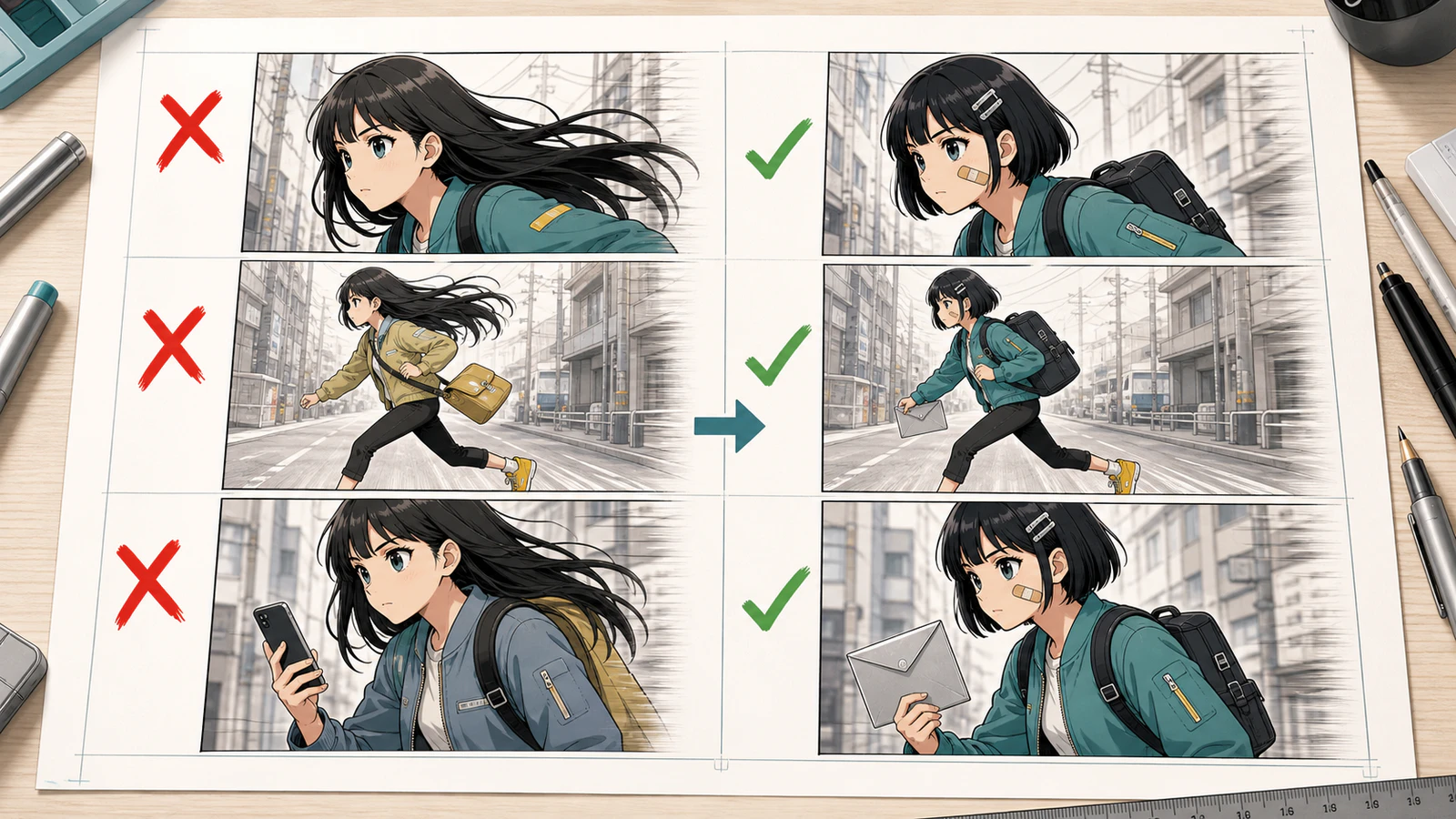
These three changes illustrate errors the checklist should catch. They are not results of the new Maya exercise:
Problem
What happened
Why it matters
Hair drift
Nia's bob became long in panel 4.
The silhouette changed.
Outfit drift
The teal jacket became a school blazer in panel 5.
The role changed from courier to student.
Prop drift
The silver envelope became a phone in panel 6.
The story clue disappeared.
This was not a reason to restart the whole page. It was a reason to repair the weak panels.
A narrow repair pass works best when it preserves the strong panels and only restores the broken identity anchors.
Repair prompt
Use a targeted repair prompt:
Repair panels 4, 5, and 6 only.

Keep the approved layout, lighting, and story beats.

Character lock to restore:
- black chin-length bob haircut
- two small silver hair clips on the right side
- small bandage on left cheek
- teal courier jacket over cream hoodie
- compact backpack silhouette
- dark shorts over leggings
- yellow sneakers
- silver envelope must remain a sealed envelope

Do not change panel order. Do not add readable text. Do not redesign Nia.
The best repair prompt is narrow. It names what changed, what must return, and what should stay untouched.
When to repair instead of regenerate
Use repair when:
the composition works but one or two anchors drifted
the storytelling is clear and only identity needs correction
later panels need to match earlier approved panels
Regenerate only when the page fails at the layout, storytelling, or overall style level.
Keep the same OC recognizable in different poses
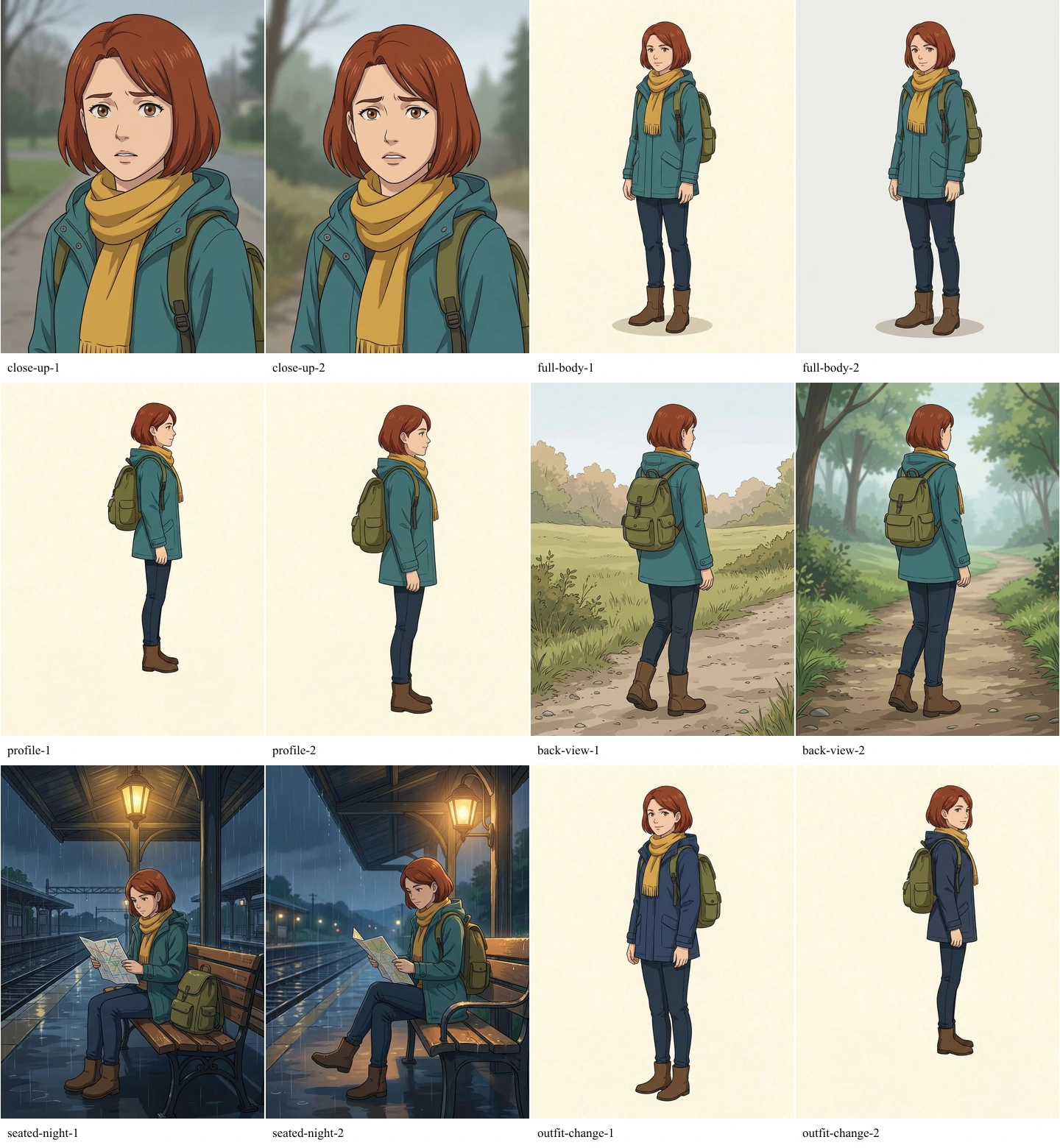
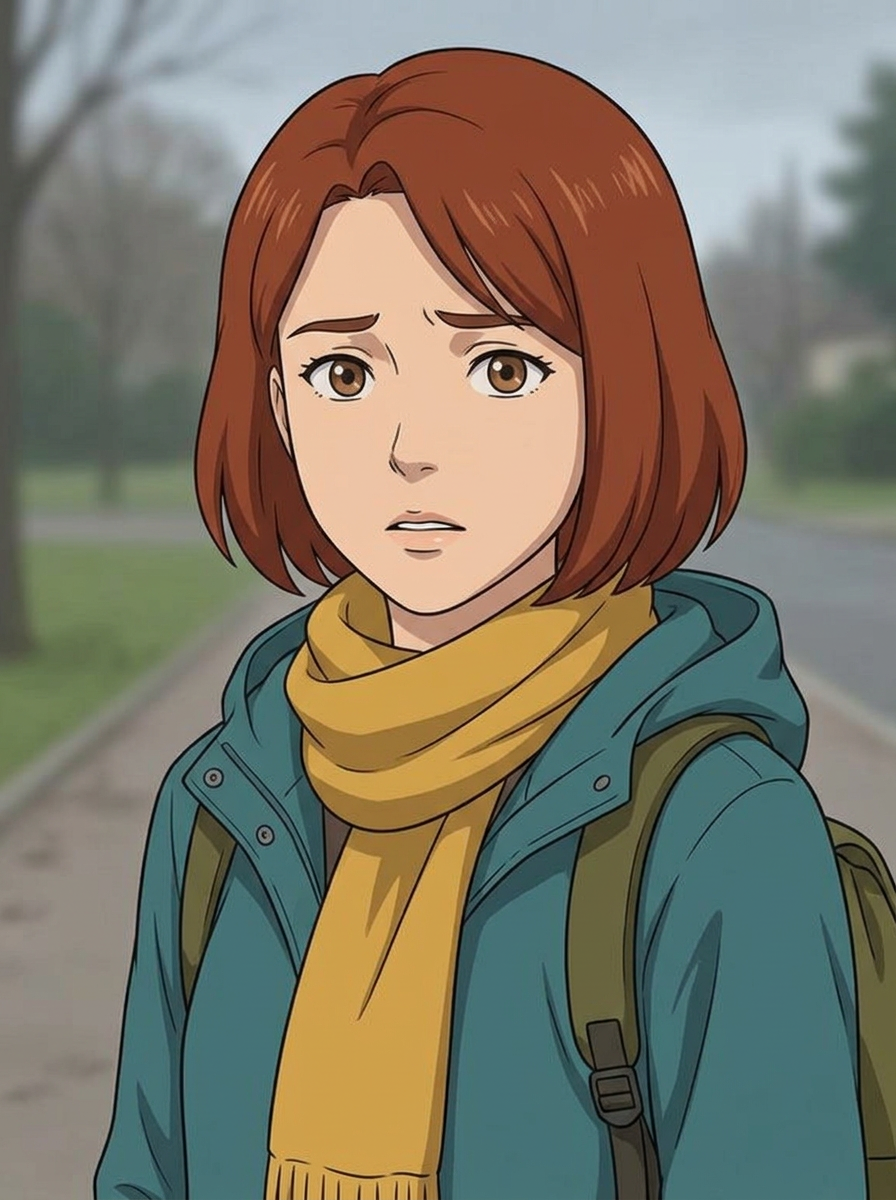
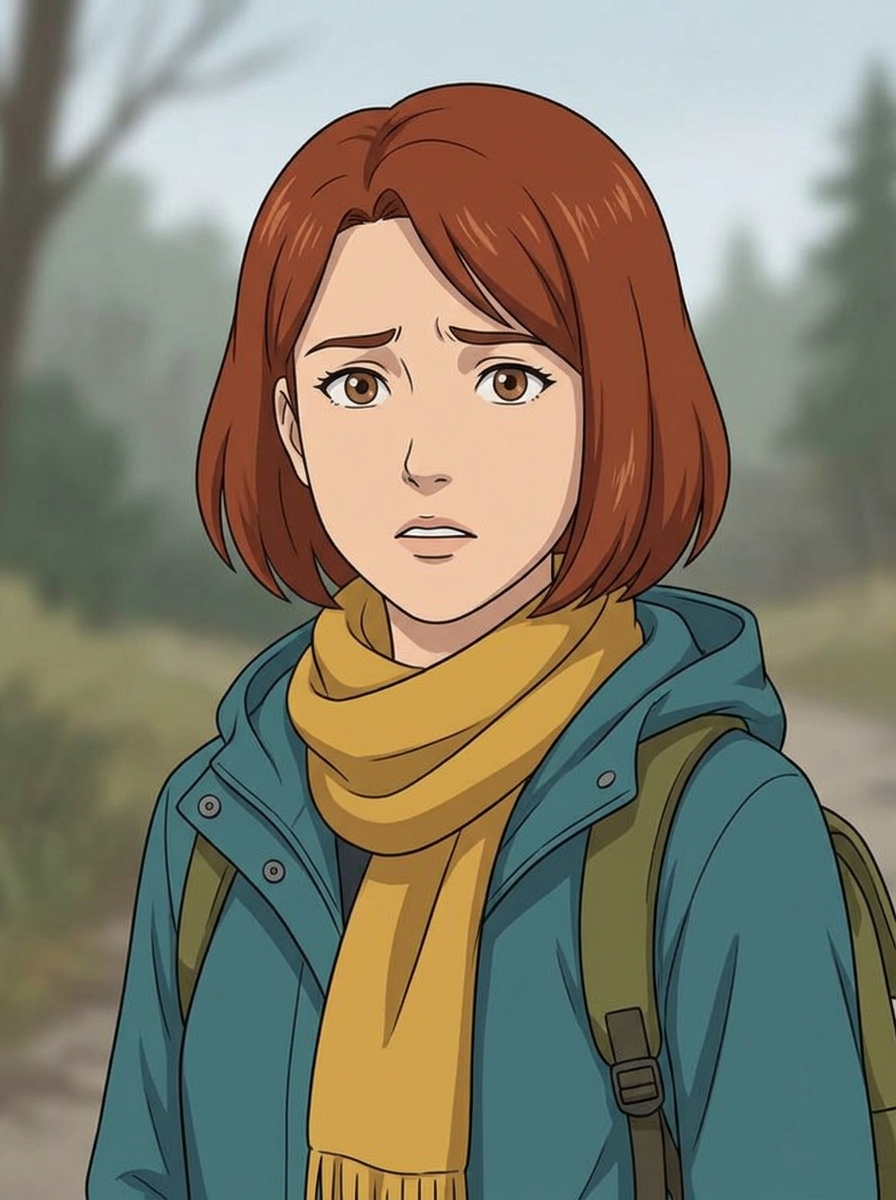
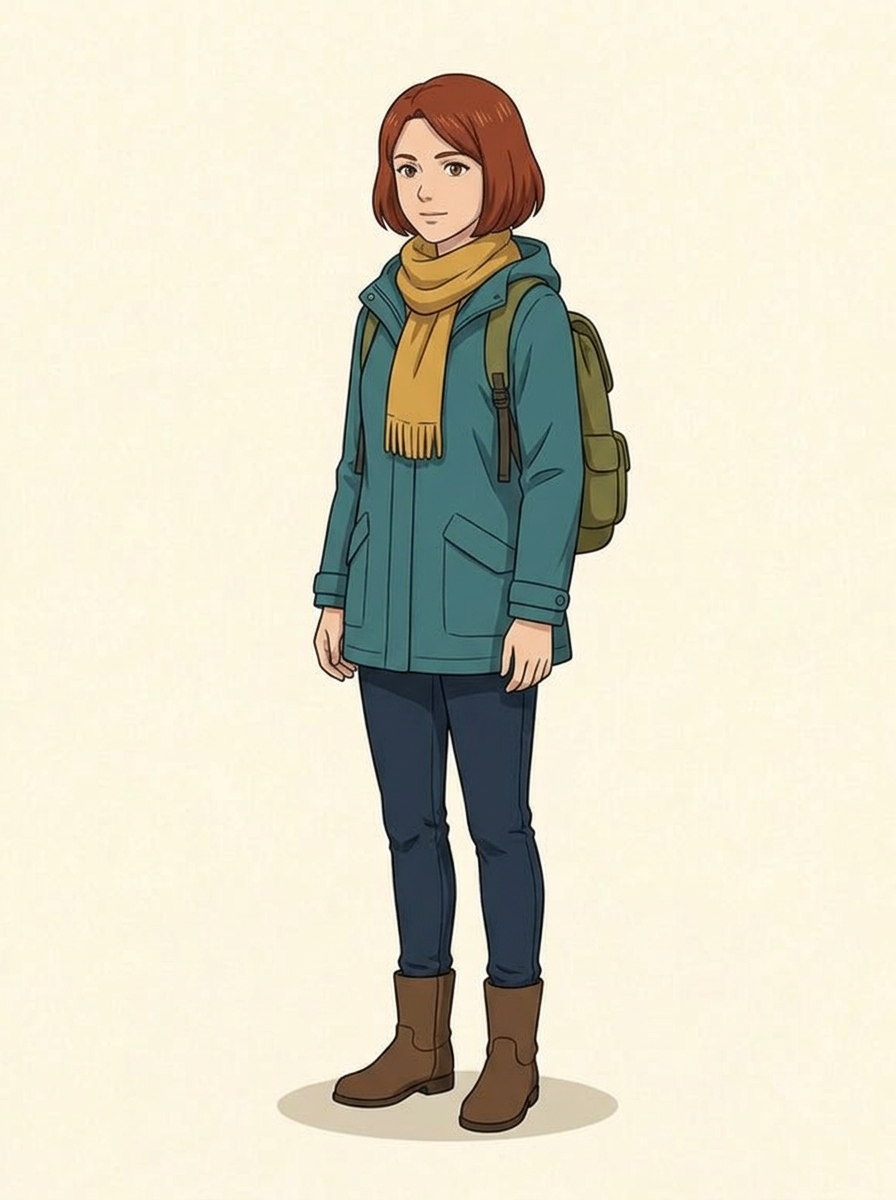
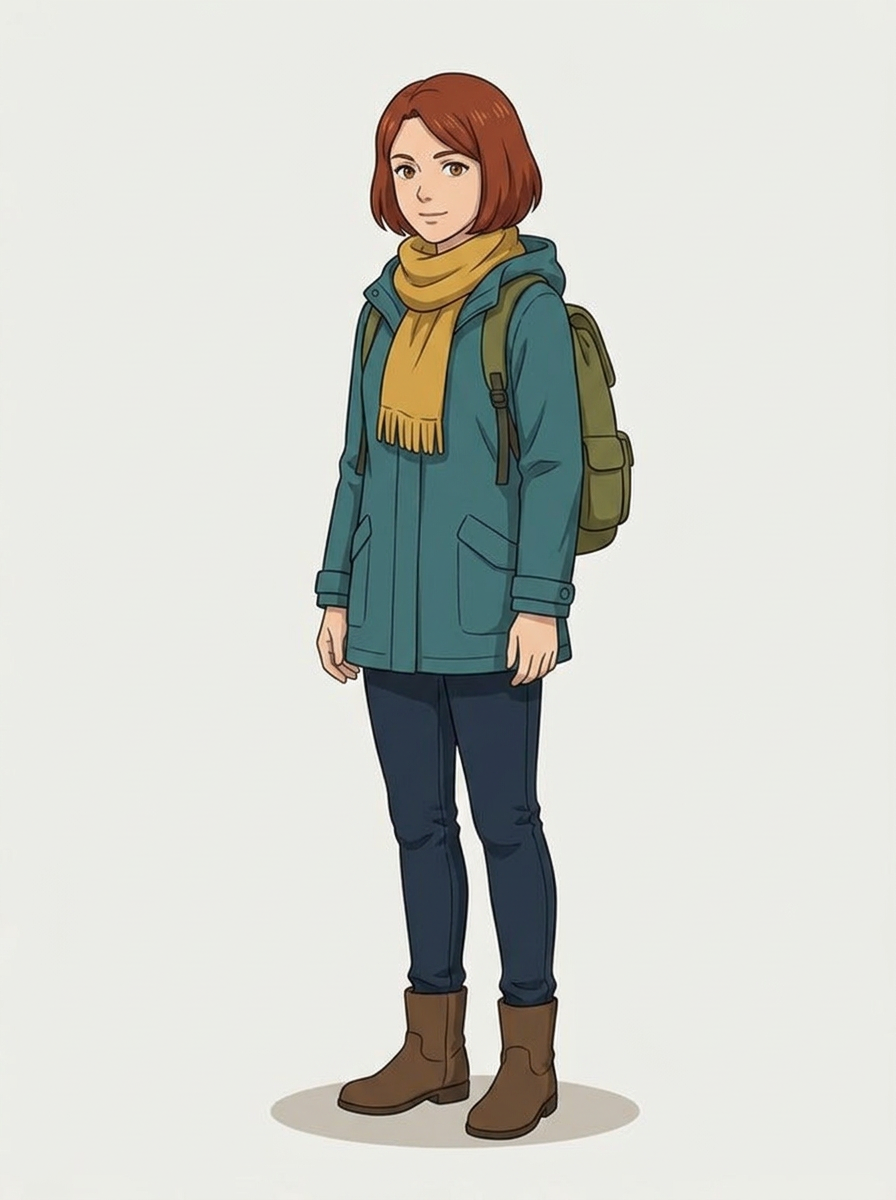
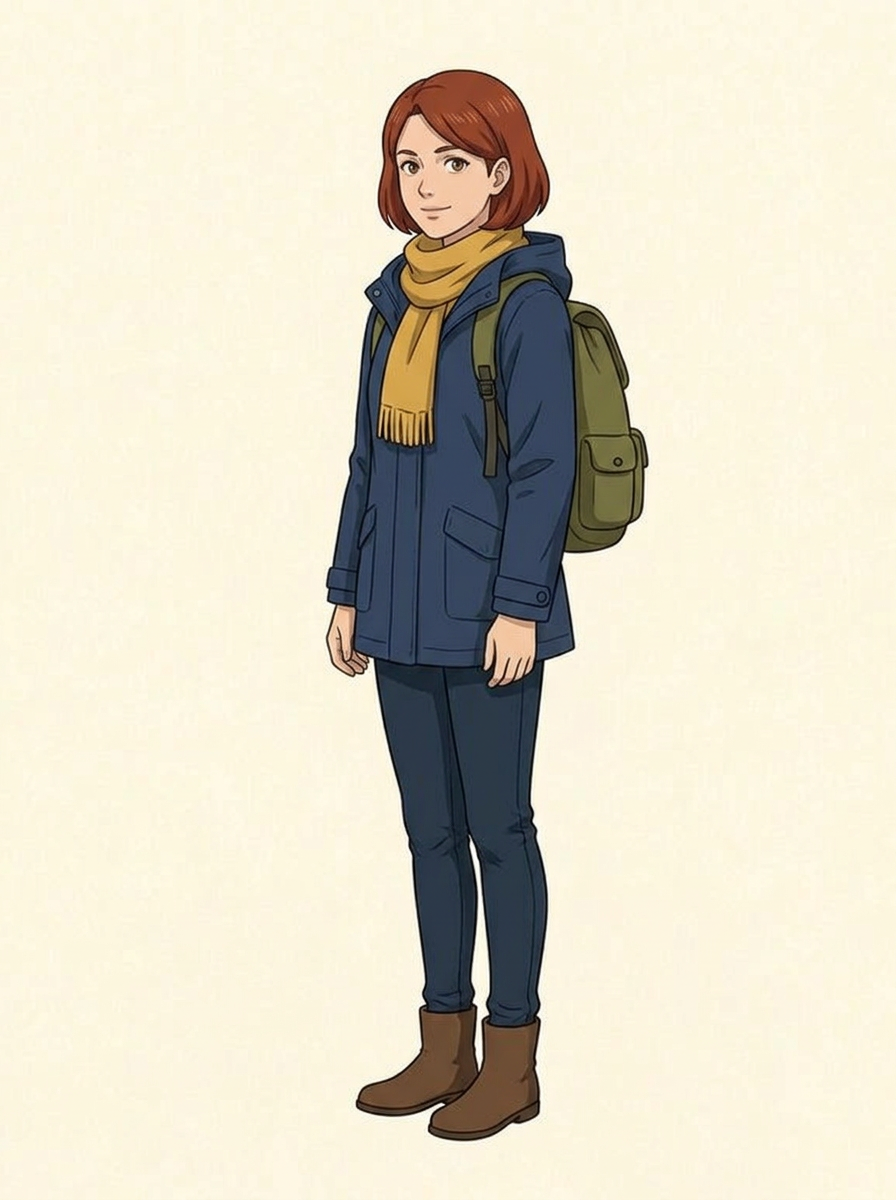
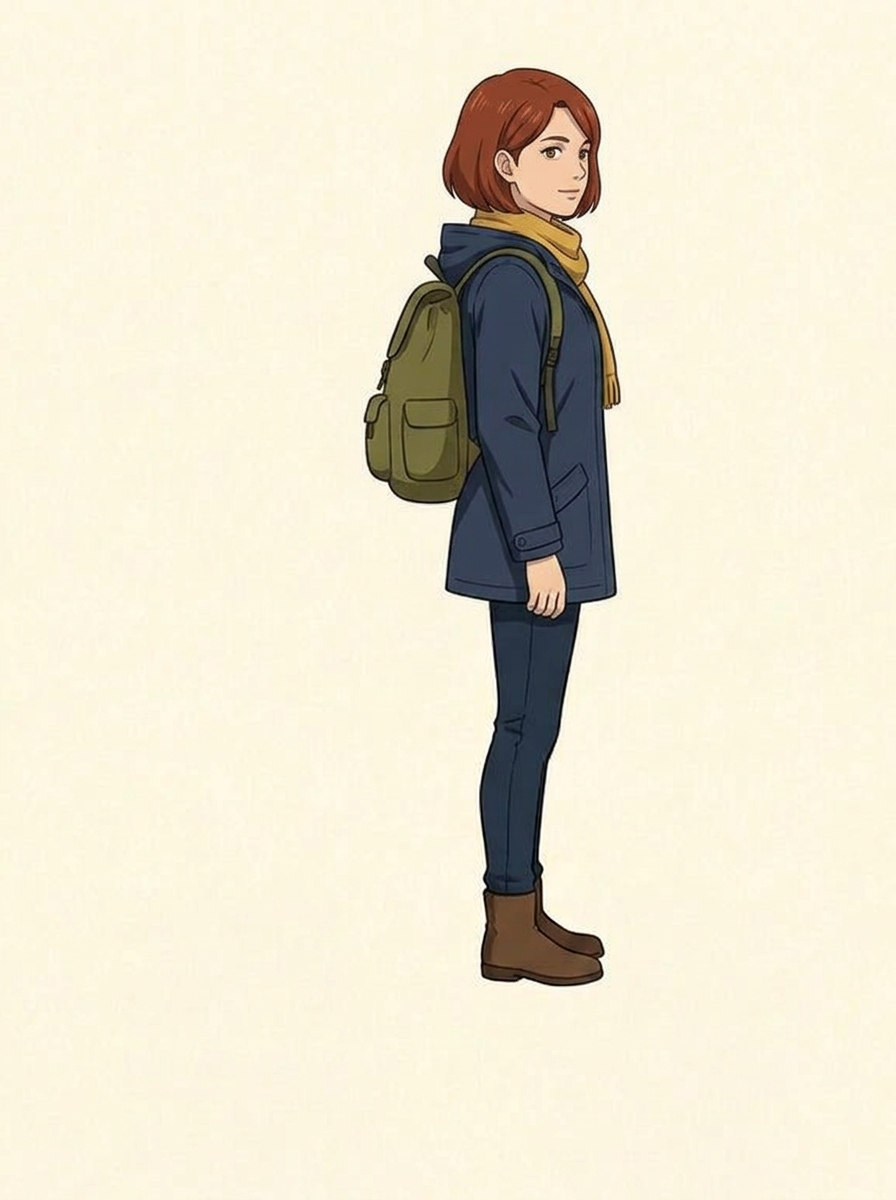
Maya provides a second example for applying this checklist to an OC you already own. Her approved sheet uses an adult face, short auburn bob, teal rain jacket, mustard scarf, dark jeans, brown boots, and compact olive backpack. The reference-sheet guide explains how to document those details before making a sequence.
The important distinction is between identity, the selected costume, and the requested pose. A new pose can be wrong while the character remains recognizable. An approved costume change can be correct even though its colors differ from the original. Review those questions separately.
What changed and what stayed fixed
For five tasks, the teal jacket remained fixed. In the sixth task, we explicitly requested a navy jacket of the same general cut. Hair, scarf, apparent adult age, jeans, boots, and backpack remained part of the brief.
Visible identity and costume under different light
Outfit change
Teal jacket becomes navy
Hair, scarf, proportions, and the approved new coat color
This is a useful small test for a consistent OC: change one condition at a time and decide what is allowed before inspecting the output. Otherwise, you can accidentally reject a requested costume change or accept an unrequested identity change.
The twelve retained outputs
The exercise used LlamaGen.AI's image playground API with Vertex Nano Banana 2.1. Every request received the same reference-sheet URL and a stable character description, plus one task instruction. There were two initial attempts for each task. The requested seeds were retained in the run records; we do not claim that a supported seed makes future generations deterministic.
These are actual outputs from the image-API exercise. Every initial result is retained, including the views we wanted to refine. They are not a screenshot of OC Maker or a test of its saved-character system.
Across these twelve images, the short auburn hair and mustard scarf remained visible, and the jacket followed the requested color: ten teal outputs and two navy outputs. That is a narrow observation about these samples. We did not compute a face-match score, and the back-view pair was not scored for full-face identity. A hidden backpack detail or cropped boot is not automatically a pass.
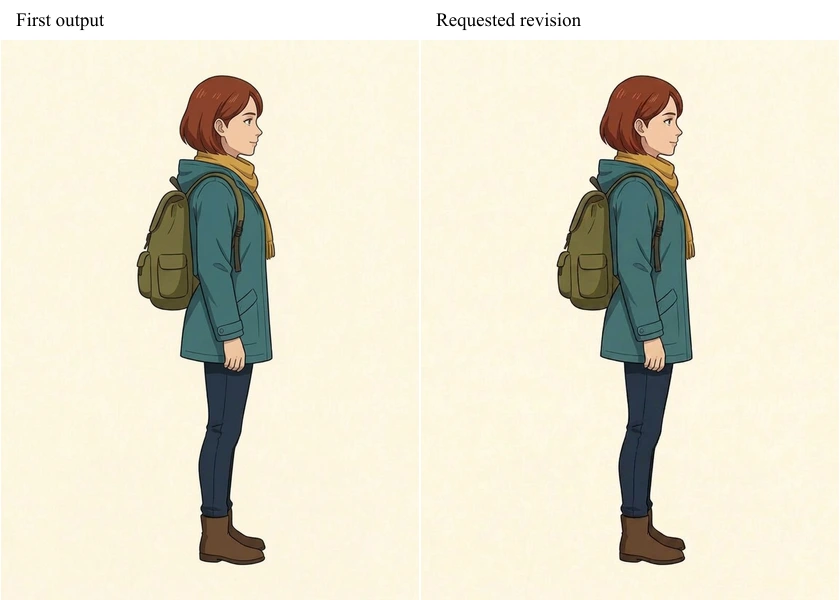
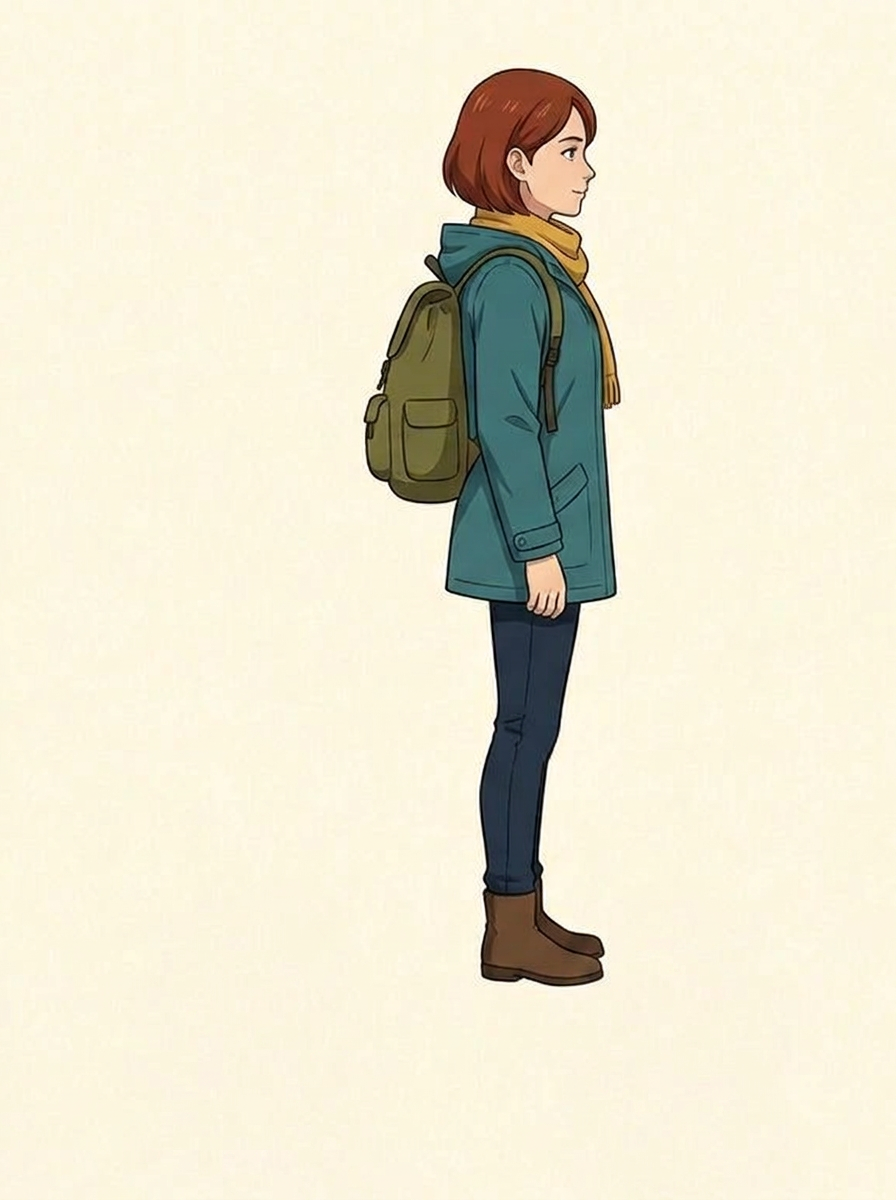
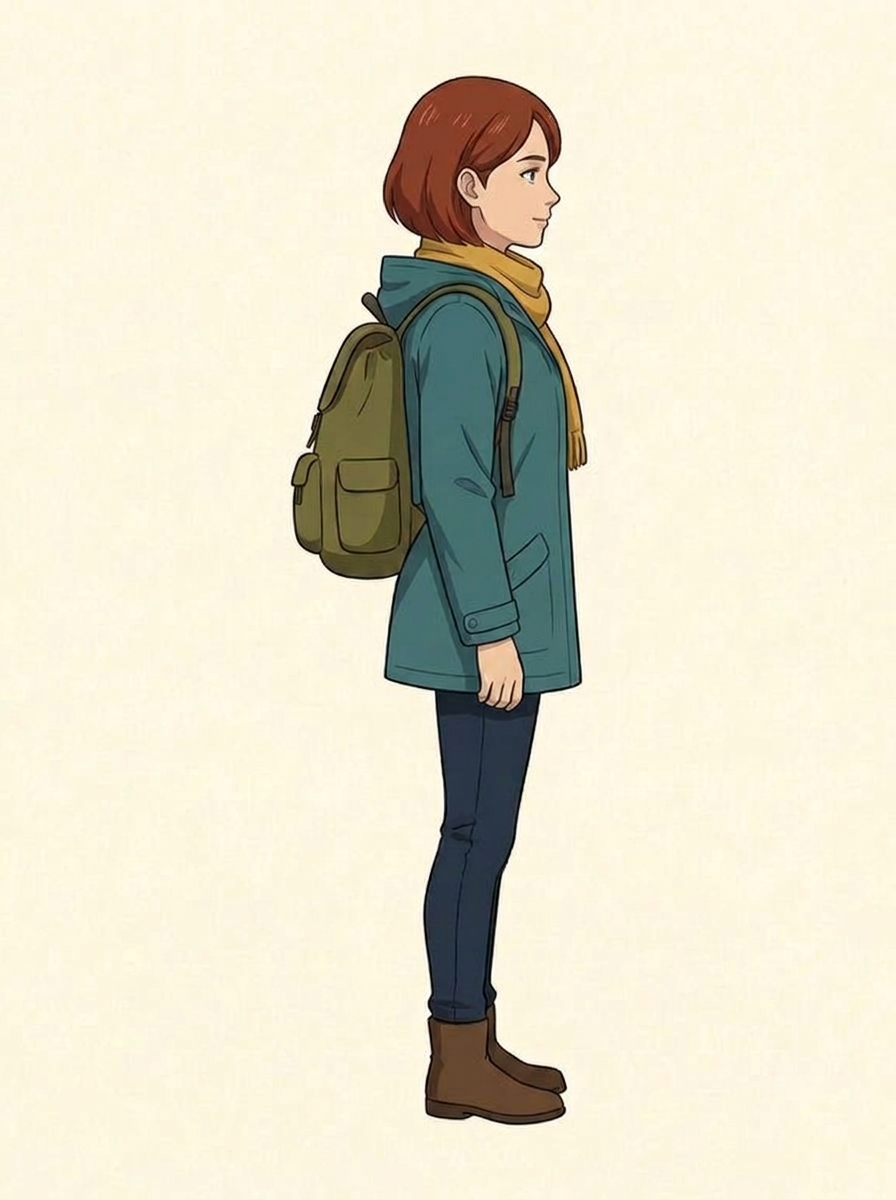
For the side-profile pair, the second result prompted an editorial request for a stricter side-facing torso. The second navy outfit image also turned away more than we wanted for a front-facing comparison, but the prompt had not explicitly required a front three-quarter view. We therefore do not count that preference as an objective generation failure. This is why a pass/fail checklist needs specific instructions, not just a general feeling that the image is off.
The original files are available here so you can make your own comparison:
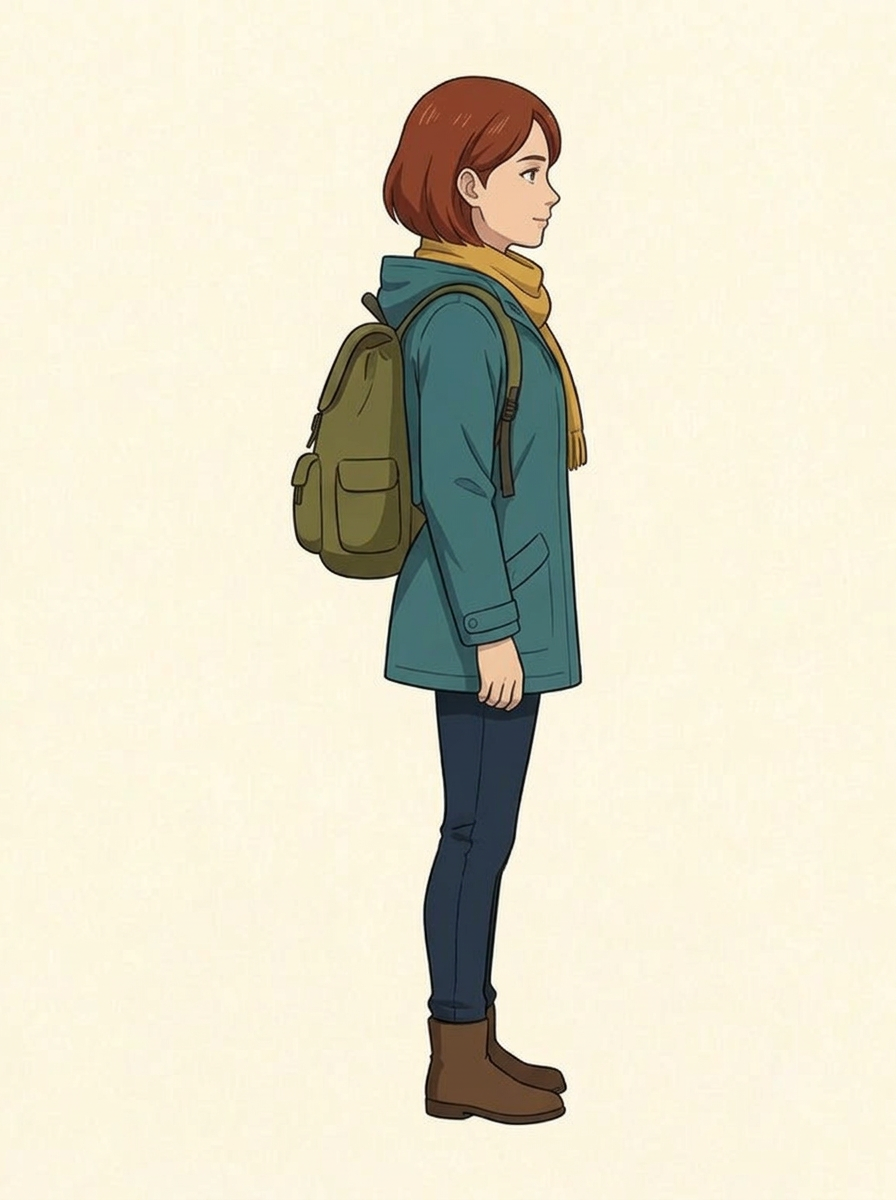
We requested one additional side-profile image using the prior output and the approved reference. The correction specified that the head, shoulders, hips, knees, and boots should all point to the right. It kept the character description stable.
Make the full body a strict side profile facing right.
Preserve the adult face, short auburn bob, teal jacket, mustard scarf,
dark jeans, brown boots, compact olive backpack, and illustrated style.
Show one character on a simple background.
The right image is a real additional API generation, available as the revision original. The comparison illustrates a requested pose refinement. It is not a masked edit, so it does not establish that every unrelated pixel remained unchanged.
Review the complete revised image. The backpack, hand, coat pockets, framing, and face can all change along with the pose. Keep the earlier version until you approve the replacement. A successful revision is a new selected version, not proof that later generations will always match it.
Save the result and its limits
Keep the reference version, task prompt, output, and review note together. Record which changes were intentional and which details were not visible enough to judge. Preserve both initial attempts rather than showing only a chosen winner.
The retained receipts include prediction IDs, model/provider fields, requested inputs, image dimensions, hashes, and client elapsed times. Studio credit charges and settled monetary costs were not measured. This exercise does not establish a universal consistency rate or the behavior of a native comic-project redraw.
Once a selected version is ready, use it in the six-panel OC workflow. Continue the same checks across the actual panels; a collection of consistent portraits does not yet prove that the story reads clearly.
The checklist before publishing
Use this before exporting:
Check
Pass
Lock file exists
The character has visible anchors, not only personality notes.
Reference sheet approved
Full body, face, expressions, and key props are stable.
Prompt repeats anchors
Every generation prompt includes the identity-critical details.
Panel plan is separate
Story beats are approved before art generation.
Drift is scored
Face, hair, outfit, props, scale, and style are checked.
Repair is targeted
Weak panels are fixed without changing the whole page.
Text is clean
No fake readable text appears in the generated art.
Export is reviewed
The character reads correctly at mobile size.
What to include in an artist brief
This same checklist also helps when hiring a human artist.
Brief section
What to include
Story role
What the character wants in the scene.
Visual anchors
Face, hair, silhouette, outfit, props.
Emotion range
Expressions the character should show.
Panel usage
Which panels require close-ups, action, or silence.
Do-not-change list
Details that define identity.
References
Approved reference sheet and any style examples.
Creators usually get better results when the brief separates story intent from visual identity.
FAQ
Can AI keep comic characters perfectly consistent?
Not perfectly in every case. Consistency improves when you use a stable character lock file, a reference sheet, and targeted repair prompts. Treat the first image as production input, not as magic.
Should I describe personality or visual details first?
Use both, but visual details matter more for panel continuity. "Brave and shy" helps performance. Hair, face, outfit, silhouette, and props help recognition.
How many character anchors should I use?
Use 5 to 8 identity anchors. Too few causes drift. Too many can make prompts brittle. Face, hair, outfit, silhouette, and one signature prop are usually enough to start.
That is slower than typing one prompt. It is also how you reduce the chance that your main character becomes a different person halfway through the page.