
Character consistency is not one prompt. It is a repeatable production checklist.
If a character changes face shape, height, hair volume, outfit details, or signature props from panel to panel, readers stop trusting the comic. That applies whether you draw by hand, work with an artist, or use an AI-assisted comic workflow.
A practical workflow looks like this:
character lock file -> reference sheet -> panel prompts -> consistency score -> repair pass -> export
Start with the LlamaGen.AI consistent character workflow, then move the approved character into comic panels only after the identity is stable.
Across comic creator communities, the same problems keep coming up:
The core lesson is simple: readers recognize characters through repeated visual anchors. A story bible helps with motivation and worldbuilding. A character lock file helps with the page.
A rundown of the latest LlamaGen feature releases, product enhancements, design updates, and important bug fixes.
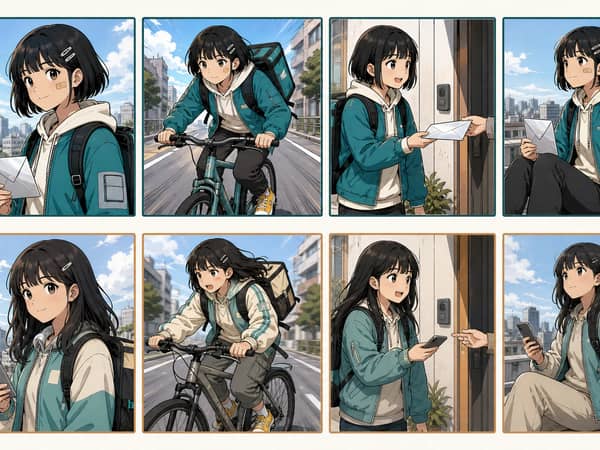
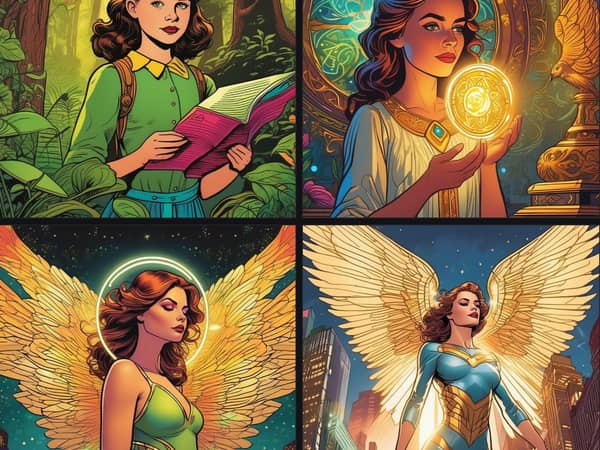
The top row keeps the same face, hair, outfit, and prop anchors across panels. The bottom row shows the kind of drift this checklist is designed to catch before publishing.
This test was designed for a beginner creator making the first episode of a short manga-style comic.
| Test item | Setup |
|---|---|
| Date tested | August 9, 2026 |
| Project | Moon Gate Delivery |
| Source input | 1-page story idea and 2-character cast |
| Creator stage | After premise, before generating the first comic page |
| Target output | Character lock file, reference sheet prompt, 6-panel prompt, repair checklist |
| Active editing time | About 18 minutes |
| Total elapsed time | About 42 minutes including one failed pass and repair |
| AI/editorial model note | CMS editorial review used GPT-5.4; product model and credit cost can vary by workspace settings and output type |
| Credits / cost note | Treat this as a workflow test, not a pricing benchmark |
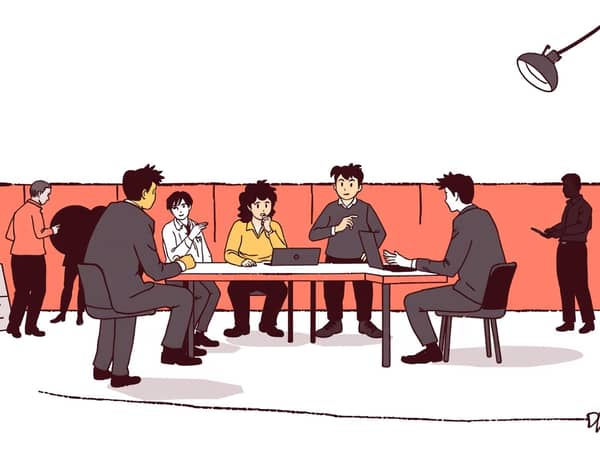
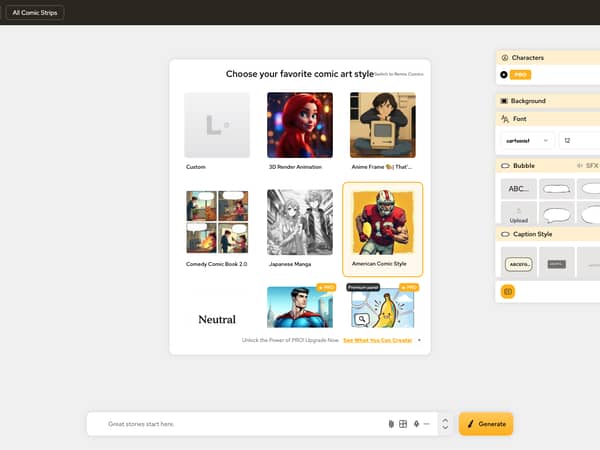
These LlamaGen.AI surfaces are useful when the goal is consistent sequential storytelling.
The test question was:
Can a beginner keep one main character recognizable across six panels without rewriting the entire prompt every time?
This was the test scene:
Title: Moon Gate Delivery

Nia, a 17-year-old bicycle courier, delivers sealed envelopes through a city where old train stations open into moonlit gardens after midnight.

In the first episode, she receives a silver envelope addressed to "The Person Who Lost Tomorrow." A stray station cat follows her through the gate. When Nia reaches the empty platform, the arrival board shows her own name.

Tone: cozy mystery with gentle supernatural danger.
Format: 6-panel comic page.
Audience: teen and adult manga readers.
The character who must stay consistent is Nia.
Before generating panels, write down the details that should not drift.
Create a comic character lock file for Nia.

Return:
1. Silhouette anchors.
2. Face anchors.
3. Hair anchors.
4. Outfit anchors.
5. Props.
6. Color palette.
7. Expressions allowed.
8. Changes that are allowed by scene.
9. Details that must not change across panels.
Output example:
| Field | Lock |
|---|---|
| Silhouette | Short athletic build, slightly oversized courier jacket, compact backpack shape. |
| Face | Round cheeks, sharp curious eyes, small nose, one small bandage on left cheek. |
| Hair | Black bob cut, chin length, two small silver hair clips on the right side. |
| Outfit | Teal courier jacket, cream hoodie, dark shorts over leggings, yellow sneakers. |
| Props | Red bicycle, silver envelope, worn delivery scanner clipped to backpack strap. |
| Palette | Teal, cream, charcoal, red bicycle accent, silver envelope highlight. |
| Expressions | Focused, suspicious, surprised, trying to stay brave. |
| Allowed changes | Helmet on/off, jacket partly unzipped, light changes by scene. |
| Never change | Hair clips, cheek bandage, jacket color, backpack silhouette, silver envelope. |
This table becomes the source of truth for every panel.
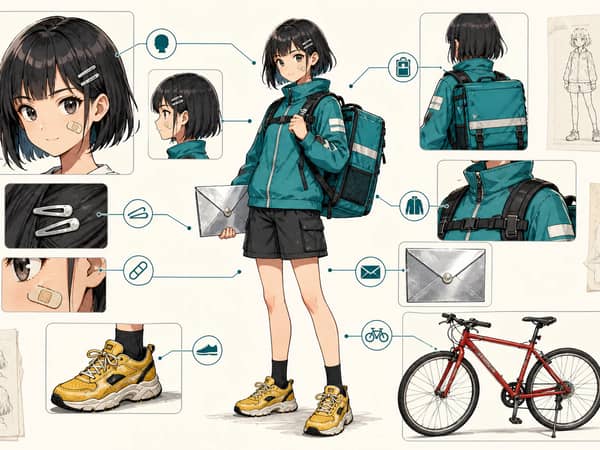
A good lock file is visual: the reader should be able to verify hair, outfit, props, and silhouette without rereading the whole brief.
A useful lock file focuses on visible identity, not just personality.
Prioritize:
If the file is too vague, the model or artist has room to improvise. If it is too long, prompts become brittle and harder to maintain.
Do not start with a finished comic page. Start with a model sheet or reference-style image.
Create a clean manga-style character reference sheet for Nia from "Moon Gate Delivery."

Character lock:
- 17-year-old bicycle courier
- short athletic build
- black chin-length bob haircut
- two small silver hair clips on the right side
- round cheeks, sharp curious eyes, small nose
- small bandage on left cheek
- teal courier jacket over cream hoodie
- compact backpack, dark shorts over leggings, yellow sneakers
- red bicycle and silver envelope as key props

Sheet contents:
1. Full-body front pose.
2. Side pose.
3. Close-up face.
4. Three expressions: focused, suspicious, surprised.
5. Small prop view: silver envelope.

Style: clean manga production reference, simple studio background, clear linework, no readable text, no logo, no watermark.
The goal is not to make a final page. The goal is to approve the design before it enters sequential art.
Use a simple 0-2 score before continuing.
| Check | 0 points | 1 point | 2 points |
|---|---|---|---|
| Face | Looks like a different person | Some anchors present | Face anchors are clear |
| Hair | Wrong cut or side detail | Right cut, missing clips | Cut and clips are correct |
| Outfit | Wrong jacket or color | Mostly right | Jacket, hoodie, shoes, backpack all match |
| Props | Missing key prop | Prop present but unclear | Silver envelope and bicycle read clearly |
| Silhouette | Generic body shape | Close enough | Recognizable from distance |
| Style | Mixed or unstable | Mostly consistent | Coherent manga production look |
For a comic page, aim for at least 10 out of 12 before generating panels.
If the score is low, repair the reference sheet first. Panel generation usually does not fix a weak identity; it tends to multiply the problem.
Now build a six-panel plan.
Turn this scene into a 6-panel comic page.

Rules:
- Keep Nia's character lock unchanged in every panel where she appears.
- Do not invent new outfits.
- Keep the silver envelope visible in panels 1, 3, and 6.
- Use varied camera angles, but preserve face and hair anchors.
- Leave room for captions and speech bubbles.
- Do not render readable text inside the art.

For each panel return:
- panel goal
- framing
- action
- continuity anchors
- dialogue or caption need
- what must not change
Example panel plan:
| Panel | Goal | Continuity anchors |
|---|---|---|
| 1 | Nia receives the silver envelope outside a closed station. | Teal jacket, backpack strap scanner, silver envelope. |
| 2 | She rides toward the old platform at night. | Red bicycle, yellow sneakers, jacket silhouette. |
| 3 | The stray cat appears beside the moonlit gate. | Nia holds envelope, hair clips visible, bandage visible. |
| 4 | Nia steps through the gate into a garden-platform hybrid. | Same outfit, backpack shape, cautious expression. |
| 5 | Arrival board glows behind her. | Face close-up, clips on right side, no outfit change. |
| 6 | Envelope seal reflects her own name. | Silver envelope, hand pose, same sleeve and glove detail. |
This is where a character becomes part of a sequence instead of a standalone illustration.
A panel brief separates story function from image generation. That makes it easier to check:
It also reduces the temptation to keep rewriting one giant prompt.
Use a prompt that repeats the lock file and the panel plan.
Create a 6-panel manga-style comic page for "Moon Gate Delivery."

Main character continuity:
Nia is a 17-year-old bicycle courier with short athletic build, black chin-length bob haircut, two small silver hair clips on the right side, round cheeks, sharp curious eyes, small nose, small bandage on left cheek, teal courier jacket over cream hoodie, compact backpack, dark shorts over leggings, yellow sneakers. She carries a silver envelope and rides a red bicycle.

Panel plan:
1. Nia receives the silver envelope outside a closed station.
2. Nia rides toward the old platform at night.
3. A stray cat appears beside a moonlit station gate.
4. Nia steps through the gate into a garden-platform hybrid.
5. The arrival board glows behind her.
6. The envelope seal reflects her own name.

Style:
Clean manga linework, readable sequential layout, cozy mystery lighting, clear panel borders, expressive faces, controlled camera variation.

Important:
Keep Nia's hair clips, cheek bandage, teal jacket, backpack silhouette, yellow sneakers, red bicycle, and silver envelope consistent. Leave room for speech bubbles. Do not generate readable text, logos, or watermarks.
After the page is generated, check each panel against the lock file.
| Anchor | Pass question |
|---|---|
| Face | Would a reader recognize Nia without the caption? |
| Hair | Are the bob length and hair clips consistent? |
| Outfit | Did the jacket, hoodie, backpack, shorts, leggings, and sneakers stay stable? |
| Prop | Is the silver envelope the same object, not a different random letter or device? |
| Scale | Does Nia keep the same age and body proportion? |
| Style | Do all panels look like the same comic? |
| Story role | Is each pose serving the panel beat? |
Do not accept "close enough" if the change affects identity. Fix the panel.
The first pass failed in three common ways:
| Problem | What happened | Why it matters |
|---|---|---|
| Hair drift | Nia's bob became long in panel 4. | The silhouette changed. |
| Outfit drift | The teal jacket became a school blazer in panel 5. | The role changed from courier to student. |
| Prop drift | The silver envelope became a phone in panel 6. | The story clue disappeared. |
This was not a reason to restart the whole page. It was a reason to repair the weak panels.
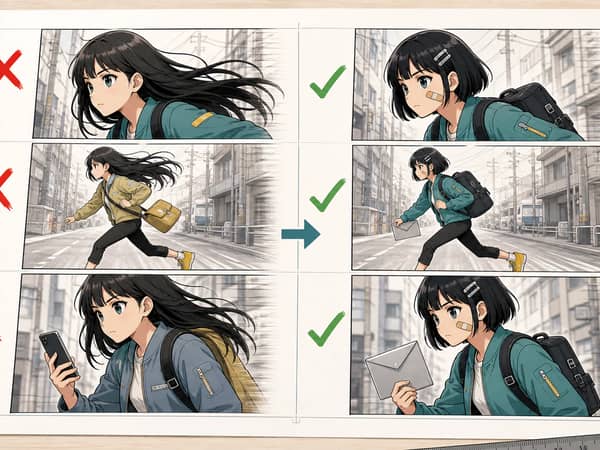
A narrow repair pass works best when it preserves the strong panels and only restores the broken identity anchors.
Use a targeted repair prompt:
Repair panels 4, 5, and 6 only.

Keep the approved layout, lighting, and story beats.

Character lock to restore:
- black chin-length bob haircut
- two small silver hair clips on the right side
- small bandage on left cheek
- teal courier jacket over cream hoodie
- compact backpack silhouette
- dark shorts over leggings
- yellow sneakers
- silver envelope must remain a sealed envelope

Do not change panel order. Do not add readable text. Do not redesign Nia.
The best repair prompt is narrow. It names what changed, what must return, and what should stay untouched.
Use repair when:
Regenerate only when the page fails at the layout, storytelling, or overall style level.
Use this before exporting:
| Check | Pass |
|---|---|
| Lock file exists | The character has visible anchors, not only personality notes. |
| Reference sheet approved | Full body, face, expressions, and key props are stable. |
| Prompt repeats anchors | Every generation prompt includes the identity-critical details. |
| Panel plan is separate | Story beats are approved before art generation. |
| Drift is scored | Face, hair, outfit, props, scale, and style are checked. |
| Repair is targeted | Weak panels are fixed without changing the whole page. |
| Text is clean | No fake readable text appears in the generated art. |
| Export is reviewed | The character reads correctly at mobile size. |
This same checklist also helps when hiring a human artist.
| Brief section | What to include |
|---|---|
| Story role | What the character wants in the scene. |
| Visual anchors | Face, hair, silhouette, outfit, props. |
| Emotion range | Expressions the character should show. |
| Panel usage | Which panels require close-ups, action, or silence. |
| Do-not-change list | Details that define identity. |
| References | Approved reference sheet and any style examples. |
Creators usually get better results when the brief separates story intent from visual identity.
Not perfectly in every case. Consistency improves when you use a stable character lock file, a reference sheet, and targeted repair prompts. Treat the first image as production input, not as magic.
Use both, but visual details matter more for panel continuity. "Brave and shy" helps performance. Hair, face, outfit, silhouette, and props help recognition.
Use 5 to 8 identity anchors. Too few causes drift. Too many can make prompts brittle. Face, hair, outfit, silhouette, and one signature prop are usually enough to start.
Start with LlamaGen.AI consistent characters, approve the character reference, then move into LlamaGen.AI comic generation when the cast is stable.
For a beginner comic creator, a practical consistency workflow is:
premise -> character lock file -> reference sheet -> six-panel plan -> generated page -> consistency score -> targeted repair -> export
That is slower than typing one prompt. It is also how you reduce the chance that your main character becomes a different person halfway through the page.
Popular creator tools
Go from comics and storyboards to stylized photos with LlamaGen.
Visualize every scene before production starts.
© 2026 LlamaGen.Ai All rights reserved
Leading the Future of AI Comic Generation