95%
Full fine-tuning से कम parameters
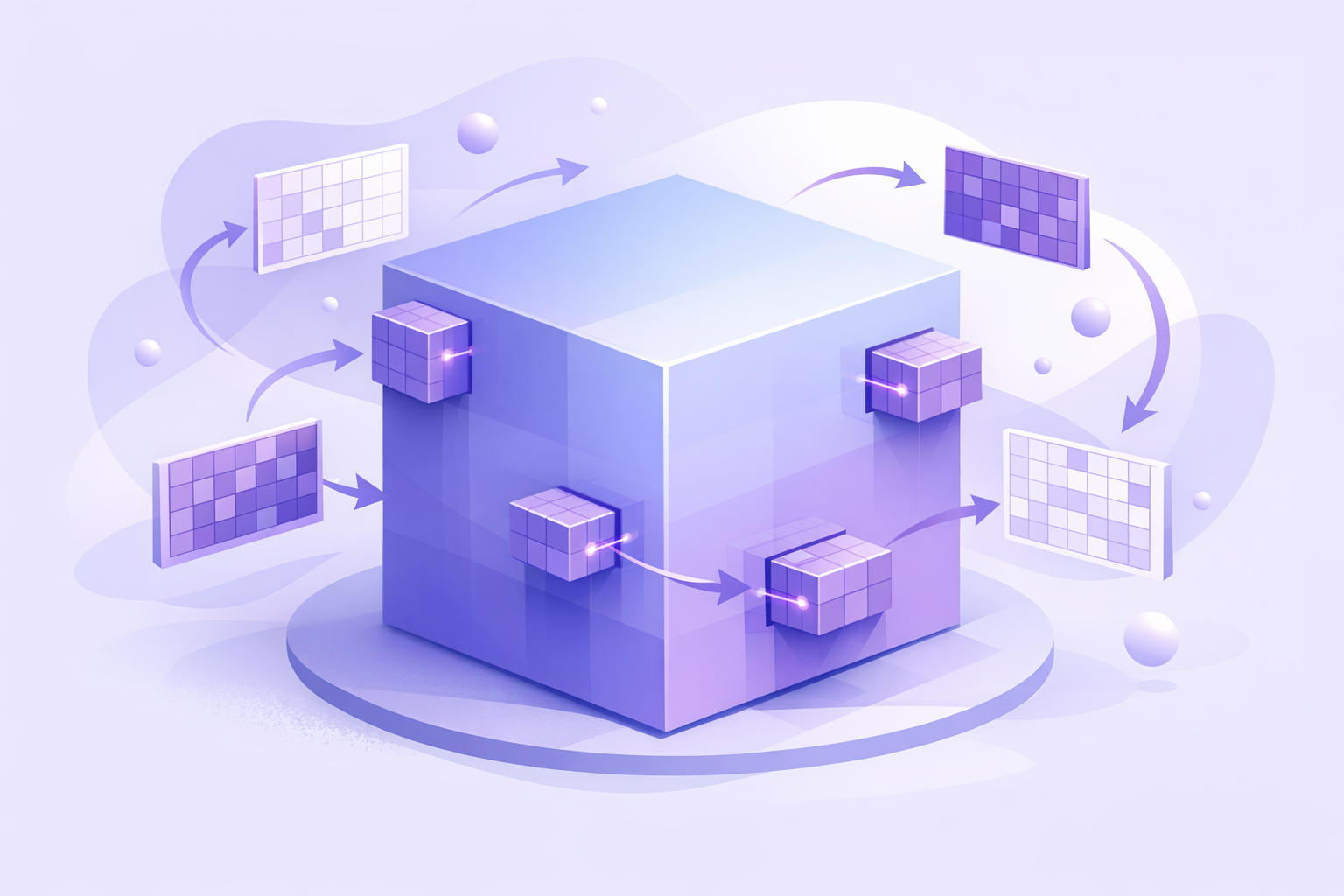
LoRA पूरे model को फिर से लिखने की बजाय हल्के adapter layers जोड़ता है।


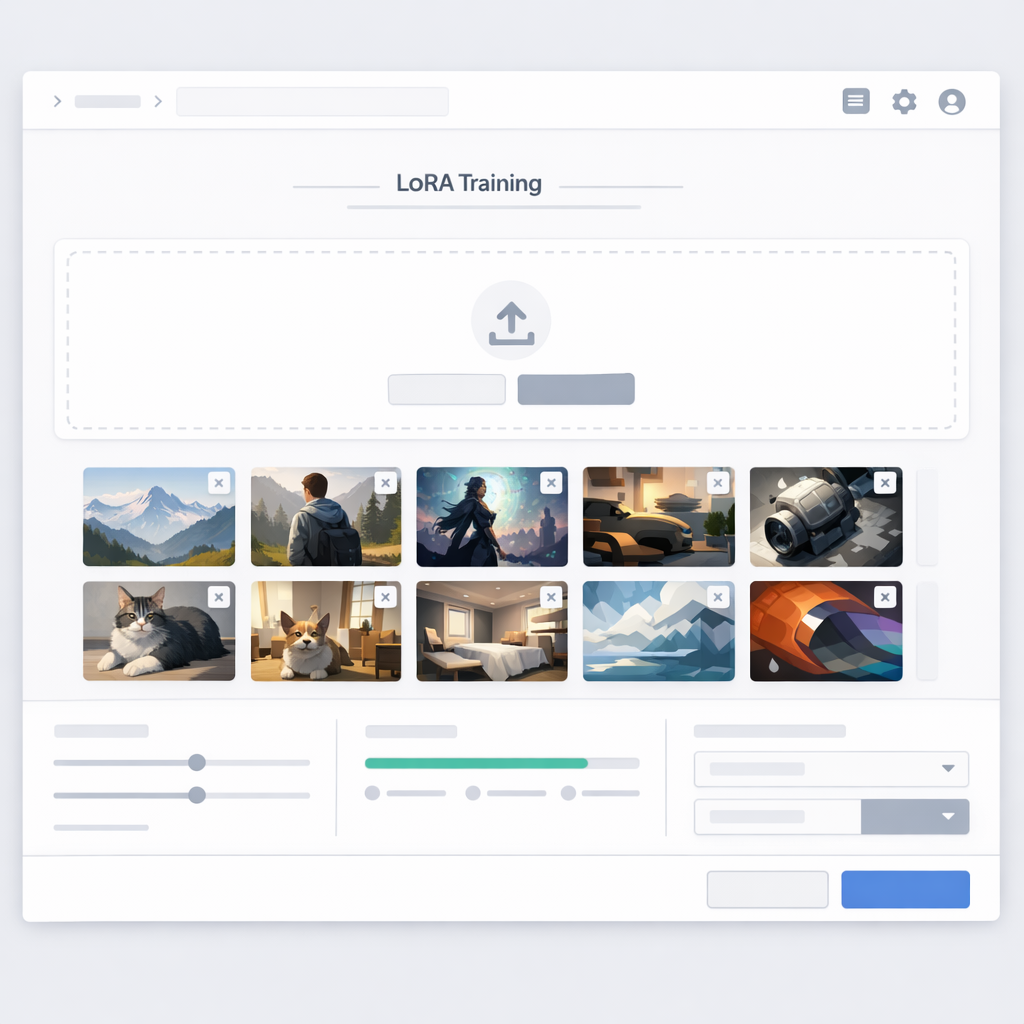
LoRA ट्रेनिंग टूल
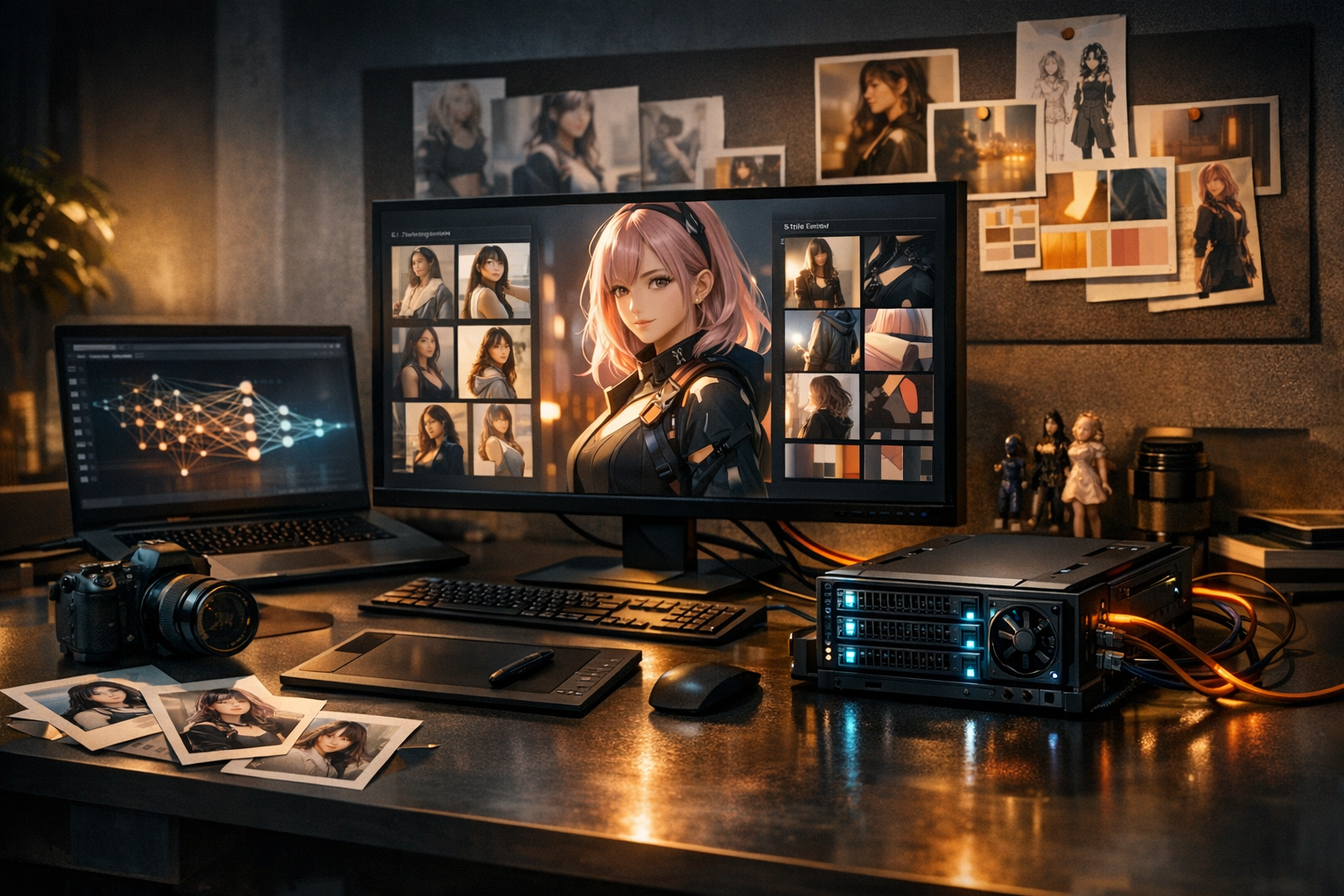
छोटे reference set को reusable character LoRA में बदलें। Unlimited variations बनाएं--नए poses, outfits, scenes--और face व personality वही रखें।
10–30 images → 15–30 minutes → production-ready consistency.
Paste your story, then choose the page count and layout.
Training plan
95%
LoRA पूरे model को फिर से लिखने की बजाय हल्के adapter layers जोड़ता है।
1-10min
इतना तेज़ कि आप iterate कर सकें, और production workflows के लिए पर्याप्त stable।
1-10MB
छोटे, portable models जिन्हें आप reuse और stack कर सकते हैं।
10-30
बिना सलीके वाले बड़े folder से बेहतर curated dataset होता है।
Built for the work
LoRA Training: custom character models for consistency जो production में सच में काम करें।
दिनों में नहीं, मिनटों में train करें। Research lab की तरह नहीं, creator की तरह iterate करें।
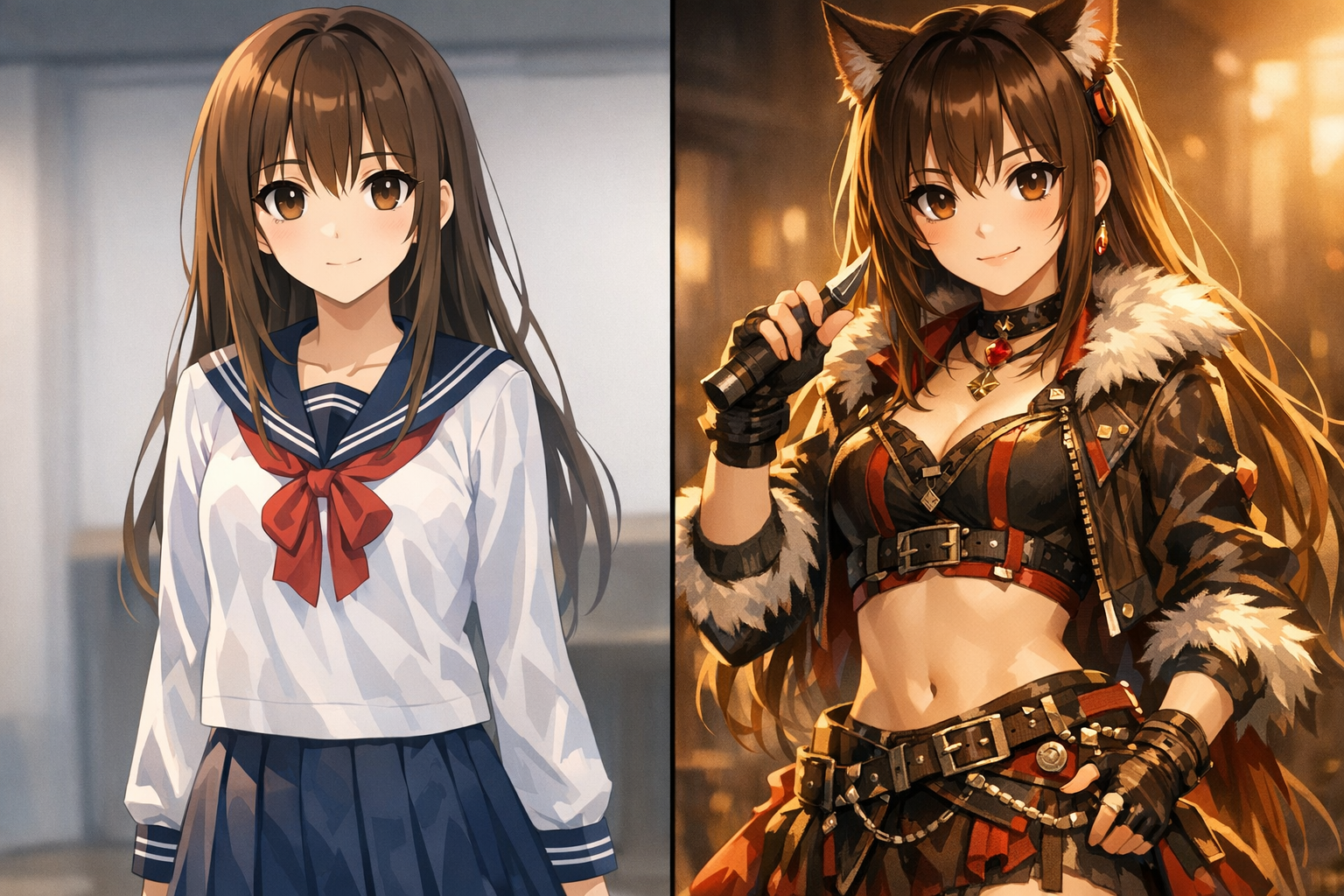
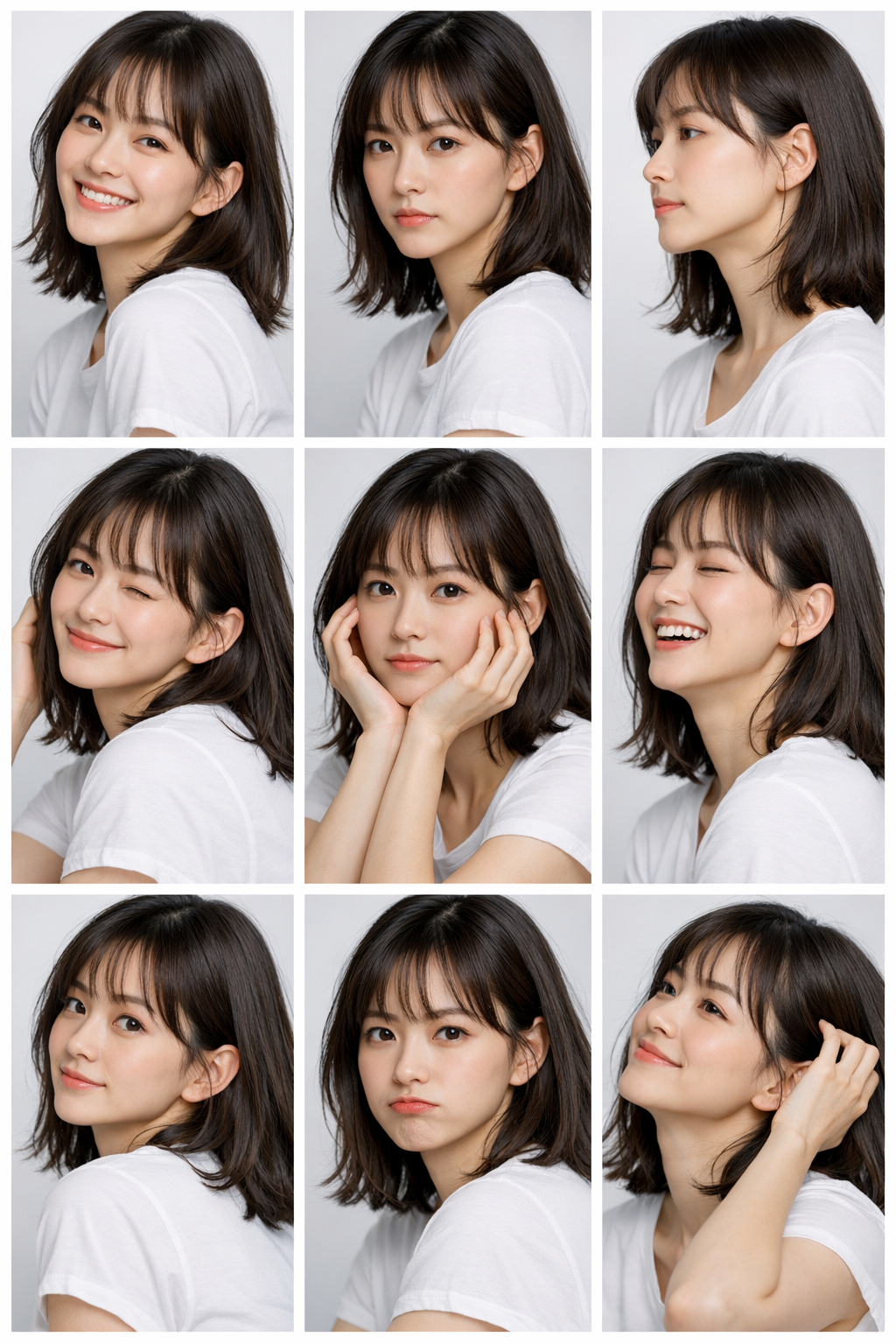
हर generation में वही eyes, nose, mouth और proportions—कोई identity drift नहीं।
सिर्फ 10–30 carefully selected reference images से शानदार results।
2–10MB adapters को store, share और projects में reuse करना आसान है।
Scenes बदलते हुए भी आपकी artistic signature—line quality, palette, composition—बनी रहती है।
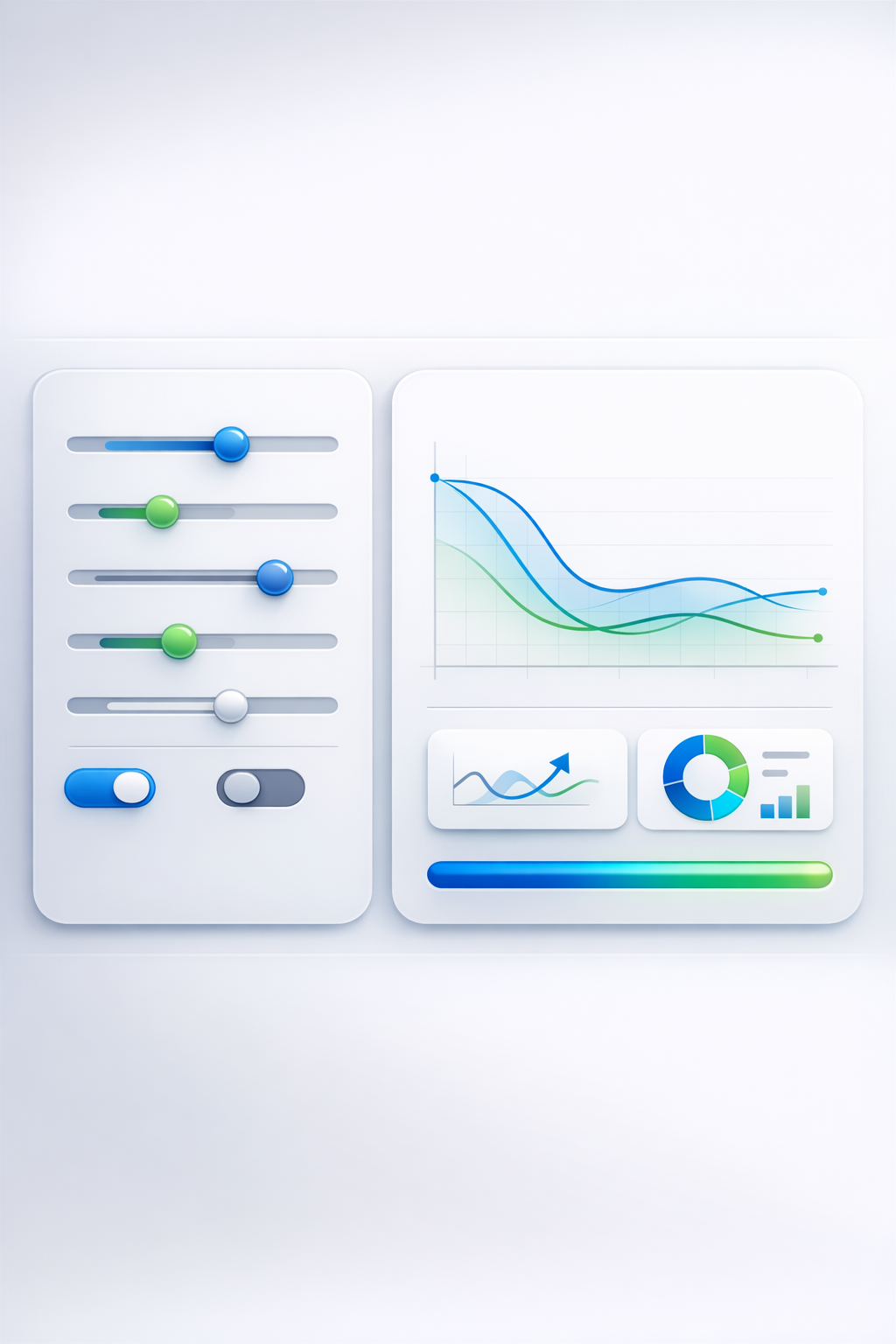
Strict identity lock से लेकर softer stylistic guidance तक, काम के हिसाब से tune करें।
ज़्यादा control के लिए character LoRAs को style LoRAs के साथ combine करें।
manga, games, storyboards, marketing, और series pipelines के लिए assets generate करें।
Foundation
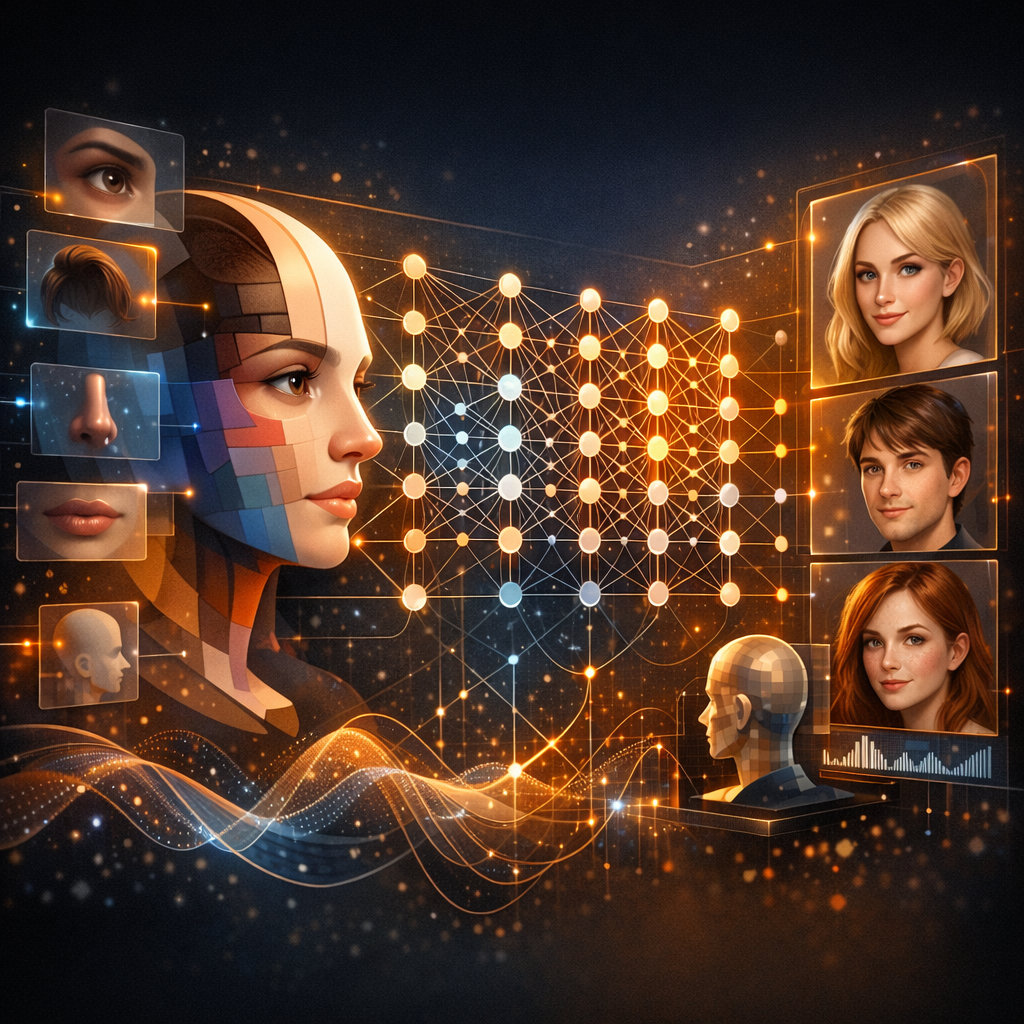
LoRA (Low-Rank Adaptation) एक parameter-efficient fine-tuning technique है, जो existing model को लाखों core weights बदले बिना नई, specific जानकारी सिखाती है। इसके बजाय यह छोटे adapter layers जोड़ती है—जिससे compute बहुत कम लगता है और high fidelity मिलती है। इसे ऐसे समझें जैसे AI artist को आपके character का DNA पहचानना और consistently recreate करना सिखाना: face proportions, expressions, accessories, और style cues। सिर्फ 10–30 curated images से आप manga panels, game assets, storyboards, और brand characters के लिए unlimited consistent generations पा सकते हैं।
Continuity
Visual storytelling में consistency ही trust की नींव है। जब किसी character का चेहरा scenes के बीच बदलने लगे—hair length, eye shape, proportions—तो दर्शक जुड़ाव खो देते हैं। Standard text-to-image non-deterministic होता है: एक ही prompt हर बार अलग identity दे सकता है। LoRA training identity को reusable model में encode करके इस समस्या को हल करता है, ताकि आपका character अलग-अलग variations में भी पहचानने योग्य रहे।
हर generation में वही eyes, nose, mouth और proportions।
Scenes और compositions में अपनी art direction बनाए रखें।
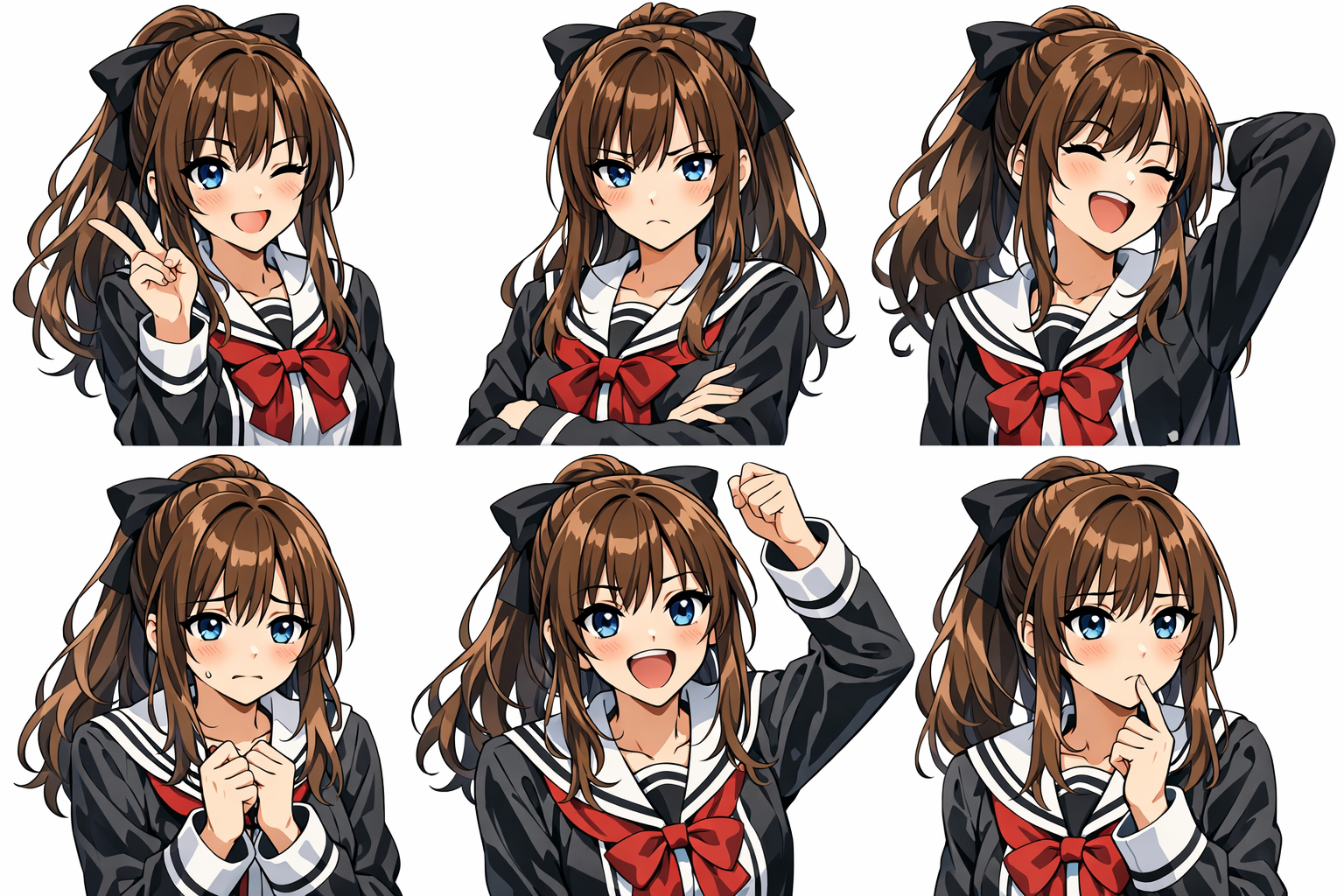
Identity खोए बिना नए emotions।
वही character रखते हुए unlimited angles और framing।
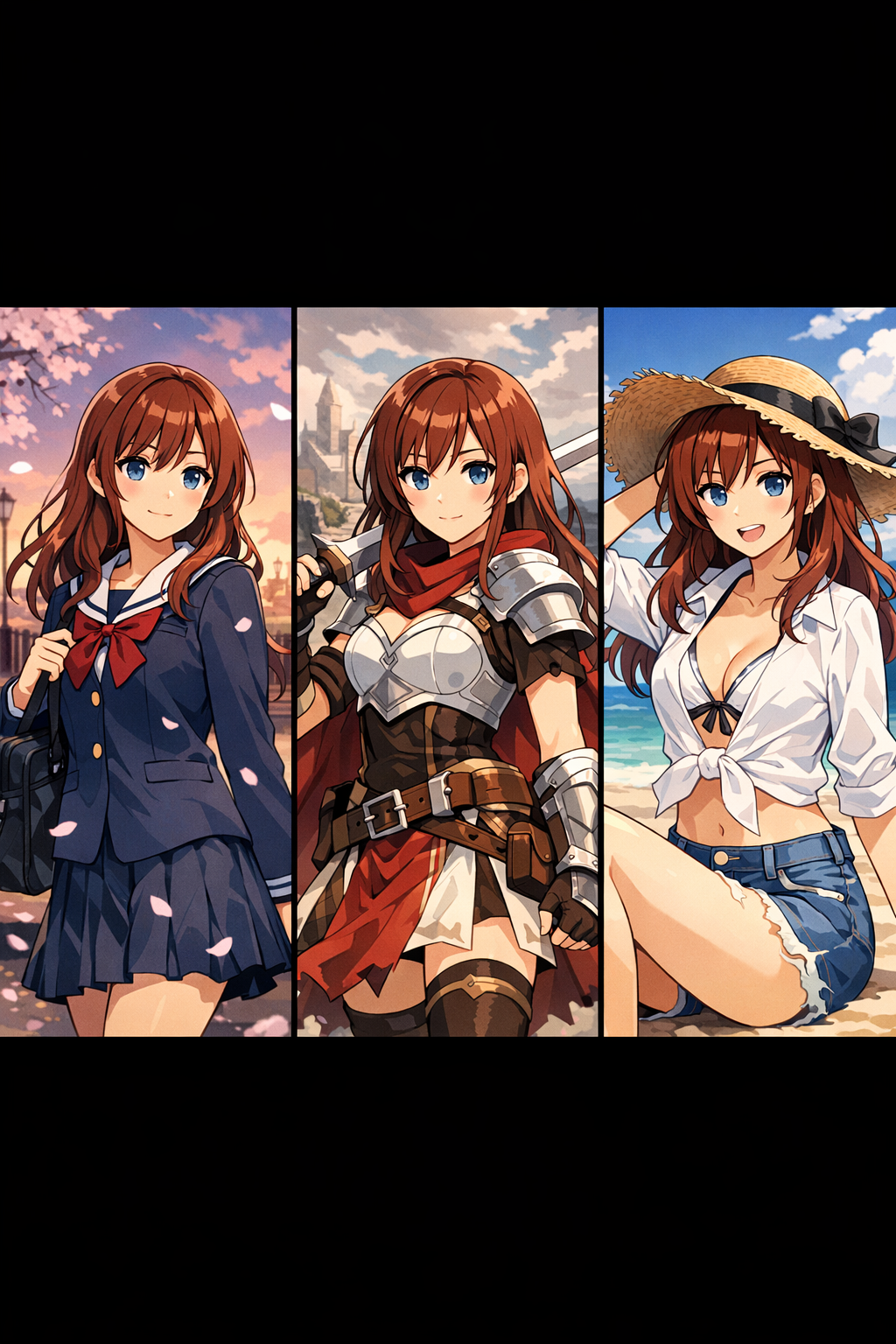
Face drift के बिना कपड़े, props और details बदलें।
अलग lighting, backgrounds और moods में भी पहचान बनी रहती है।
How the method works
Full fine-tuning model के core weights को फिर से लिखता है—महंगा, brittle, और overfit होने की संभावना ज़्यादा। LoRA base model को intact रखता है और lightweight adapters के ज़रिए low-rank update सीखता है। आपको targeted learning (identity, style, concept) कम parameters, छोटे files, और तेज़ training के साथ मिलती है—creator iteration loops के लिए बिल्कुल सही।
01 / Proof in the output
Model को सिखाएं कि आपका character कौन है। Curated reference set face और key design cues को lock करता है, ताकि हर नई generation वही व्यक्ति लगे।
02 / Proof in the output
Train, test, adjust, repeat. Identity strength, style adherence, और flexibility को तब तक tune करें जब तक results आपकी production needs से match न करें—manga pages, games, marketing, और series work के लिए।
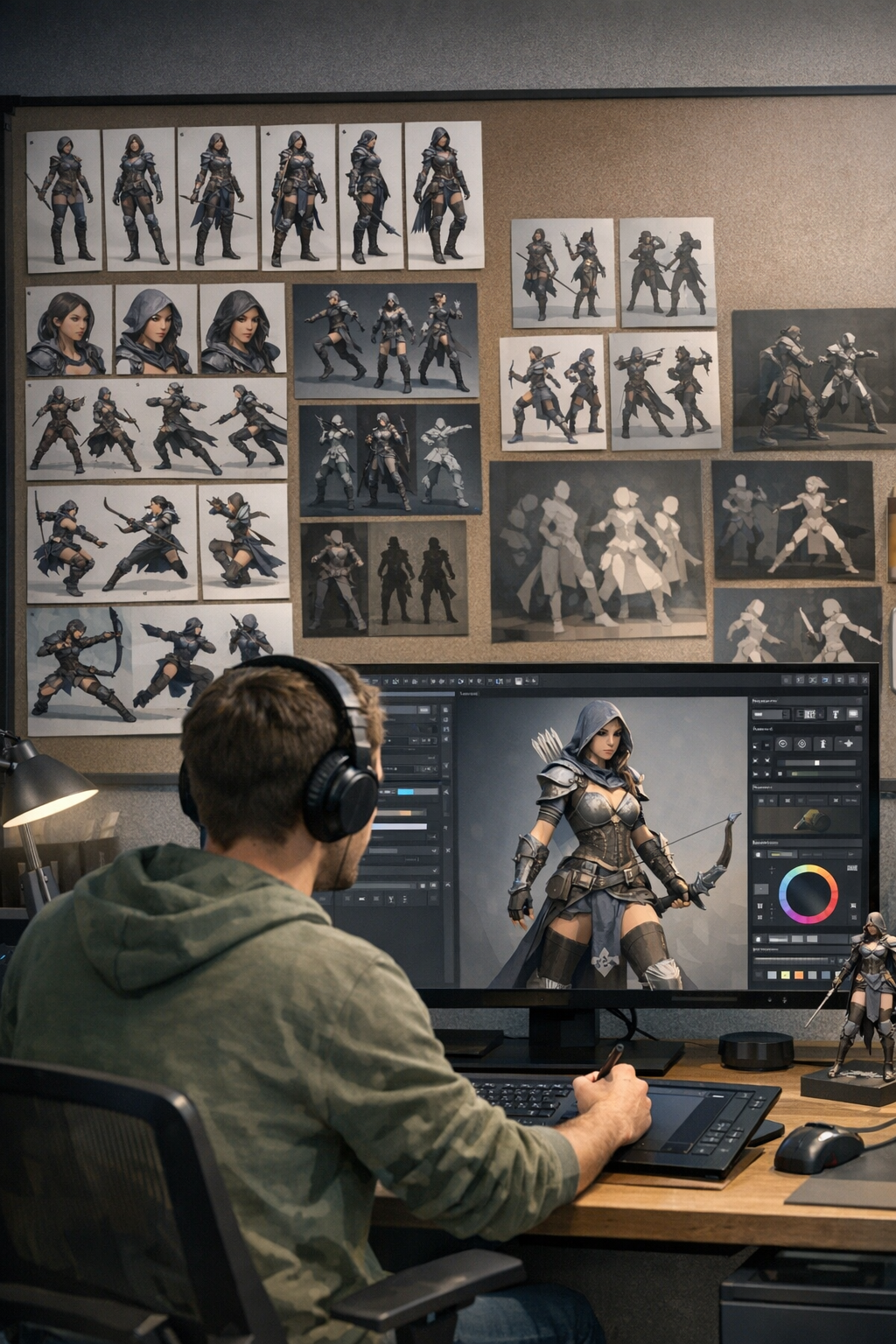
Detailed process
कुछ ही मिनटों में शुरू करें। ML background की ज़रूरत नहीं।
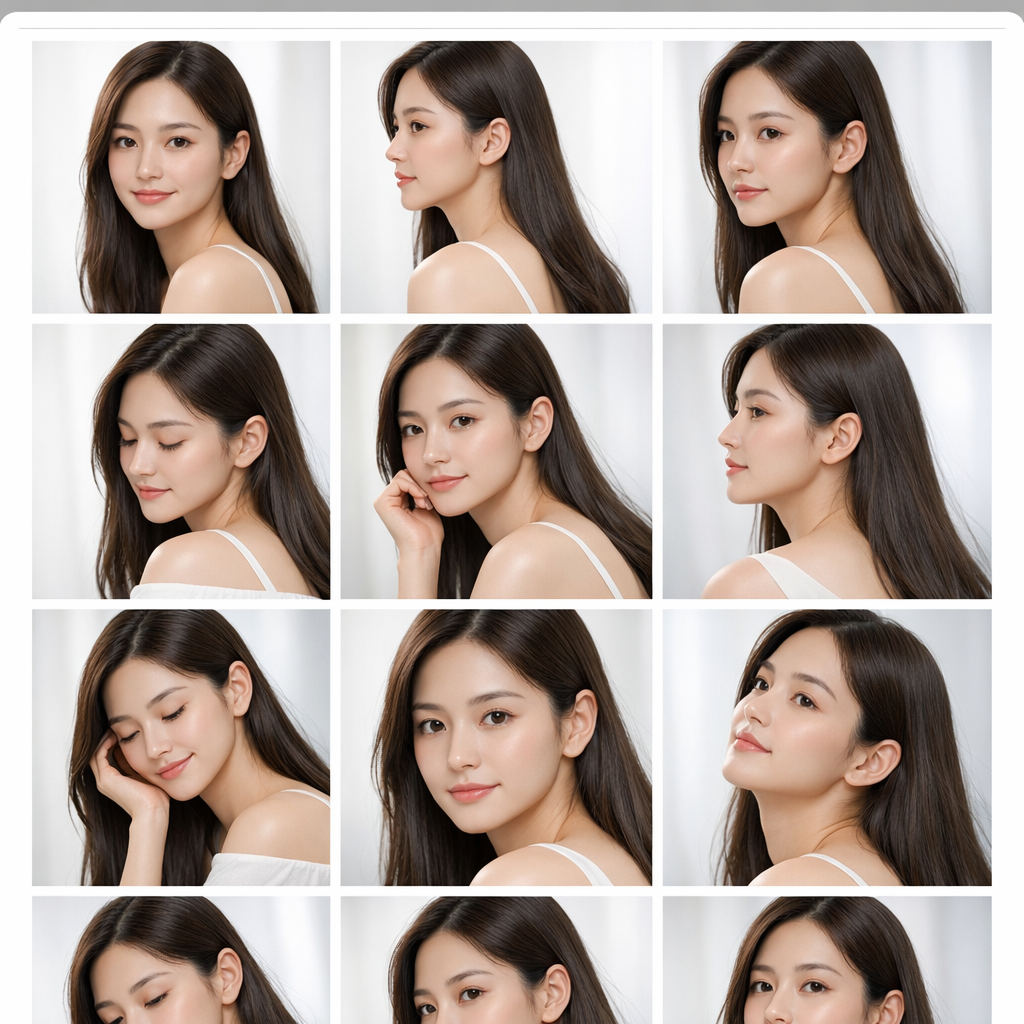
Step 01
10–30 high-quality images इकट्ठा करें। pose, angle और expression में variety रखें, लेकिन identity consistent रहे। साफ़ crop करें; heavy filters और mixed subjects से बचें।

Step 02
एक base model (anime/realistic/art) चुनें, फिर epochs और learning rate तय करें। हमारे defaults ज़्यादातर cases में काम करते हैं; extra precision चाहिए तो advanced controls मदद करते हैं।
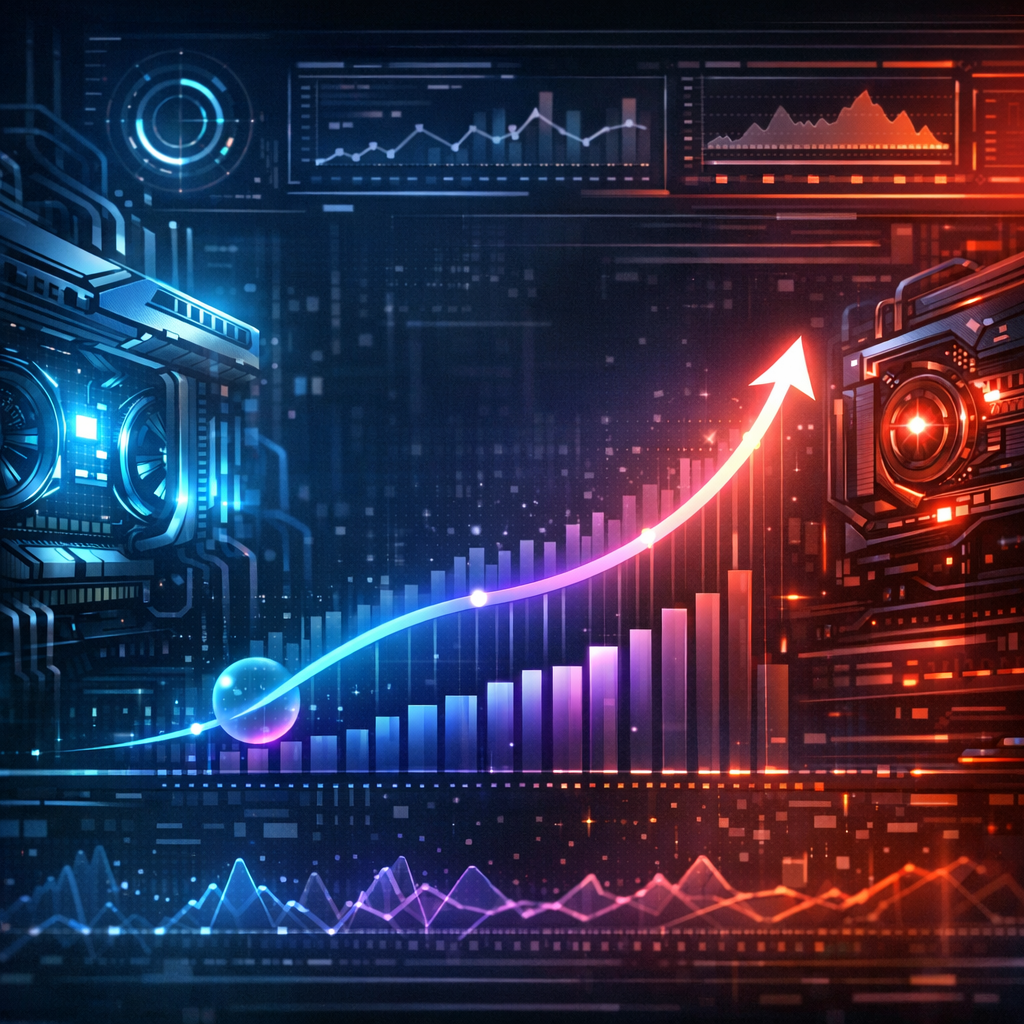
Step 03
Training शुरू करें और progress monitor करें। ज़्यादातर runs 15–30 minutes में पूरे हो जाते हैं, dataset और complexity पर निर्भर करता है।
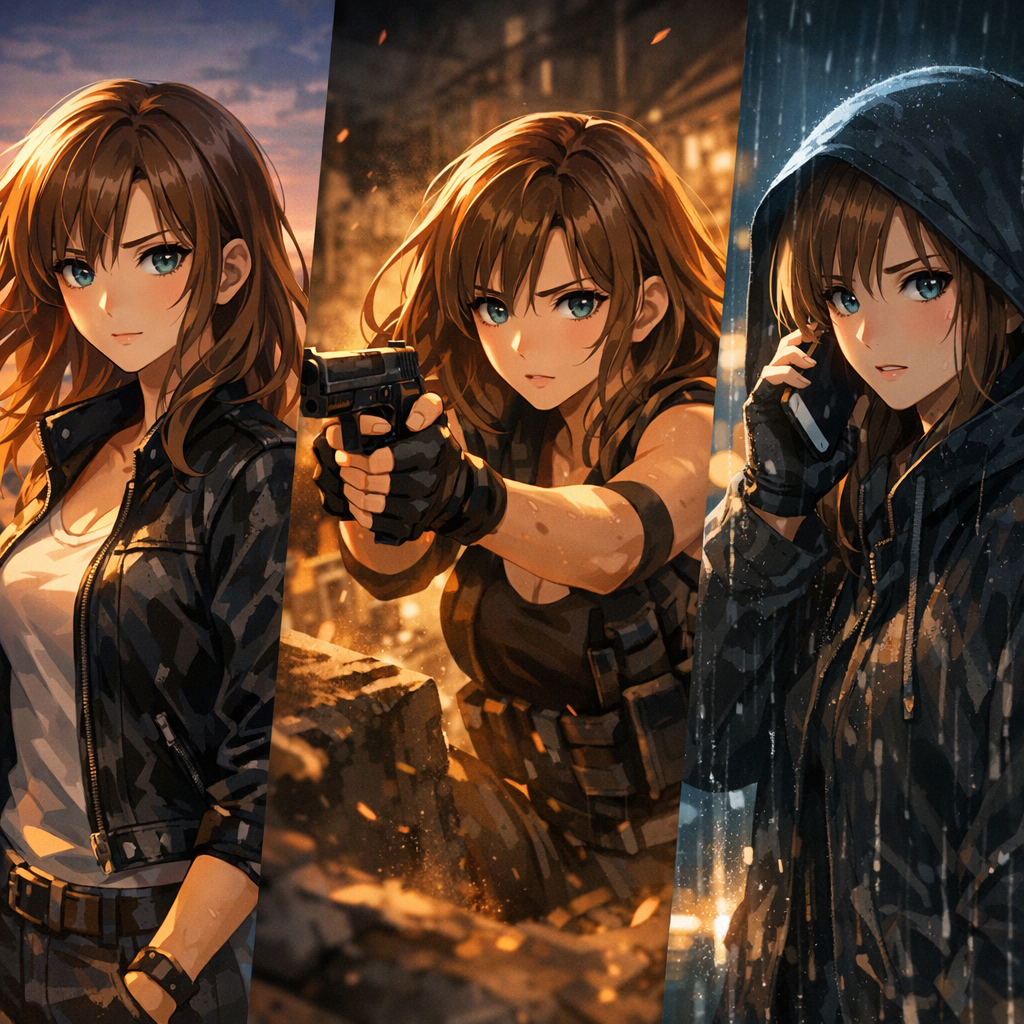
Step 04
अपने trained LoRA का इस्तेमाल करके consistent variations बनाएं: outfits, poses, scenes, lighting, और expressions—identity drift के बिना।
Where it fits
Creators LoRA training का इस्तेमाल output बढ़ाने के लिए कैसे करते हैं, बिना identity खोए।
manga series, webtoons, और graphic novels के लिए सैकड़ों panels में consistent characters बनाएं—chapter one से finale तक।
Protagonists, NPCs, और skins के लिए sprites, portraits, key art, और emotional state variations बनाएं।
पूरी कहानी में continuity बनाए रखते हुए expression और outfit sets तैयार करें।
Animation और game teams के लिए angles, expressions, और outfit packs वाली design sheets बनाएं।
एक consistent mascot model के साथ marketing, social, merch, और ads में brand identity बनाए रखें।
Final production से पहले storyboards, concept scenes, और character studies बनाएं।
Consistent character-based posts और campaigns बनाकर audience recognition बढ़ाएं।
Consistent representation के साथ collectibles और product lines के लिए print-ready character art बनाएं।
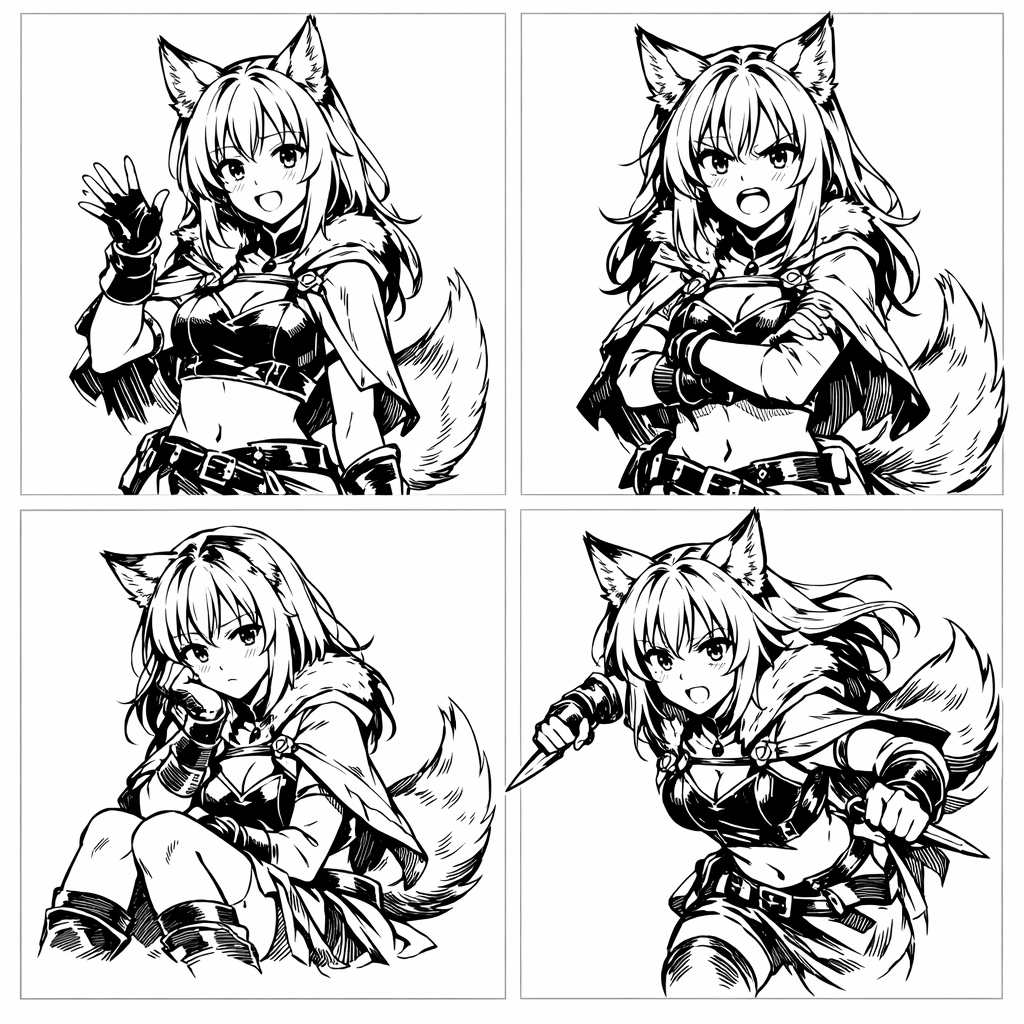
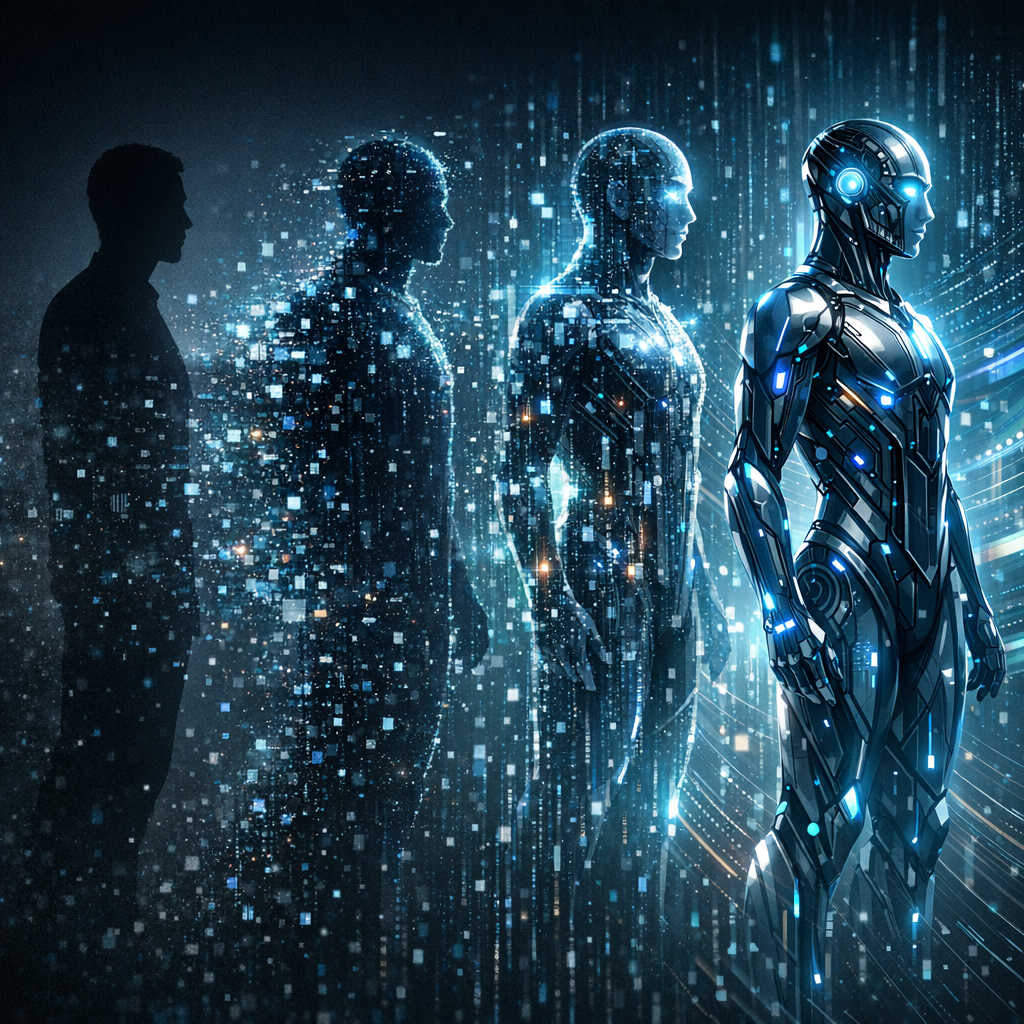
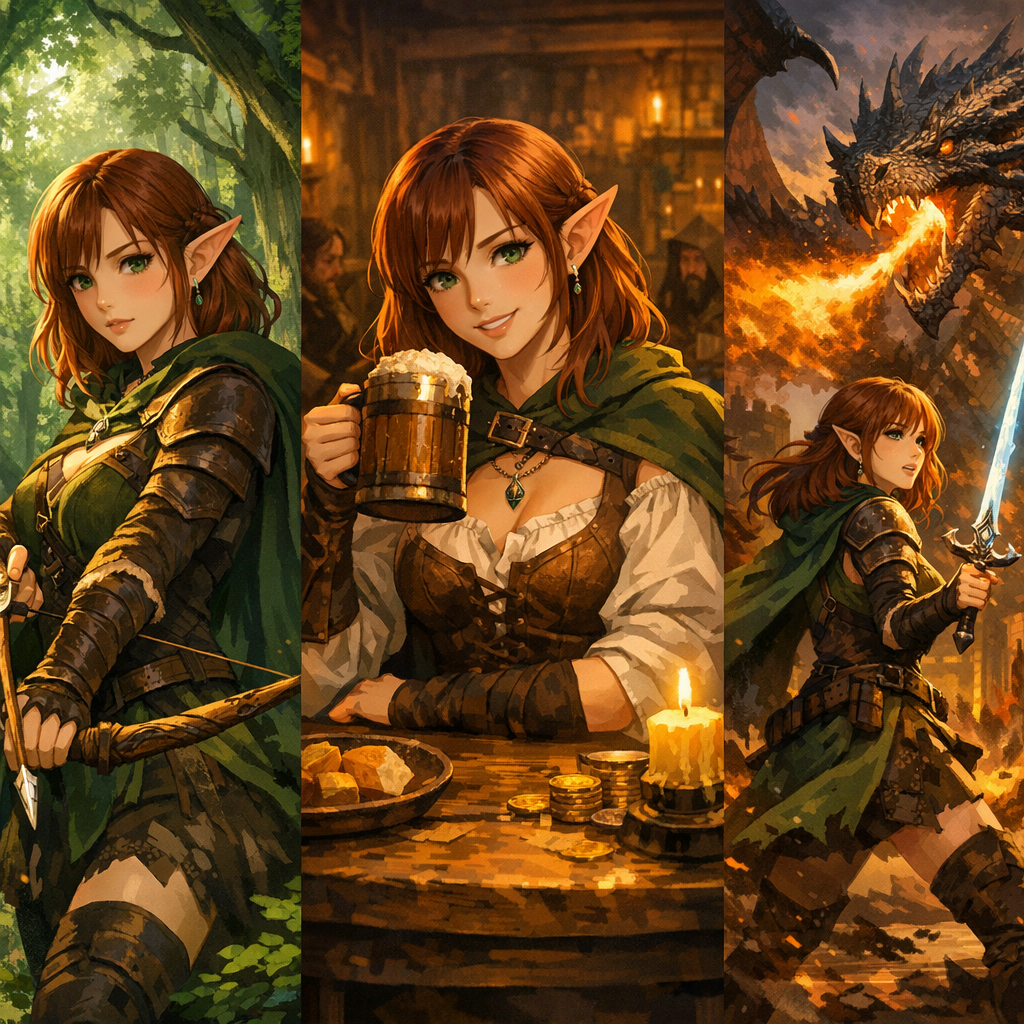
Output gallery
LoRA training + Character Studio से आप क्या बना सकते हैं, उसके उदाहरण।

Workflow
Consistent character generation के लिए practical workflow।
ऐसी images इकट्ठा करें जो angles, expressions, और lighting में same identity दिखाती हों। साफ़ inputs = बेहतर consistency।
Identity/style signal सीखने के लिए lightweight training job चलाएं, बिना overfitting के।
Trained LoRA को Character Studio में इस्तेमाल करके नए scenes, outfits, और poses बनाएं, जबकि face stable रहे।
Where it earns its place
Consistency ही खूबसूरत images को usable story pipeline में बदलती है।
Backgrounds, camera angles, या outfits बदलते हुए भी same character face बनाए रखें।
Identity capture होने के बाद, character match करने के लिए बार-बार generations re-roll करने में कम समय लगता है।
Comics, manga, webtoons, thumbnails, और multi-image storytelling workflows के लिए उपयोगी।
Train, test, adjust — one-off demos की बजाय repeatable production output पर ध्यान दें।
Trained LoRA को एक reusable character asset की तरह नए projects में लाएं।
सीधे /new/characters पर जाएं और generate, refine, तथा अपनी roster को आगे बढ़ाएं।
FAQ
आम तौर पर 10–30 curated images। Variety मदद करती है (angles, expressions, lighting), लेकिन identity consistent रहनी चाहिए। साफ़ data, ज़्यादा data से बेहतर है।
Clear subject, consistent identity, varied viewpoints, अच्छी lighting, और tight crops। Mixed subjects, extreme filters, heavy occlusion, या एक ही set में बहुत अलग styles से बचें।
हाँ—अच्छी तरह train करने पर LoRA facial identity को preserve करने में मदद करता है, जबकि आप prompts, outfits, environments, और lighting बदलते हैं।
ज़्यादातर runs dataset size और complexity के हिसाब से 15–30 minutes में पूरे हो जाते हैं।
Full fine-tuning model के weights का बड़ा हिस्सा अपडेट करता है (compute ज़्यादा, overfitting का risk भी ज़्यादा)। LoRA हल्के adapter layers सीखता है (तेज़, छोटा, और reuse करना आसान)।
अक्सर हाँ। Character LoRA को style LoRA के साथ stack करने से ज़्यादा control मिल सकता है—identity stable रखें और art direction बदलें।
LlamaGen के साथ आप जो बनाते हैं, उस पर आपका अधिकार है। कृपया सुनिश्चित करें कि आपका dataset और prompts third‑party rights और IP का सम्मान करें।
Character Studio को /new/characters पर खोलें और trained character identity का इस्तेमाल करके नए images बनाएं।
एक बार train करें, फिर हमेशा के लिए generate करें—हर scene में consistent faces।