Name the role
Start with a working name, archetype, visual age, and the character's job in the story.


Capture palette, silhouette, face, hair, wardrobe, props, personality, and never-change anchors in one production-ready source of truth.
Define the role
Lock visual anchors
Copy the design brief
Get a concrete report before spending credits on regeneration.
Interactive workspace
Fill only the fields you need. The formatted brief is generated locally and is ready for artists or image prompts.
Start with a working name, archetype, visual age, and the character's job in the story.
Define palette, silhouette, face, hair, wardrobe, motifs, and recurring props.
Add body-language cues, story context, and the details that must never change between panels.
Production value
Each result is designed to continue into Storyboard, Comic Studio, or a focused image repair workflow.
Turn scattered character notes into one readable block for collaborators, prompts, and reference sheets.
Separate palette, silhouette, face, hair, costume, and props so drift is easier to diagnose.
A dedicated never-change field records the few traits that make the character recognizable.
No. This version formats the fields in your browser. Copy the result into your own project documentation when it is ready.
A brief records design and story intent for people and tools. An image prompt emphasizes what one render should show. The brief should remain the more stable source.
Choose a small set of identity-critical details such as a hair streak, silhouette, signature prop, scar, color accent, or costume construction.
Yes. Use the brief to generate or commission turnaround views, expressions, poses, and costume variants without losing the core design.
Pagsusuri sa pagkakakilanlan ng character
Ihambing ang realistic portrait at semi-realistic illustration laban sa iisang reference. Panatilihing magkatulad ang framing at ilaw, tapos suriin ang mukha, buhok, at damit nang hiwalay sa rendering style.
Gamitin ang reference bilang comparison point mo. Puwedeng style choice ang mas malambot na shading; ang ibang panga, haba ng buhok, o jacket ay character change na dapat suriin bago mo muling gamitin ang image.
Ang orihinal na character concept na ito ay hiwalay na ginenerate gamit ang Vertex para ipakita ang review. Hindi ito customer photos, LlamaGen test outputs, o ebidensya ng verified repair.
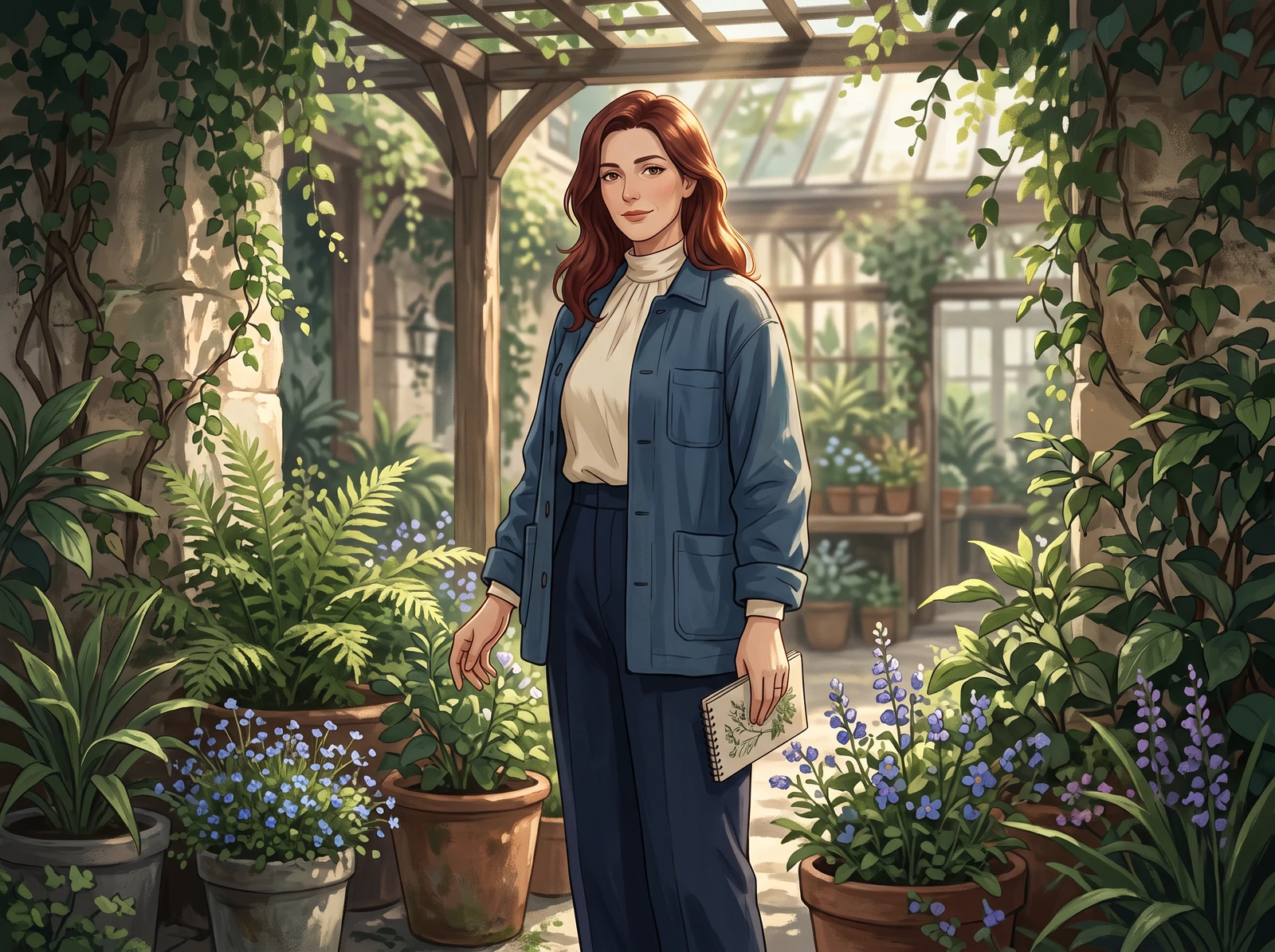
Ang orihinal na concept ang nagbibigay ng nakapirming character, outfit, at setting para sa paghahambing.
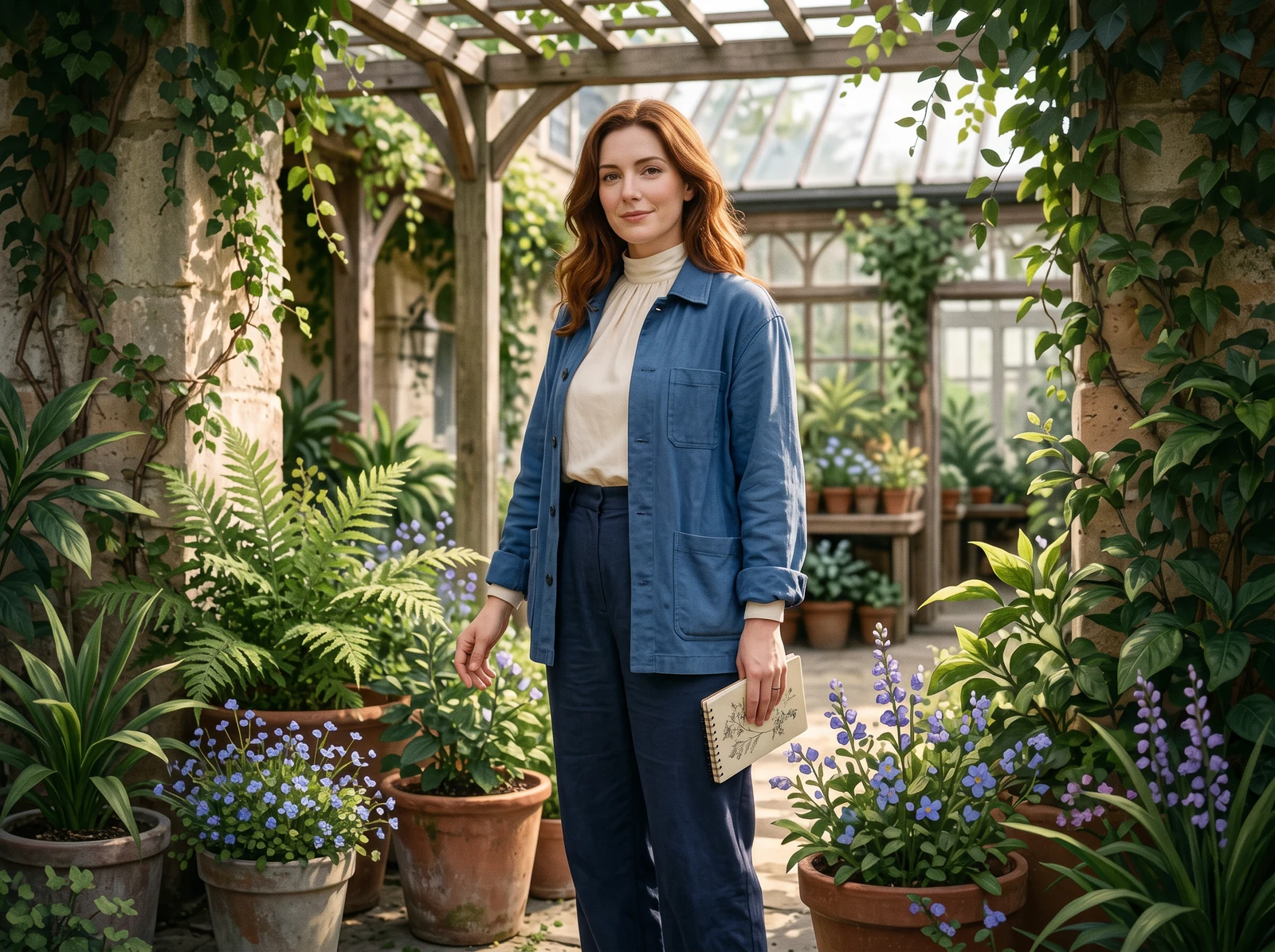
Suriin ang proporsyon ng mukha at hugis ng buhok, hindi lang ang realistic texture bilang patunay ng pagkakakilanlan.
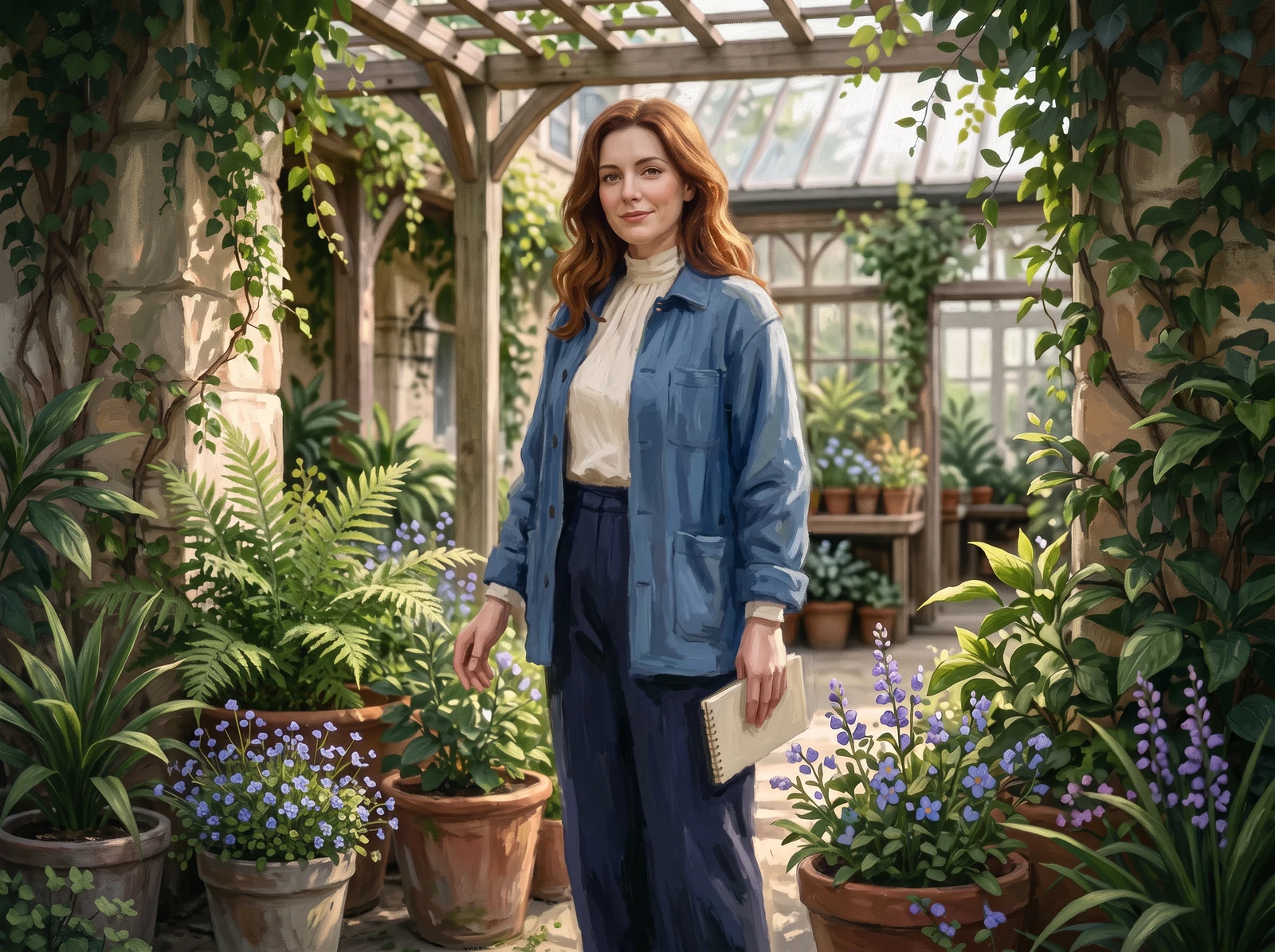
Maaaring magbago ang painted surfaces; ihambing ang parehong mukha, haba ng buhok, at mga palatandaan ng damit.
Sumulat ng ilang nakikitang identity anchor sa halip na humiling ng perpektong consistency. Gamitin ang mga feature na talagang makikita mo sa reference; huwag hulaan ang nakatagong detalye mula sa iisang view.
Ayusin ang isang hindi tugma
Ang mas mahabang hairstyle ay isang partikular na hindi tugma na puwede mong ilarawan. Itabi ang orihinal na reference at ang napiling result side by side at baguhin ang isang isyu sa isang beses lang, para makita mo kung nakatulong ang revision.
Halimbawang issue na dapat i-flag
Ang buhok sa reference ay bahagyang lampas balikat. Ang mas mahabang hairstyle ay nagbabago sa panlabas na silhouette, kahit maganda ang mukha at painted finish.
Itabi nang magkasama ang orihinal at ang candidate. Kung ang nalilihis na resulta lang ang gagamitin muli, maaari nitong madala ang hindi tugma sa mga susunod na scene.
Kung may local edit o mask, limitahan ang edit sa buhok at sa gilid nito. Kung wala, humiling ng bagong candidate at ihambing muli ang buong image.
Suriin ang buhok laban sa original, tapos inspeksyunin ang mukha, kwelyo, at background kung may hindi sinasadyang pagbabago. Ang nakatutok na instruction ay hindi garantiya ng nakatutok na resulta.
Gamitin ang orihinal na reference para sa auburn na buhok ng character na bahagyang lampas balikat. Ibalik ang haba at silhouette na iyon. Panatilihing hindi nagbabago ang facial proportions, asul na chore jacket, cream high-neck top, framing, ilaw, at rendering style ng napiling image. Huwag magdagdag ng accessories.
Tingnan ang fictional character bilang notebook cover, handheld folio, iba’t ibang print layout, at isang pinagsamang print-and-screen collection.
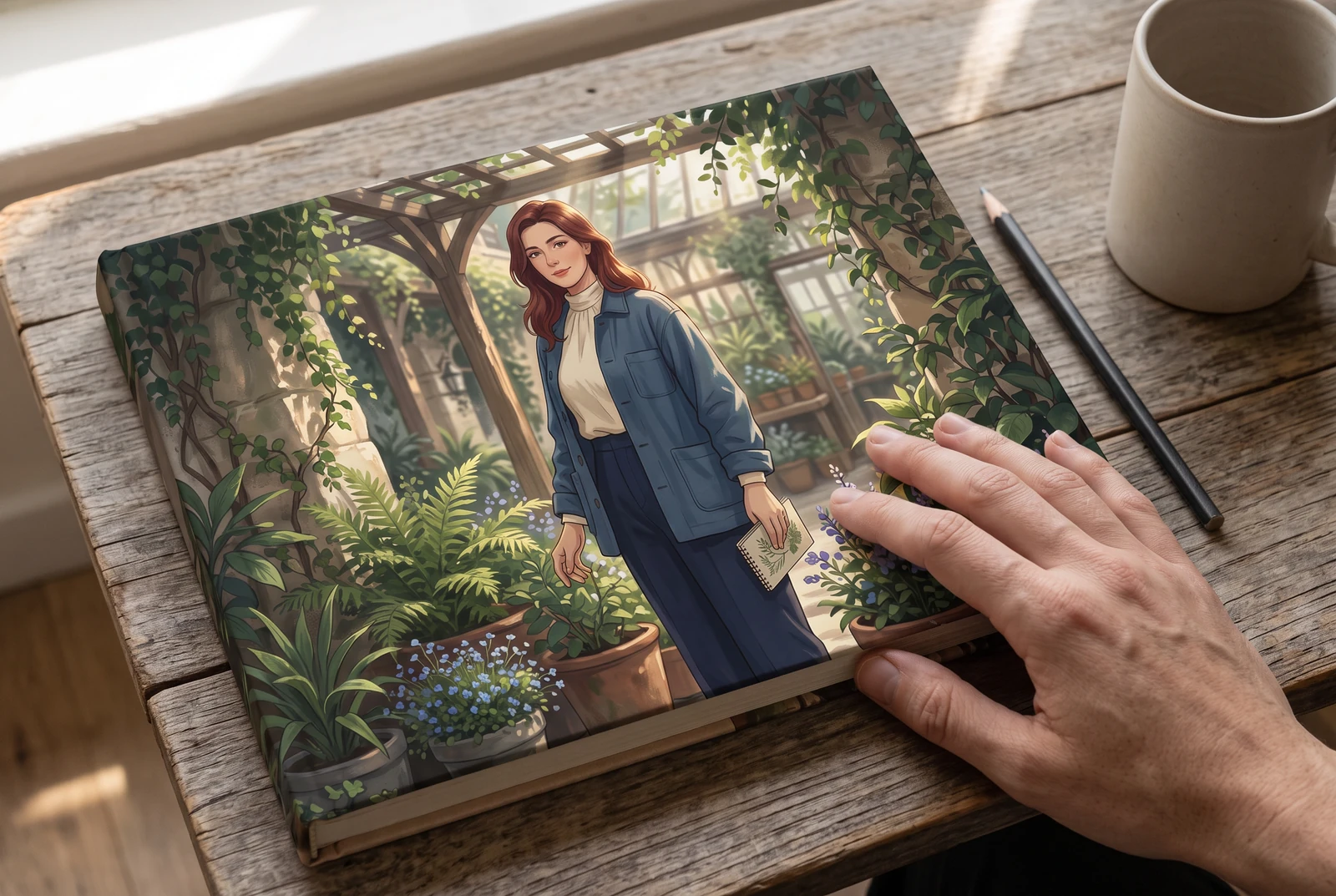
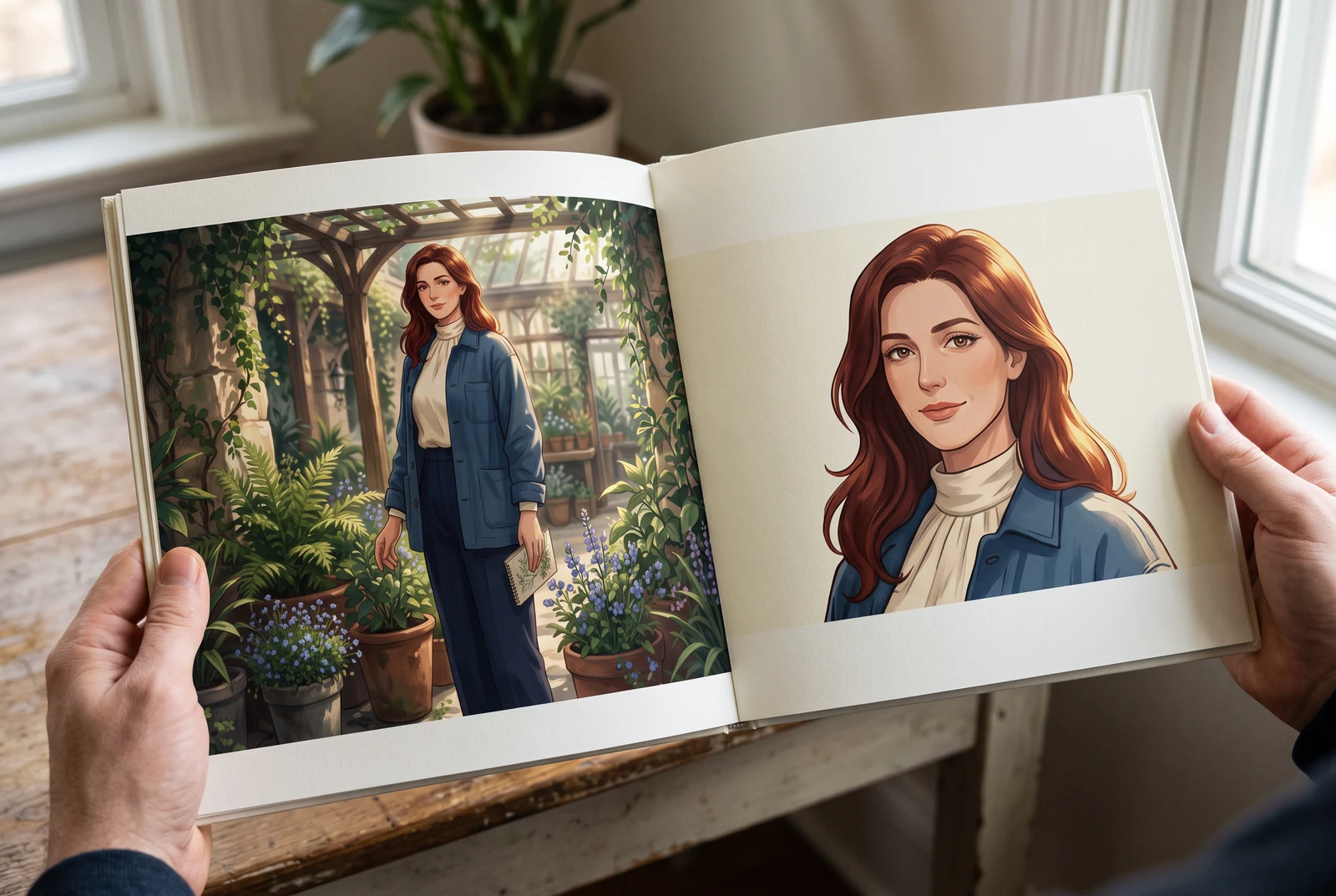
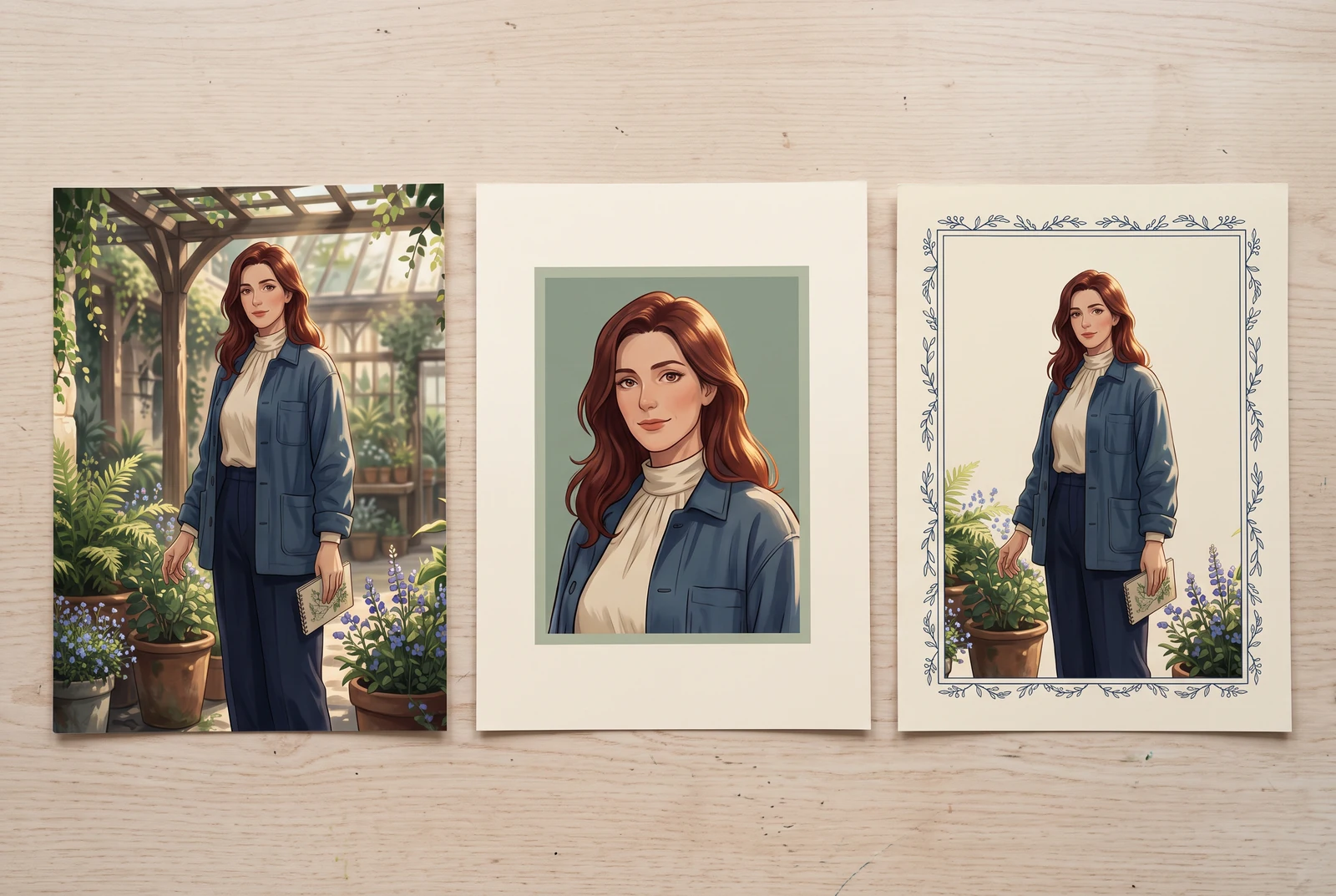
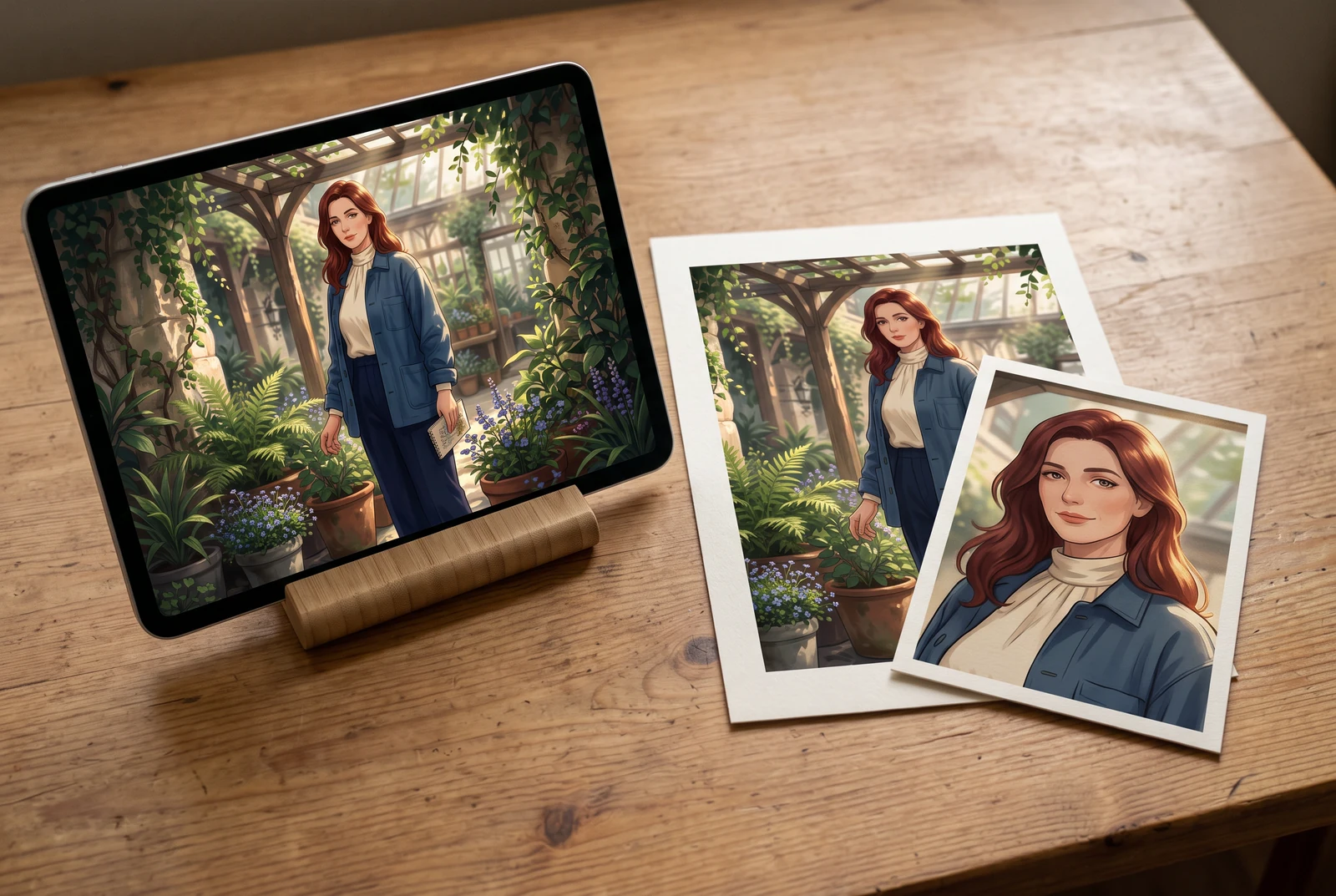
AI-generated lifestyle concepts, ginawa gamit ang Vertex Nano Banana 2.1. Ipinapakita ng mga scene na ito ang posibleng downstream display ideas, hindi customer photos, product screenshots, o printing at fulfillment service.
Move from a single generated image or video into comics, manga, storyboards, and connected visual stories.