

Simple shapes · Real printable sheets
Easy coloring pages with room to make them yours
An easy coloring page starts with a readable picture: one clear subject, spaces that suit your chosen tool, and enough white paper to decide where the color goes. Start with a flower, fox or friendly dinosaur, then choose how much of the page you want to finish.
Browse free printable sheets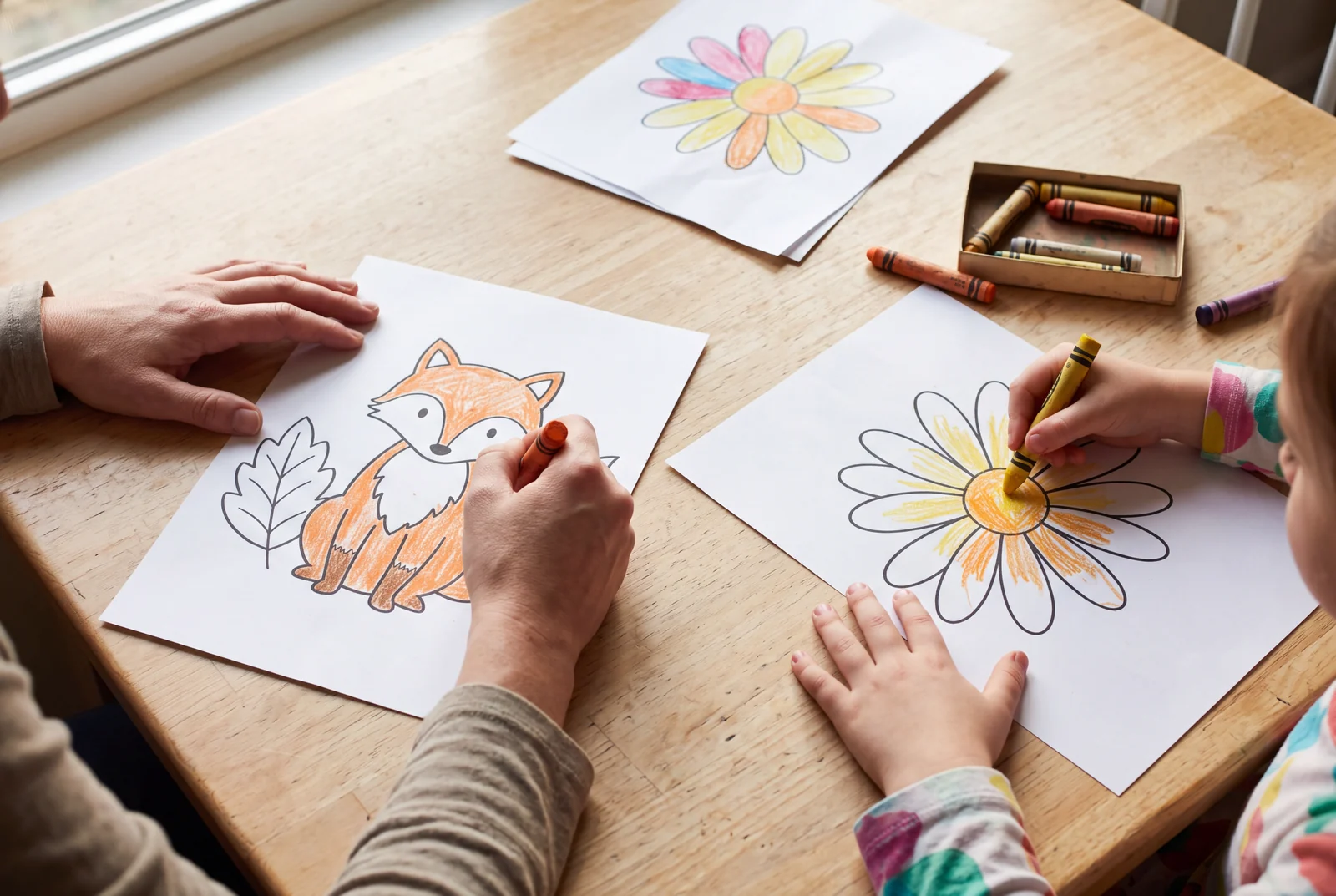
A useful place to start
Look for broad open areas, a clear silhouette and a background you can leave white. Open the complete preview before downloading. The three sheets below already have PDF and PNG files; using them does not require AI generation.
Start with a real printable
These existing sheets have matching full-page previews and prepared downloads.
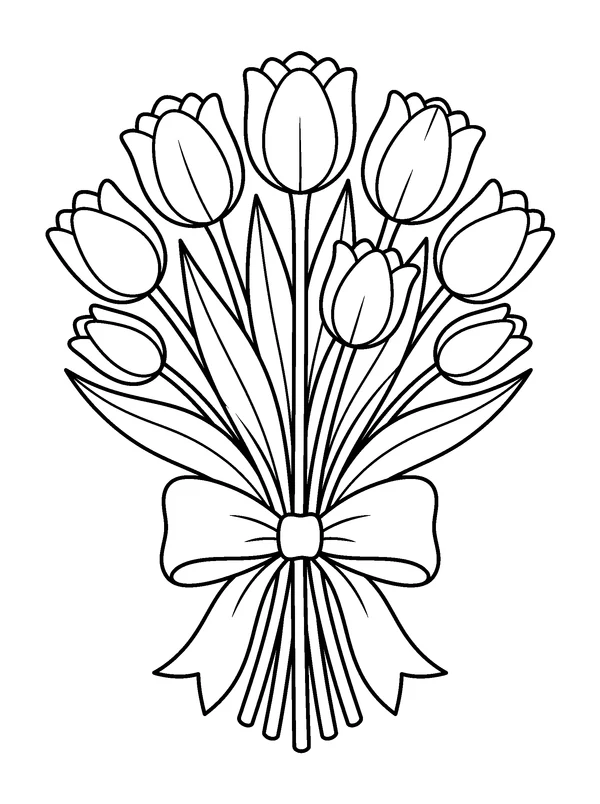
Tulip bouquet
Broad petals and a ribbon make an approachable first page. Try one color family for the flowers and leave the background white.
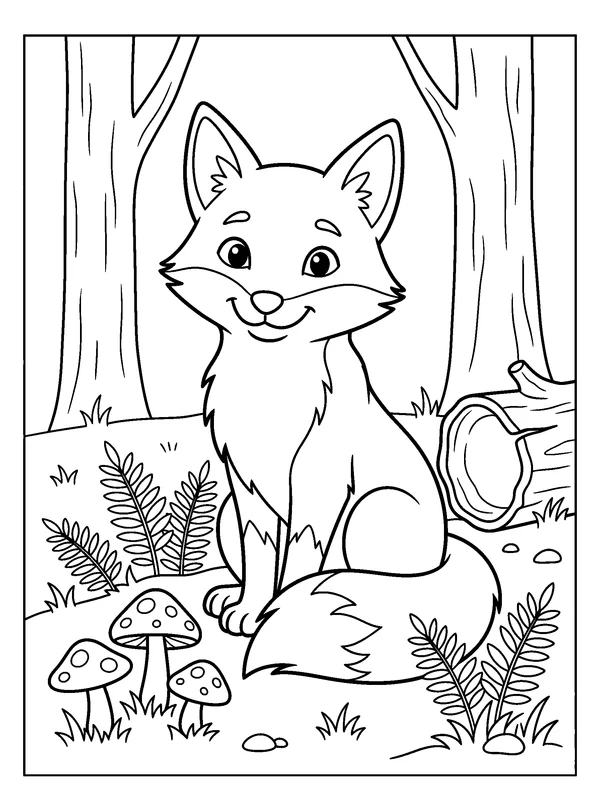
Woodland fox
Start with the fox as one main shape. Mushrooms and leaves can be an optional second round rather than a requirement to fill every space.
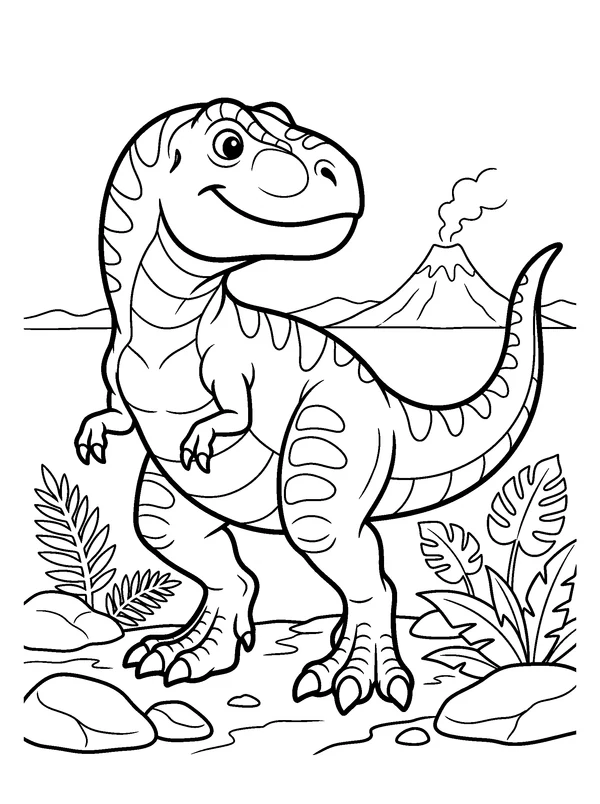
Friendly T. rex
A recognizable dinosaur gives you a clear central subject. Use a different color for the nearby plants to keep the body easy to see.
Put it into practice
Choose the spaces, not just the subject
A cute picture can still be crowded. Judge the smallest area you actually intend to color, especially around eyes, toes, leaves and patterned clothing. An easy design for a fine pencil may feel much harder with a broad crayon.
- Open the full-page view and find three large areas you would enjoy filling.
- Choose a clear main outline with fewer overlapping objects.
- Leave tiny decorative spaces untouched, or choose another sheet if they dominate the picture.
Set up one small coloring session
Place one sheet on a flat surface and offer a small selection of colors. A limited choice makes it easier to begin and keeps the table manageable. Keep another sheet underneath if you are using markers, and use paper compatible with your printer.
- Try a broad crayon for large body shapes and a pencil for a small accent.
- Use a scrap of the same paper to try the colors before filling the picture.
- Stop after the main subject if that is a satisfying finished result.
Use three colors as a starting point
Pick a main color, a contrasting accent and one color for nearby objects. For the fox, that might mean orange fur, blue mushrooms and green leaves. Added details belong in blank spaces or on a separate sheet.
- Color the largest shape first so the picture has an early point of focus.
- Repeat the accent in one or two separate places to connect the design.
- Keep white areas on purpose; a completed page does not need full coverage.
Download the artwork you previewed
Each example opens its matching sheet page with the full image and prepared files. Choose the PDF for a ready-arranged printed page, or the PNG if you want to place the picture in your own document. Check the print preview once before making extra copies.
- Use the original download rather than a screenshot of the small preview.
- Check that the complete outline remains inside the paper margins.
- For a different idea, use the coloring studio separately and review its generated draft.
Questions about this activity
What makes a coloring page easy?
Large unfilled areas, a clear main subject and fewer overlapping details make a practical starting point. Difficulty also depends on the coloring tool and the person using it.
Are easy coloring pages only for children?
No. Simple pictures can suit adults, a short creative break or anyone who prefers broad shapes. Choose the subject and level of detail you enjoy.
Can I download these examples without generating an image?
Yes. Each linked sheet has an existing PDF and PNG. The separate AI studio uses account credits when you create a new image.
Should every space be filled?
That is a creative choice. Color only the main subject, use a small palette, or leave the background white. There is no required finished appearance.