

For a shared table · Flexible, playful prompts
Preschool coloring activities that leave space to explore
Build a small activity around something a child already likes: a flower, an animal or the first letter of a familiar name. Offer a page and a few colors, then let the child choose how to use them. Scribbling, talking about the picture and leaving it unfinished are all possible ways to take part.
Browse free printable sheets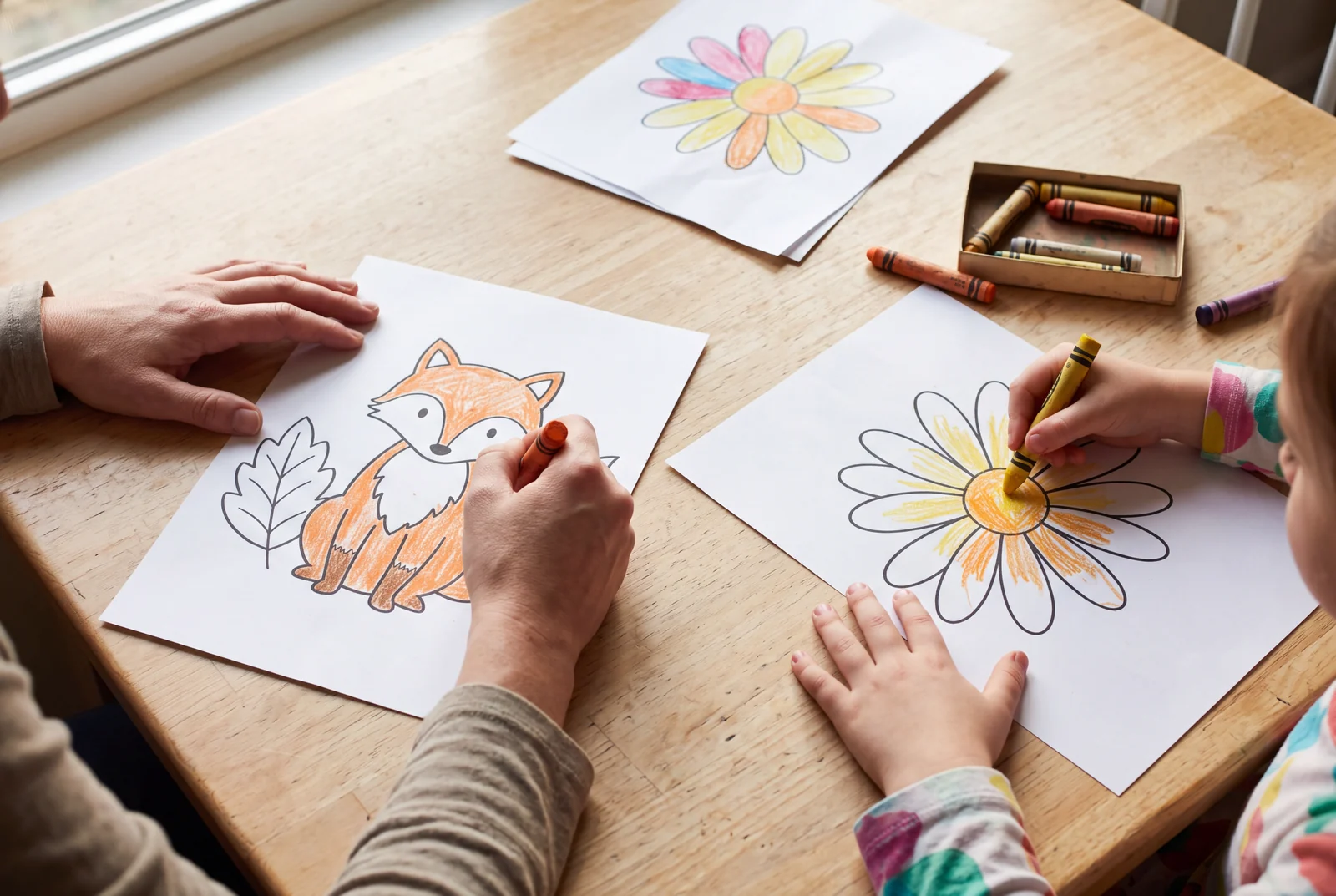
A useful place to start
Choose broad shapes and a familiar subject, prepare one printed page, and offer a simple optional prompt. Follow the child’s interest rather than requiring neatness or a completed sheet. Suggested age labels describe the catalog; they are not an assessment of readiness.
Start with a real printable
These existing sheets have matching full-page previews and prepared downloads.
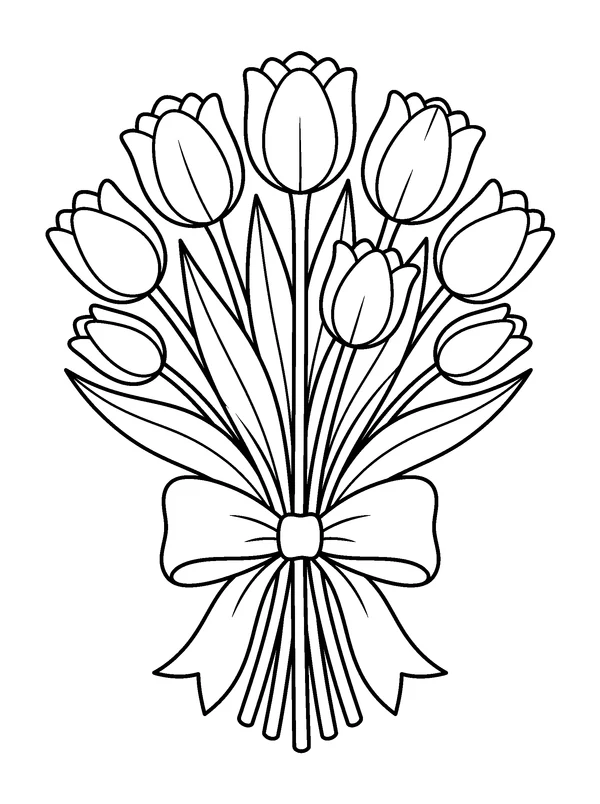
A flower to explore
Color one petal, compare two favorite crayons or give each flower a different color. Filling the whole bouquet is optional.
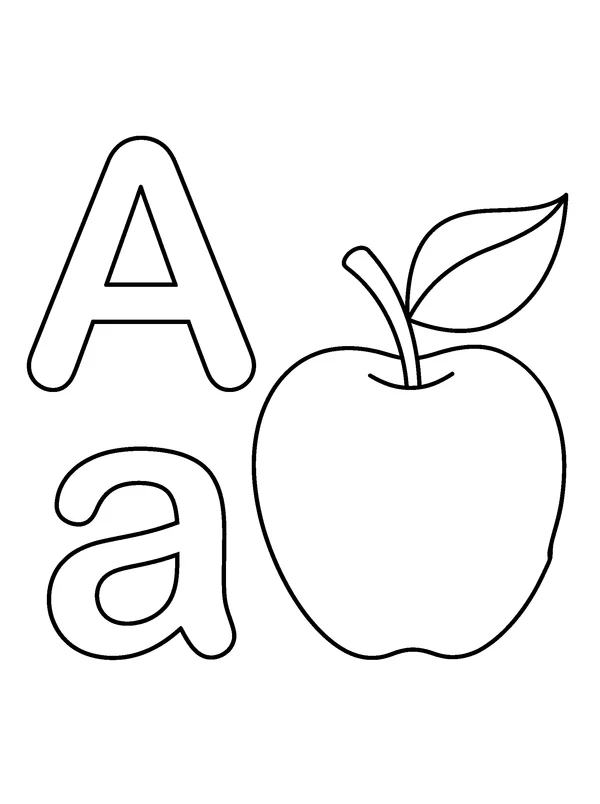
Letter A and an apple
The printed letter pair is an English alphabet example. Name the picture or talk about a familiar letter; use a different activity for another writing system.
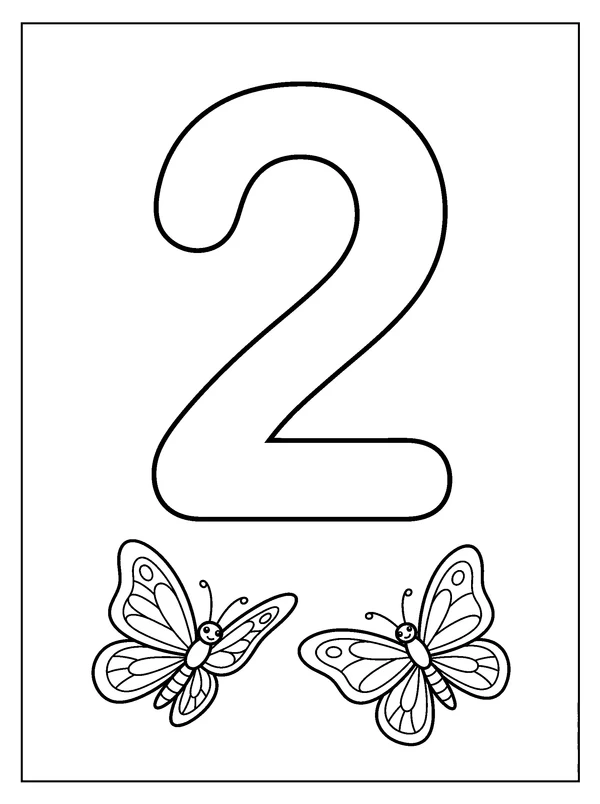
A large numeral 2
Explore the shape of the hollow numeral. The nearby decoration is a separate picture and is not a set of two counting objects.
Put it into practice
Begin with a choice the child can make
Offer two different sheets rather than a large stack. You might ask whether a flower or an animal looks interesting, then leave the selected page within easy reach. Use coloring materials appropriate for the child and follow their product instructions.
- Point out the largest open space as one possible place to begin.
- Offer a few colors without prescribing which one belongs to the subject.
- Keep spare blank paper available for marks outside the printed picture.
Turn the picture into a conversation
Use questions that allow many answers. “What could this flower smell like?” invites a story; “Which color is correct?” sets a different task. A child may prefer to describe the picture while an adult colors beside them.
- Name visible objects without treating the conversation as a quiz.
- Invite an invented name or a short story about the subject.
- Let the child switch between drawing, coloring and talking.
Keep letters and numbers accurate
The letter sheet pairs an English uppercase and lowercase letter with a picture. The numeral sheet is designed for recognizing its written shape. Neither page alone demonstrates reading or counting ability, and decorative objects should not be used as an answer key.
- Check the visible letter or numeral before introducing it.
- Use separate familiar objects if you choose to make a counting activity.
- Explain the language of alphabet examples when using a translated guide.
Make stopping and sharing easy
Offer a clear place to put a finished or paused page. Ask whether the child wants to keep it on the table, add it to a folder or show it to someone. Avoid comparing how much different children have colored.
- Notice a chosen color or an invented detail rather than grading precision.
- Let a child return later to a page or choose a fresh blank sheet.
- Print the prepared PDF for a later session instead of making a generation request.
Questions about this activity
Which age are these activities for?
Use the child’s interests and comfort with the materials to decide. Catalog age suggestions are broad guides, not developmental requirements or a reason to exclude someone.
Should a preschool child stay inside the lines?
You can treat the outline as an invitation. There is no requirement to stay inside it, use realistic colors or finish the picture.
Do the letter sheets change language with this guide?
No. These linked printable examples keep their original artwork, including English letters. The guide text may be translated, but the downloaded sheet is unchanged.
Can I use the number picture to teach counting?
Use it to discuss the numeral’s shape. Its separate illustration does not guarantee a matching object count. Count a separate set of real objects if you add that task.