

Choose a theme · Prepare a set · Make space for different approaches
Classroom coloring activities with a clear plan
A useful classroom coloring activity starts with a small decision: will the pictures introduce a conversation, accompany a story or become a shared display? Choose a few related sheets, prepare the materials and give students a clear invitation with more than one way to participate.
Browse free printable sheets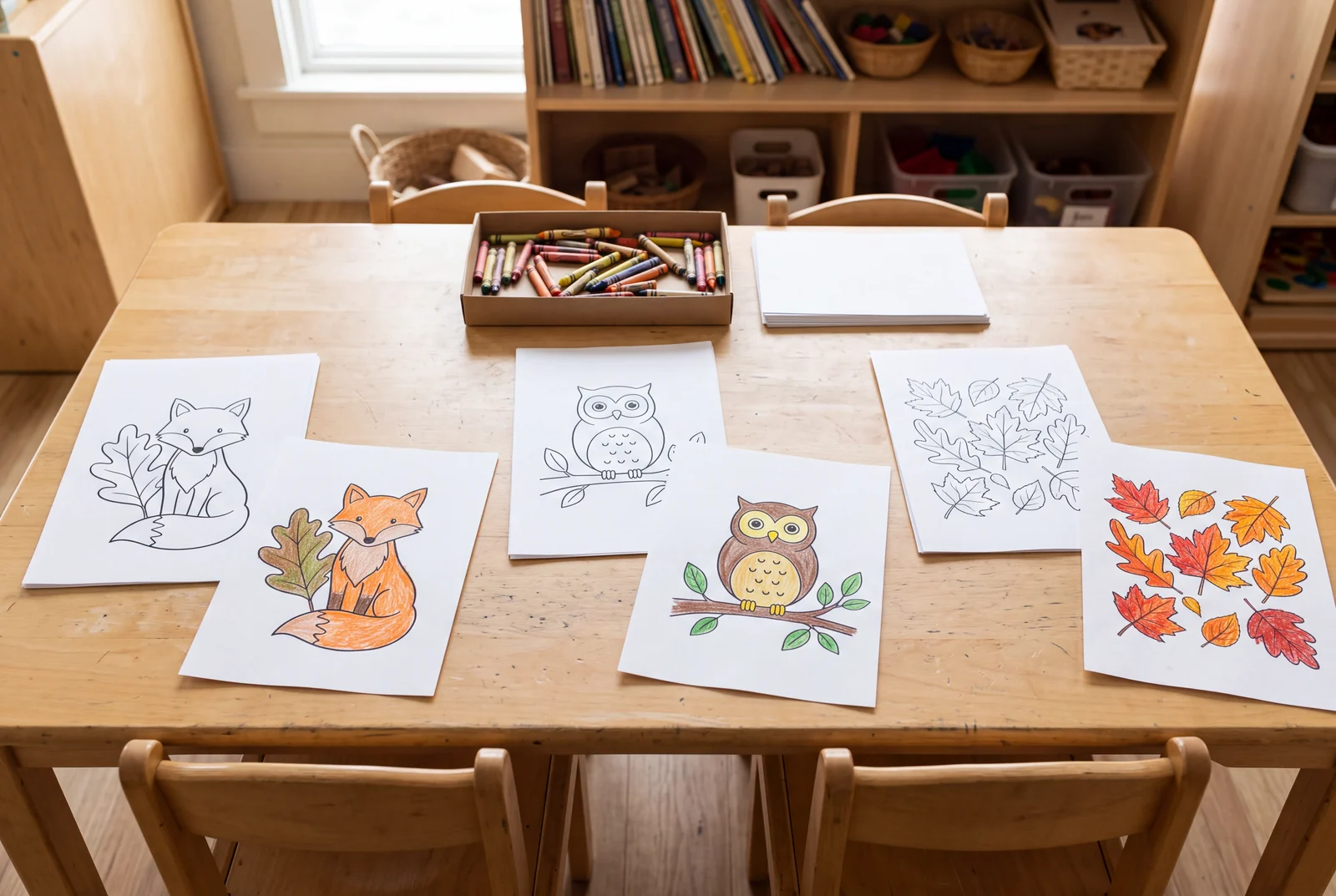
A useful place to start
Choose a purpose, offer two or three related pictures, print one sample, and prepare materials before making the full set. Keep coloring choices flexible and check letter, number and factual details yourself when connecting a sheet to a lesson.
Start with a real printable
These existing sheets have matching full-page previews and prepared downloads.
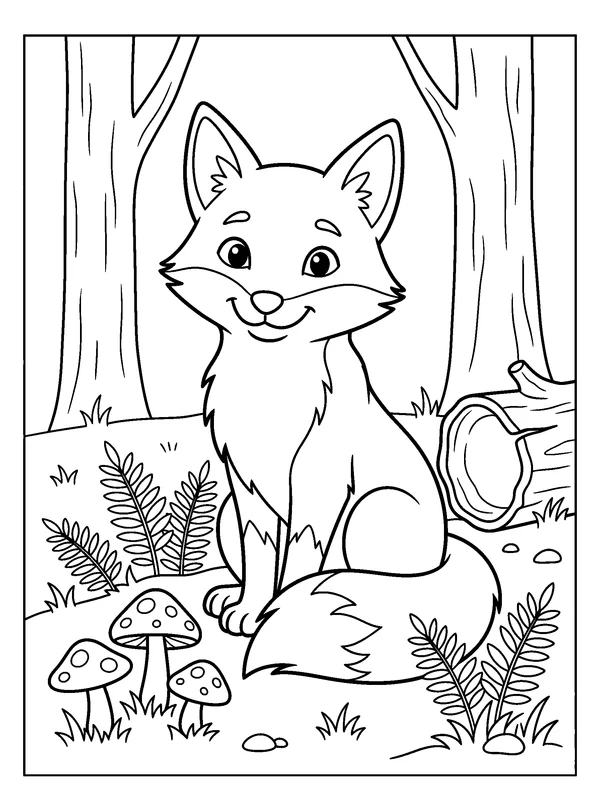
Woodland fox
Use this as one part of a woodland story display. Students can invent a setting or describe what the fox might notice.
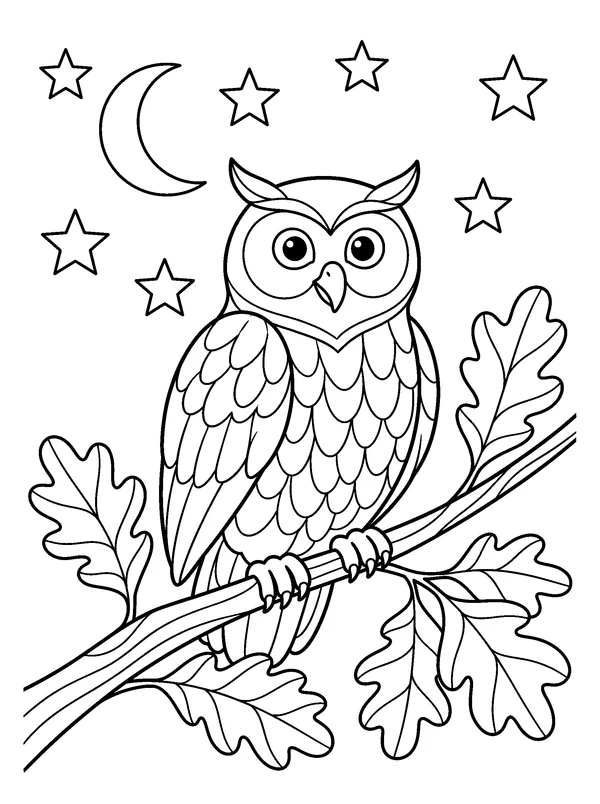
Forest owl
Pair with the fox to discuss two different pictures. Treat the illustration as a creative scene rather than a scientific diagram.
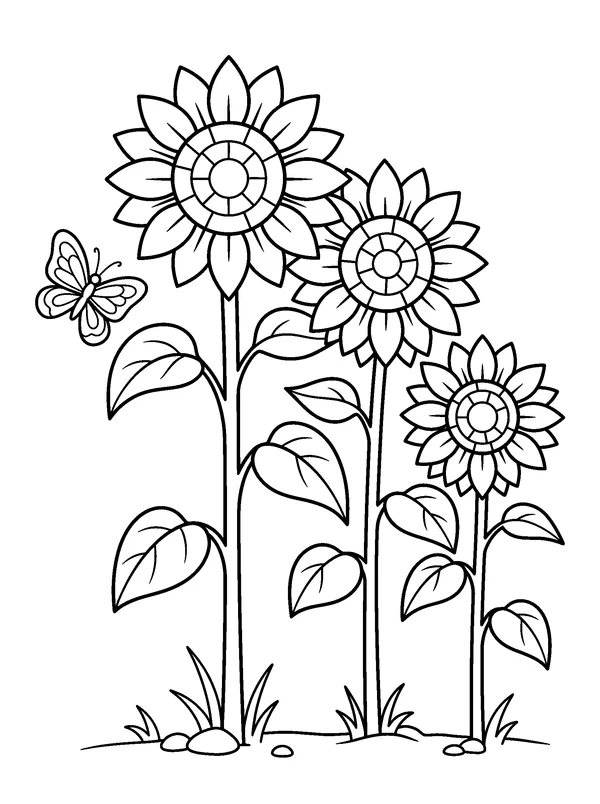
Sunflower garden
Try a shared palette or let each student choose one. Place finished pages together to compare artistic decisions without ranking neatness.
Put it into practice
Choose the activity before choosing every sheet
Write one plain sentence describing what students will do with the page. For example: choose a woodland picture, color any area you like, then tell or write one sentence about the scene. A clear purpose helps you decide how much paper and explanation are needed.
- Offer a few related subjects rather than assigning identical results.
- Keep a blank-paper alternative for students who prefer to draw.
- Explain whether the activity is individual, paired or part of a shared display.
Prepare a small, predictable materials setup
Group the printed sheets by subject and put coloring tools within reach. Make a sample print to check that small shapes remain visible. Choose supplies according to your setting and the students using them, following the product instructions.
- Check how many copies are actually needed before sending the print job.
- Keep a spare copy and blank paper available for changes of mind.
- Use trays or small shared sets so choosing a color does not interrupt others.
Separate creative interpretation from factual questions
An imaginative animal scene can support a story prompt, but it is not a field-identification chart. If you use letters, numbers or a science theme, inspect the visible content and prepare any factual explanation separately. Decorative objects may not match a numeral.
- Check English alphabet examples before using them in another language lesson.
- Use a separate set of objects for a counting task.
- Invite students to explain invented details without presenting them as facts.
Share choices without requiring matching results
Display pages with room around them, or invite students to describe a color they chose. Ask before attaching names or publishing a classroom photograph. Keep unfinished pages available to take home or revisit rather than treating a filled sheet as the only successful result.
- Allow drawing, describing or paired participation alongside coloring.
- Compare choices in subject, palette and composition without ranking students.
- Check the source terms before redistributing files beyond the activity.
Questions about this activity
Can I use the library sheets in a classroom activity?
The printable library describes home and classroom coloring use. Check the applicable site terms for your intended sharing or publication, especially when distributing files outside the activity.
How many different designs should I offer?
A small choice of two or three related pictures is a practical starting point. Adjust the set to your group and activity; this is a planning suggestion, not a tested class-size rule.
Do these pages meet a curriculum standard?
This guide does not claim alignment or measured learning outcomes. A teacher should select and verify any curriculum connection for their own lesson.
What if a student does not want to color?
Offer a blank-paper drawing, a spoken description or another participation choice appropriate to your lesson. A finished coloring sheet need not be the only outcome.