
當主角在每一頁看起來都不一樣時,一部漫畫很快就會失去完整性。
讀者可以原諒簡單的背景或粗糙的初稿,但通常不會原諒一位主角的臉、髮型、服裝、年齡或個性在每個分鏡之間漂移。角色一致性,正是把一個好的漫畫點子變成可閱讀敘事序列的關鍵。
本指南會把來自 How to Start a Comic Story 的故事種子,轉化為一個實用成果:
一份包含外觀、個性、視覺錨點與一致性規則的角色設定表。
這份設定表會成為世界觀建構、分鏡腳本與最終漫畫頁面的參考依據。
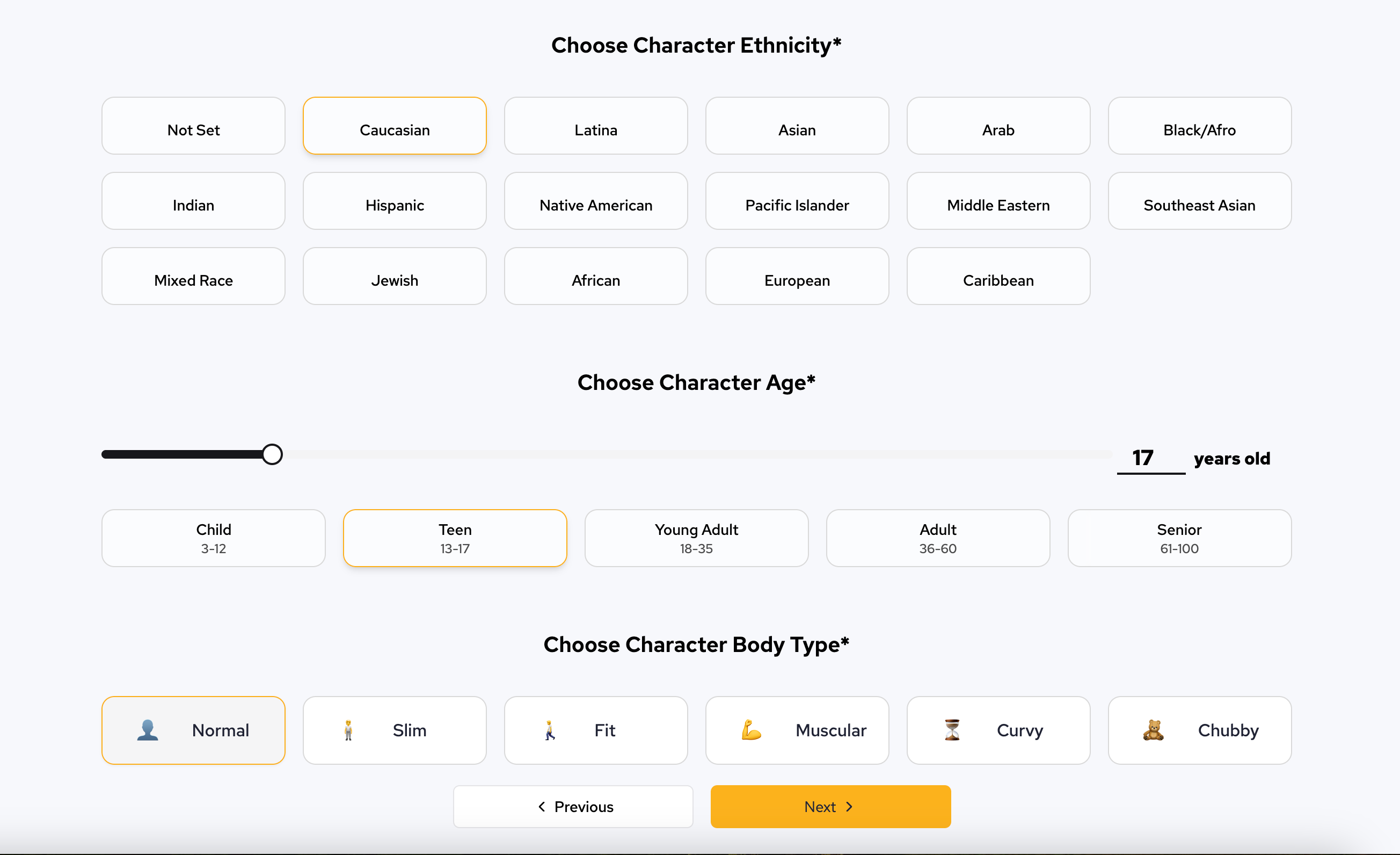
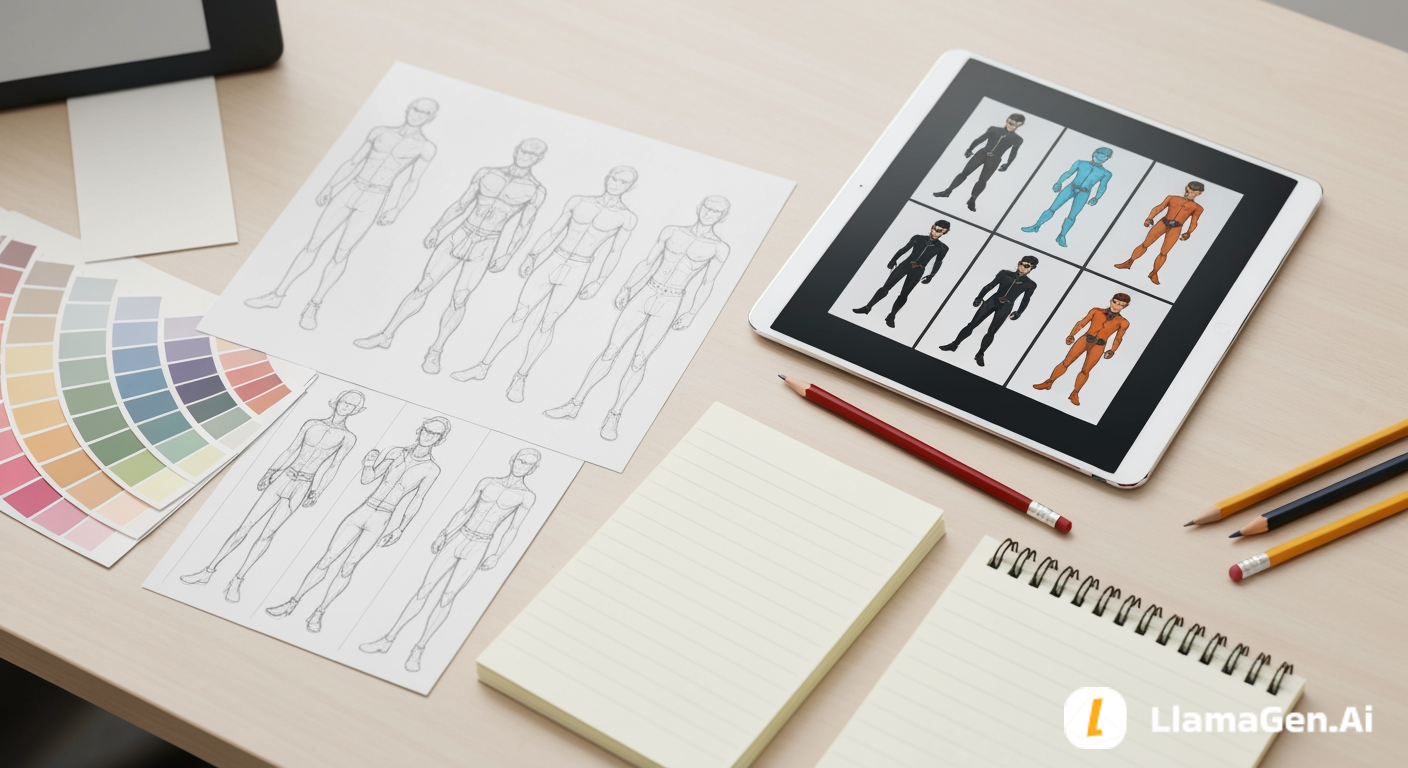
漫畫角色設定表不只是一張肖像圖,它是一份可在多個頁面與章節中重複使用的製作參考。
在這個流程中,你的角色設定表應包含:
以下是一個簡單的目標格式:
Name:
Story role:
Want:
Pressure:
Face:
Hair:
Outfit:
Palette:
Silhouette:
Personality in action:
Recurring prop:
Never change:
Can change:
範例:
Name: Leo
Story role: nervous apprentice repair kid
Want: prove he can fix something valuable
Pressure: every machine he touches breaks in a new way
Face: slim face, curious eyes, small bandage on left cheek
Hair: messy black hair with a copper hair clip
Outfit: oversized tan utility jacket, dark green shirt, patched work pants
Palette: tan, dark green, copper, dusty gray
Silhouette: small frame, large jacket pockets, tool strap
Personality in action: careful with objects, blurts out ideas when scared
Recurring prop: dented screwdriver
Never change: bandage, copper clip, utility jacket, screwdriver
Can change: dust, small stains, sleeve position, expression
這樣就足以開始生成並重複使用一個角色。
如果你先生成分鏡,模型就必須一再重新發明這個角色,這通常會造成漂移。
故事可以只寫:
Leo opens the crate.
但漫畫頁面仍然需要回答這些問題:
角色創建就是先把這些問題回答一次,之後讓每個分鏡都從同一個角色身份出發。
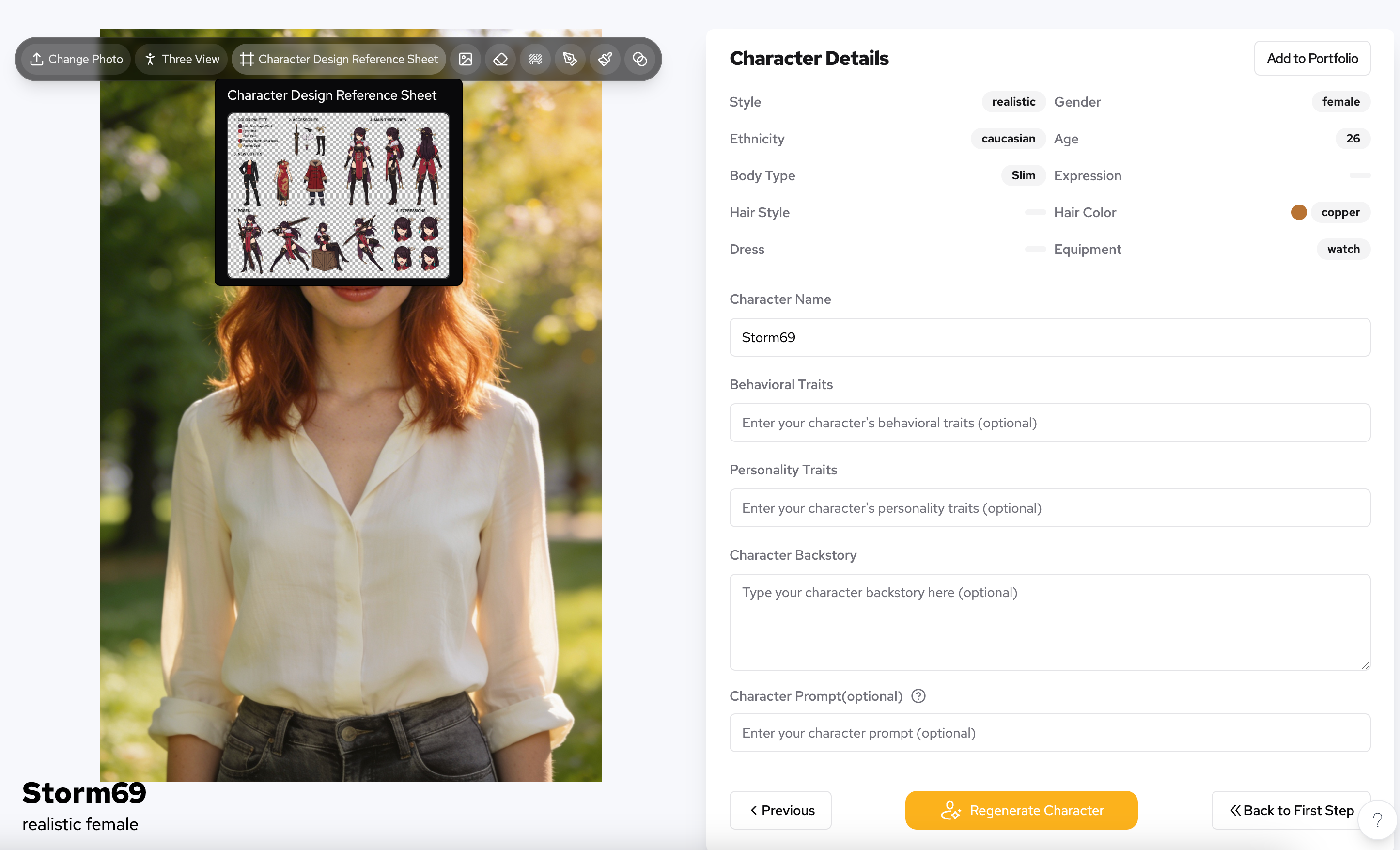
不要把角色設計成與故事脫節的存在,要從故事中拉出設計。
來自 Day 1:
In a floating junk market above the city, Leo, a nervous apprentice repair kid, wants to prove he can fix something valuable, but every machine he touches breaks in a new way. When he opens a dented delivery crate and finds a tiny robot repeating his missing sister's voice, he must decide whether to hide it from the market guards or follow the robot's map, which points to a place that officially does not exist.
這段已經提供了很強的設計輸入:
| 故事細節 | 角色決策 |
|---|---|
| 緊張的修理學徒小孩 | 瘦小身形、謹慎姿態、工具背帶 |
| 他一碰機器就會以新的方式壞掉 | 小心的手勢、焦慮的表情 |
| 漂浮的廢品市場 | 打補丁的衣物、實用口袋 |
| 失蹤的姊姊 | 情感上的柔軟感、保留家庭信物 |
| 小機器人與木箱 | 可重複出現的螺絲起子或修理標籤 |
目標不是替角色做裝飾,而是讓設計支撐故事。
強而有力的漫畫角色,是圍繞角色功能建立的,而不只是外觀風格。
常見的角色類型包括:
接著定義故事功能:
This character exists to [create pressure / solve problems / reveal the world / challenge the hero / make the theme visible].
範例:
Leo exists to make the fear of failure visible. His repair skills should look real, but his body language should show that he expects things to go wrong.
這一句話能幫助之後所有設計選擇。
視覺錨點是能讓讀者瞬間認出角色的細節。
好的錨點包括:
不要選十個錨點,只選三個。細節太多,反而會讓角色更難在不同分鏡中穩定重現。
對 Leo 來說:
1. Copper hair clip
2. Oversized tan utility jacket
3. Dented screwdriver
這三個元素應該在每一個分鏡、角度、姿勢與表情中都保留下來。
這是最重要的一致性步驟。
固定規則不應改變:
彈性細節可以改變:
如果一切都固定,角色會顯得僵硬;如果一切都可變,角色就會漂移。一份實用的設定表必須同時定義這兩者。
Never change: short messy black hair, copper clip, tan utility jacket, left cheek bandage, dented screwdriver.
Can change: sleeve position, dust level, expression, pose, lighting, camera angle.
個性不應停留在抽象形容詞的層次。
較弱的寫法:
Leo is nervous but brave.
更強的寫法:
Leo checks every screw twice before acting, talks too fast when cornered, and steps between danger and broken machines even when his hands shake.
把個性轉化成可見行為:
| 特質 | 可見行為 |
|---|---|
| 緊張 | 肩膀緊繃、工具檢查兩次 |
| 好奇 | 身體傾向奇怪的物件 |
| 勇敢 | 害怕時仍然向前 |
| 防備 | 一隻手總靠近道具 |
| 善良 | 沒被要求也會修好小東西 |
這會讓你的提示詞更好用,分鏡也更清楚。
LlamaGen.AI 很適合這個階段,因為角色創建會直接餵給後續的漫畫製作:頁面、分鏡、分鏡板、表情,以及可重複使用的角色參考。
使用 LlamaGen.AI 來建立:
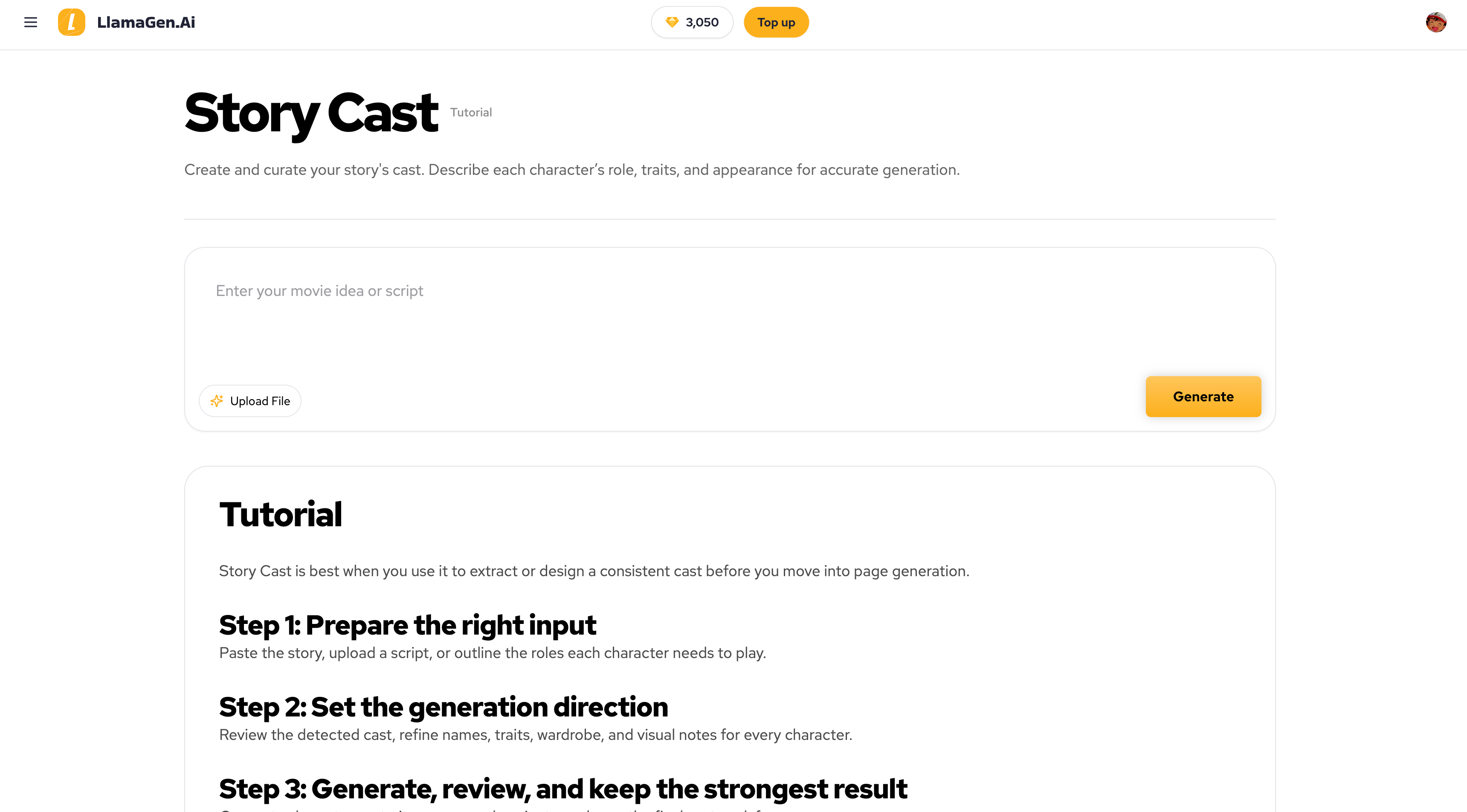
先從一個聚焦的提示詞開始:
Create a comic character sheet for this character:
[paste character sheet]

Style: clean cinematic manga, readable silhouette, consistent face.
Output: front view, side view, expression samples, key prop.
Important: preserve the fixed rules exactly.
生成之後,先將結果與你的設定表比對,再拿去放入頁面中使用。如果其中一個錨點消失了,或服裝變化太大,就修改提示詞,或收緊固定規則。
用這些提示詞,把故事種子轉成可重複使用的角色設計。
Create a comic character sheet from this story seed:
[paste story seed]

Output:
- name
- story role
- want
- pressure
- face details
- hair details
- outfit
- color palette
- silhouette
- personality shown through behavior
- recurring prop
- never-change rules
- flexible details
Keep it practical for generating consistent comic panels.
Design 3 strong visual anchors for this comic character:
[paste character notes]

Rules:
- each anchor must be easy to recognize in a small panel
- avoid overcomplicated costume details
- include one silhouette anchor, one color/detail anchor, and one prop anchor
Convert these personality traits into visible comic behavior:
[paste traits]

Output a table:
Trait | Body language | Facial expression | Repeated action | Panel idea
Avoid abstract adjectives unless they are tied to visible action.
Turn this character sheet into a concise image generation prompt for a reusable comic character reference:
[paste character sheet]

Include:
- age range
- face
- hair
- outfit
- palette
- silhouette
- key prop
- expression range
- fixed rules
Do not include story spoilers.
Review this character sheet for consistency risks:
[paste character sheet]

Find:
- details that are too vague
- details that are too complex
- missing visual anchors
- conflicts between outfit, story role, and personality
- rules that should be fixed before generating panels
Return a revised version.
以下是一份完成版的 Leo 角色設定表:
Name: Leo
Story role: protagonist
Story function: makes fear of failure visible while leading the reader into the floating junk market
Want: prove he can repair something important
Pressure: every machine he touches breaks in a new way
Face: slim face, curious eyes, small bandage on left cheek
Hair: messy black hair, copper hair clip on right side
Outfit: oversized tan utility jacket, dark green shirt, patched work pants, worn boots
Palette: tan, dark green, copper, dusty gray
Silhouette: small frame, large pockets, tool strap crossing chest
Personality in action: checks tools twice, leans toward mysteries, talks fast when scared
Recurring prop: dented screwdriver
Expression range: anxious focus, startled curiosity, guilty smile, determined fear
Never change: bandage, copper clip, tan jacket, screwdriver, small frame
Can change: dust, sleeve position, pose, expression, lighting
現在 Leo 就能一致地用於:
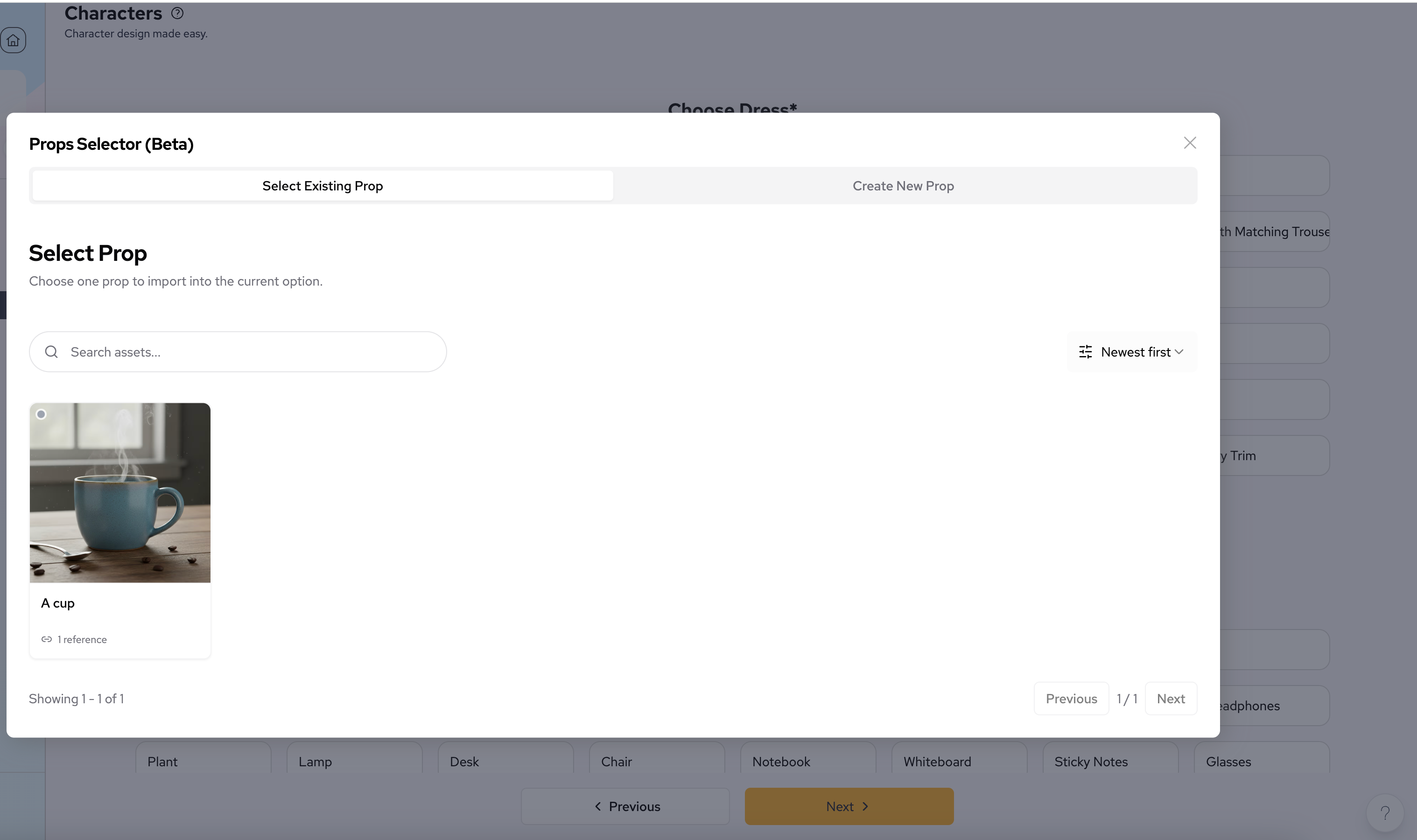
在進入世界觀建構之前,請檢查你的角色設定表:
本系列的下一篇文章是 World Building。那份指南會把你的故事與角色設定表,轉化成三個可重複使用的場景與一份視覺風格定義。
從 Day 1 開始:How to Start a Comic Story
當你準備好為你的漫畫建立一個可重複使用的角色時,從這裡開始:
热门创作工具
从漫画、分镜到照片风格化,用 LlamaGen 更快完成视觉创作。
Turn an idea into polished comic strips in minutes.
Create comics with AI02Create expressive manga art and multi-panel stories.
Create manga with AI03Visualize every scene before production starts.
Create storyboards with AI04Transform any photo into a comic-style illustration.
Create comics from pictures with AI05Build shareable strips with characters that stay consistent.
Create comic strips with AI彙整最新的 LlamaGen 功能發布、產品強化、設計更新與重要錯誤修正。
© 2026 LlamaGen.Ai 版權所有
引領 AI 漫畫生成的未來