Beat-to-shot mapping
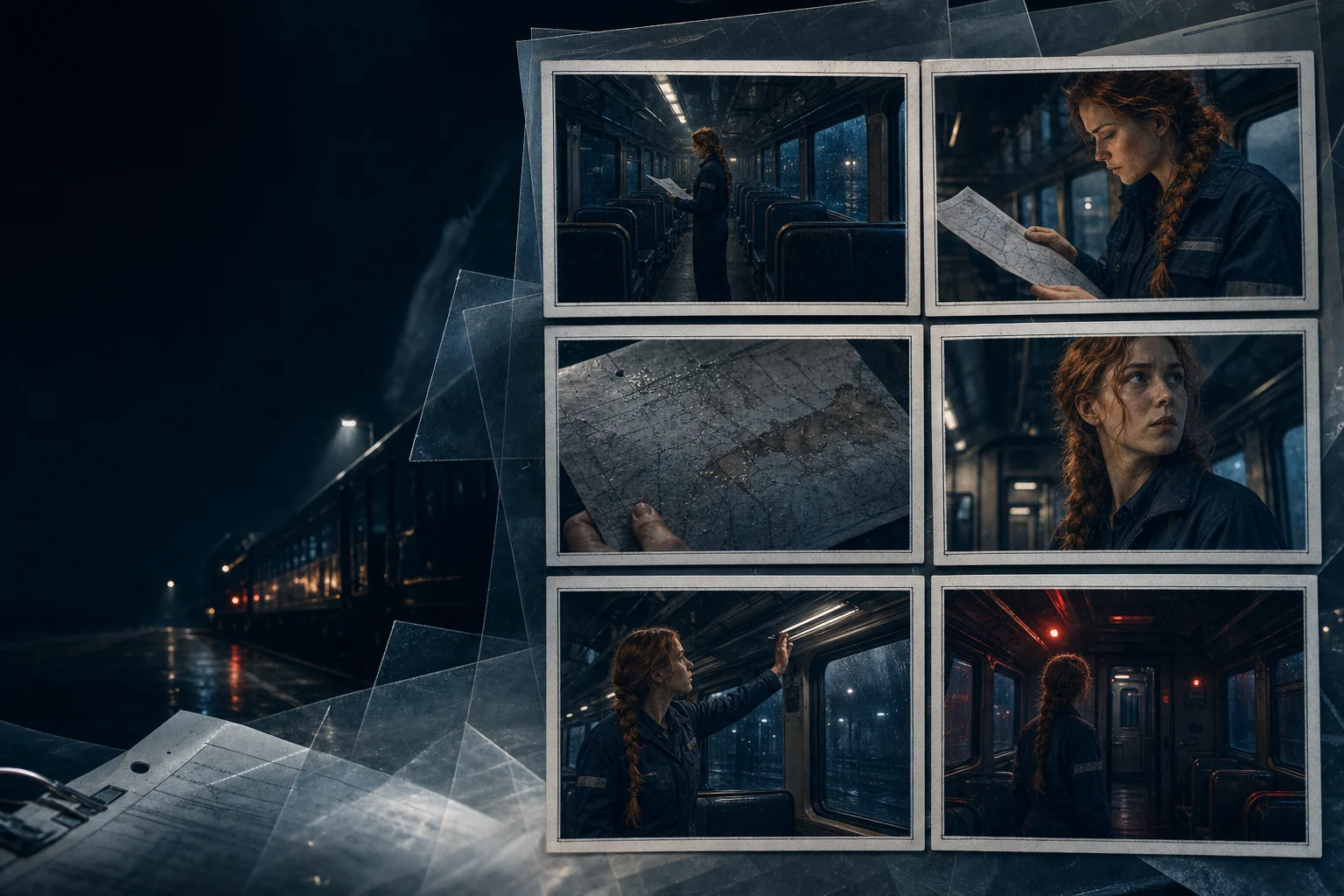
Connect action and dialogue beats to establishing shots, coverage, inserts, reactions, and transitions with an explicit narrative purpose.


Turn one approved screenplay scene into a reviewable coverage plan: map story beats to shot purpose, framing, screen direction, continuity risks, and an intentional shot order. This workspace is for pre-production decisions, not one-click storyboard generation.
Opens the LlamaGen storyboard project workspace.
Northline / visual direction
One story world, carried from screenplay to production.
Design the coverage
Translate dramatic beats into coverage choices, then review eyelines, screen direction, performance emphasis, and continuity as one sequence. The output is a production brief that can guide any storyboard generator or artist.
Connect action and dialogue beats to establishing shots, coverage, inserts, reactions, and transitions with an explicit narrative purpose.
Compare master, single, insert, reaction, and transition coverage before committing to shot size, movement, or lens feeling.
Flag eyelines, screen direction, props, wardrobe, light, and blocking that must remain coherent when the camera changes.

Worked example · Decision-first planning
Ask for alternate coverage and continuity checks while the director still decides blocking, emphasis, rhythm, and what the audience should feel. The deliverable is a concise visual brief, not a batch of unexplained images.
The workflow
Move from dramatic intent to a defensible shot order, then hand the approved plan to visual generation or an artist.
Start with who wants what, what changes, and which visual information the audience must receive.
Assign each beat a shot purpose, coverage type, framing, subject, action, and continuity note.
Check the whole sequence for missing information, redundant coverage, axis breaks, and continuity risks before frame generation.
Explore the connected workflow
Characters, casting, and relationships
Turn names in a script into useful character direction: motivation, relationships, casting intent, visual anchors, and consistent references for every storyboard scene.
Scenes, beats, props, and locations
Organize the pieces that make a scene playable and visual: dramatic beats, recurring locations, hero props, character presence, and the continuity notes that connect one moment to the next.
AI production assets
Generate character portraits, location studies, prop designs, scene stills, and storyboard frames from the context already present in your story, then keep the useful results organized for the next creative decision.
FAQ
Its primary job is planning. It produces a scene coverage brief and shot order that you can hand to LlamaGen's visual generator, a storyboard artist, or a production team after the decisions are approved.
Include the dramatic beat, shot purpose, coverage type, subject, action, framing, screen direction, eyeline, movement, and the continuity details that neighboring shots must preserve.
A generator focuses on producing frames. This planner focuses on deciding which shots are needed, why they are needed, and how coverage and continuity should work before image generation begins.
Write or import a scene, shape its structure, and turn the screenplay into a storyboard you can refine, share, present, and export.